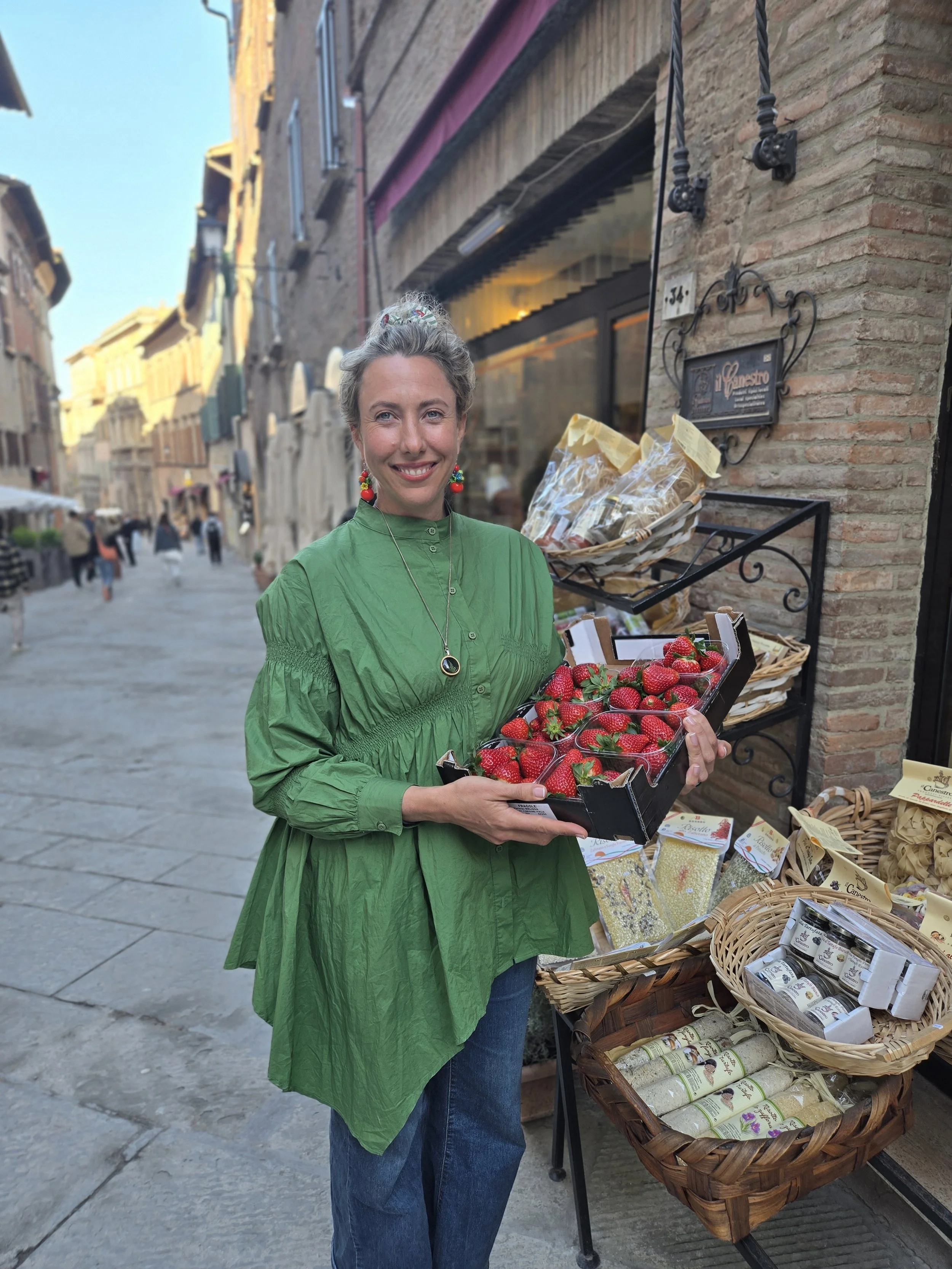
Standing here on a small farm in Italy, I’m reminded how much wisdom lives quietly in places like this.

Farmers carry deep knowledge of soil, seasons, weather, seeds and local food cultures. They are caring for landscapes and feeding communities every day, often with very little recognition. I believe we need to listen to these voices more closely.

At the same time, there is a gentle truth that deserves our attention: much of the public resource dedicated to food systems still flows toward documents, strategies and consultation processes, while the living work of farmers and local food economies receives far less support.

What if we began to rebalance this?

What if more of our attention, research and investment flowed directly toward the people and places where food systems are actually lived and cultivated?

When we honour farmers, communities and regional food cultures, we begin to see that the knowledge needed for resilient food systems already exists. Our task is simply to recognise it, learn from it and allow it to inform how policy evolves.

This is the spirit behind Activating Local Food Systems - learning with life, and allowing real practice to guide the future of food policy.

#foodpolicy

#localfoodsystems

#regenerativeagriculture

#foundationaleconomics

#smallfarmers

#communityfood
How Communities Can Activate Local Food Systems A Free Online Seminar from Living Earth College

A Free Online Seminar from Living Earth College

Across many regions of the world people sense that something in our food systems is not working as it should.

Farmers are working harder for smaller margins. Communities often feel disconnected from the land that feeds them. Infrastructure designed for large-scale systems can make it difficult for smaller producers to reach local markets. At the same time many people are searching for practical ways to strengthen food security, regional economies and community wellbeing.

Yet within these challenges there are also opportunities.

When we begin to look closely at food systems we see that they are not simply supply chains. They are living systems shaped by relationships between soil, farms, infrastructure, community economies and policy.

A personal invitation

Over many years I have worked with farmers, communities, and local governments exploring how stronger local food systems might emerge. Through initiatives such as the Docklands Food Garden, the Huon Valley Food Hub, the Peach & Pear Food Box, and the Shepparton Food Hub, I saw both the potential of community food initiatives and the structural barriers that often prevent them from flourishing.

My doctoral research reflected on these experiences and asked a simple question:

What conditions allow local food systems to truly thrive?

Living Earth College was created to share these insights and support people working to strengthen food systems in their own regions. If you feel called to participate in this work, I warmly invite you to join the first cohort.

Dr Emily Samuels-Ballantyne
Founder, Living Earth College

Strengthening food systems therefore requires more than a single solution. It requires the ability to understand how these elements interact within a particular place.

Over the past decade this work has been explored through the Con Viv approach, a living systems design process developed through practical work across farms, community food initiatives and regional policy.

The approach begins with careful observation of land, soil and local conditions. From there it explores how food systems can be strengthened through community enterprise, regional infrastructure and supportive policy frameworks.

This work has led to the development of Living Earth College, an educational initiative exploring practical pathways for activating local food systems.

To introduce this work, Living Earth College is hosting a free online seminar exploring how communities can begin strengthening food systems within their own regions.

Free Seminar

Activating Local Food Systems

In this session we will explore:

• why many food systems struggle to support both farmers and communities
• how local food networks can strengthen regional economies
• the role of infrastructure such as food hubs and distribution systems
• how community initiatives and policy can work together
• practical examples of food system activation

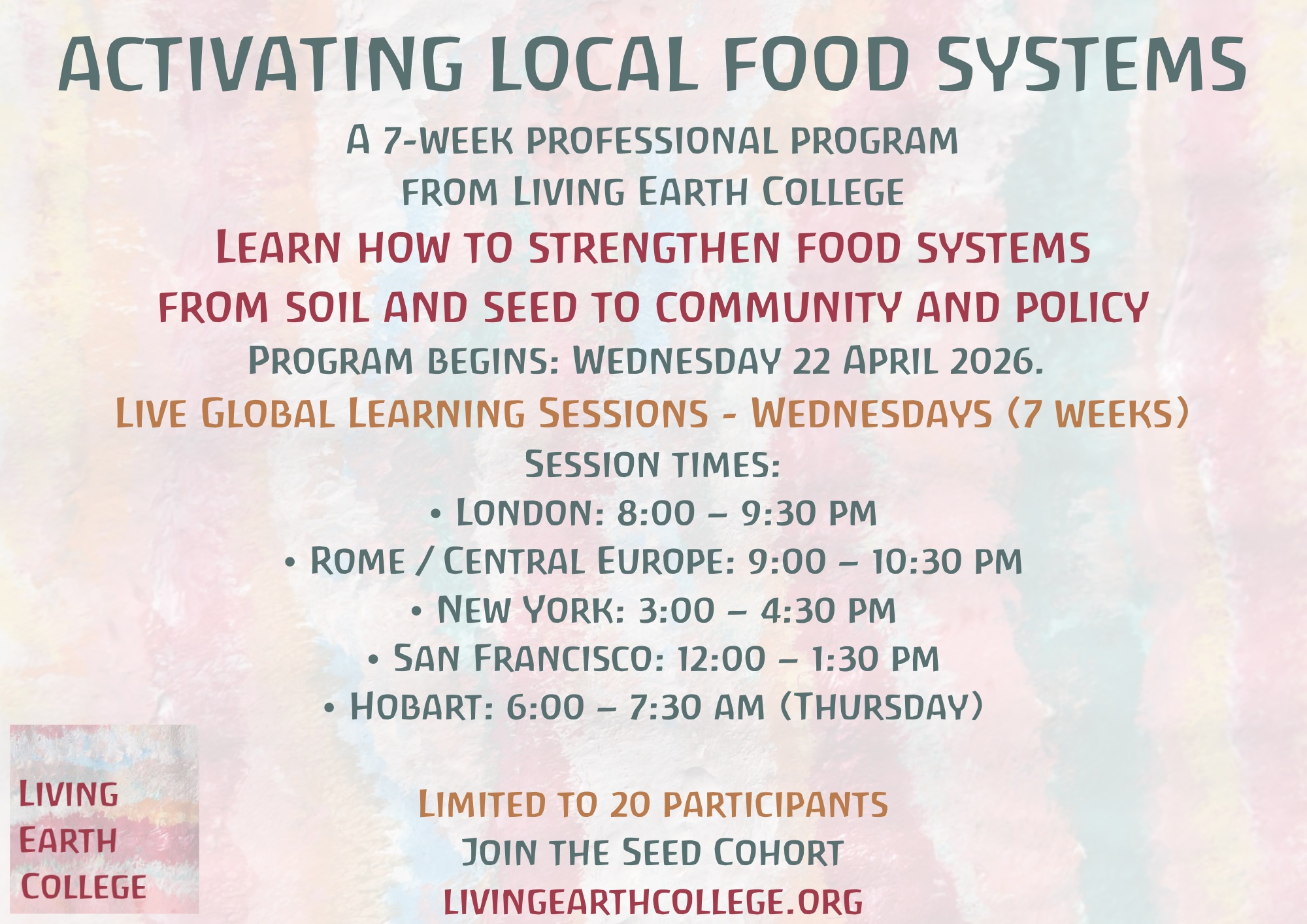
The seminar will also introduce the Activating Local Food Systems program from Living Earth College, a seven-week international course exploring these themes in greater depth.

Who This Seminar Is For

This conversation may be valuable for:

• farmers and land stewards
• community food organisers
• designers and planners
• educators and students
• policy practitioners
• anyone interested in strengthening food systems where they live

Join the Conversation

Strengthening food systems is not only about agriculture. It is about how land, community, economy and governance can work together to support thriving regional life.

If you are interested in exploring how this work might apply in your own region, you are warmly invited to join the seminar.

[Register for the free seminar]

Why We Created the Activating Food Systems Course

The Living Earth College Activating Food Systems course grew from many years of working with farmers, communities, designers and policy makers who all sensed the same problem: modern food systems have become disconnected from soil knowledge, community participation and practical decision making.

Most courses talk about food systems. This one helps you design one. In the Activating Food Systems course you will develop a practical project to strengthen a local food system in your own region.

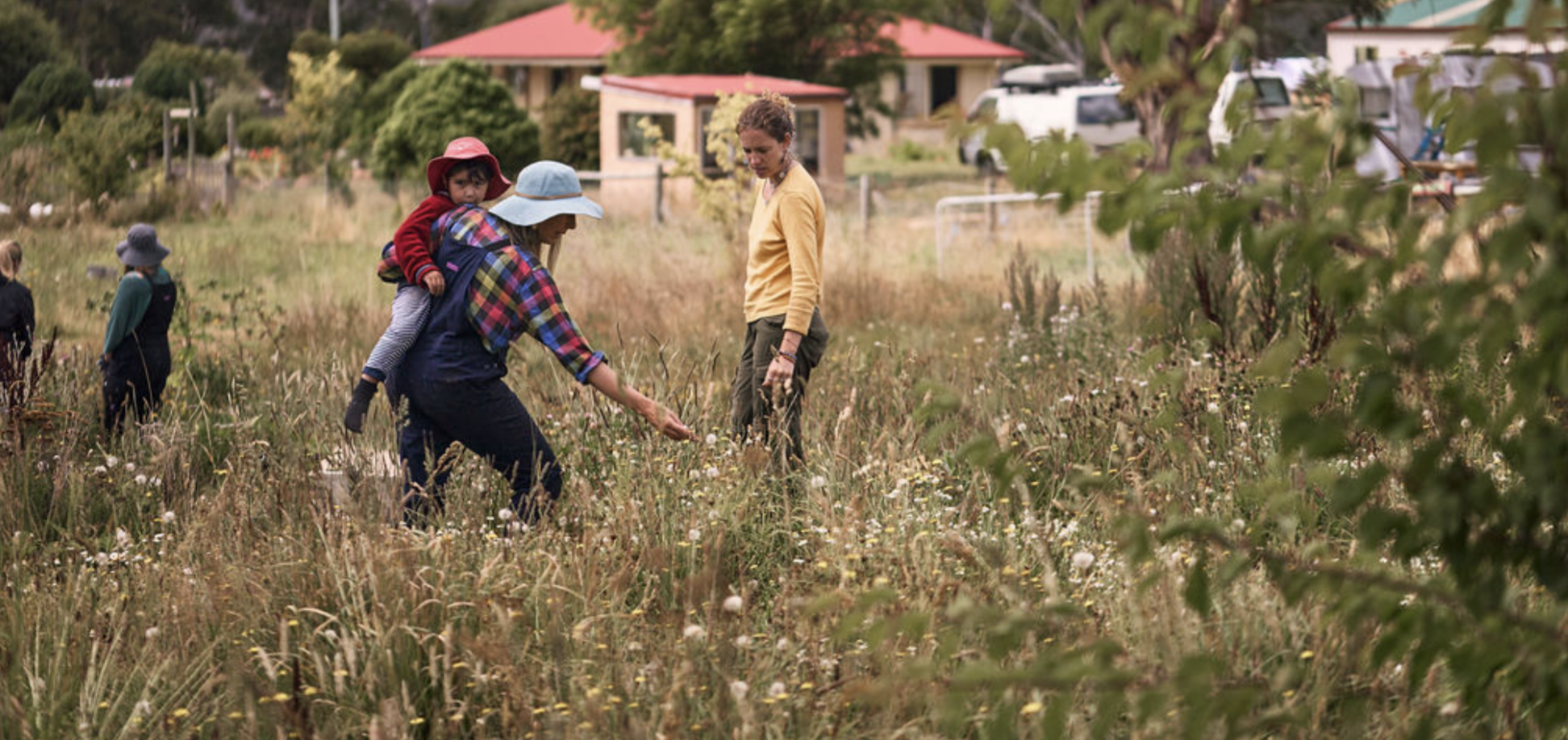
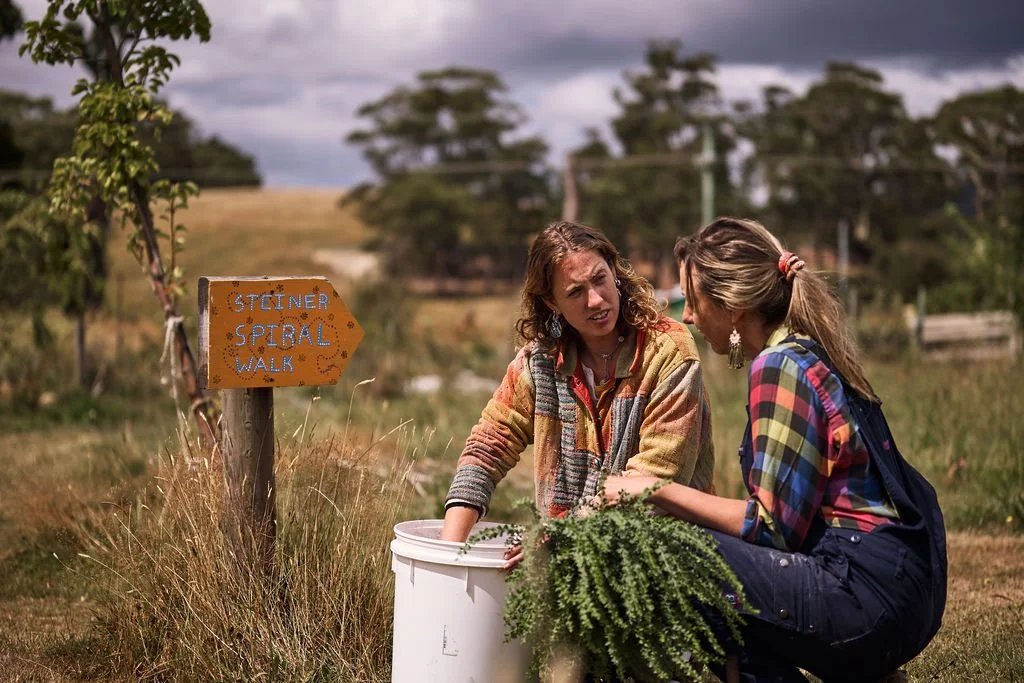
On Magical Farm Tasmania I asked a simple question: what would it look like if communities could actively shape their own food systems again?

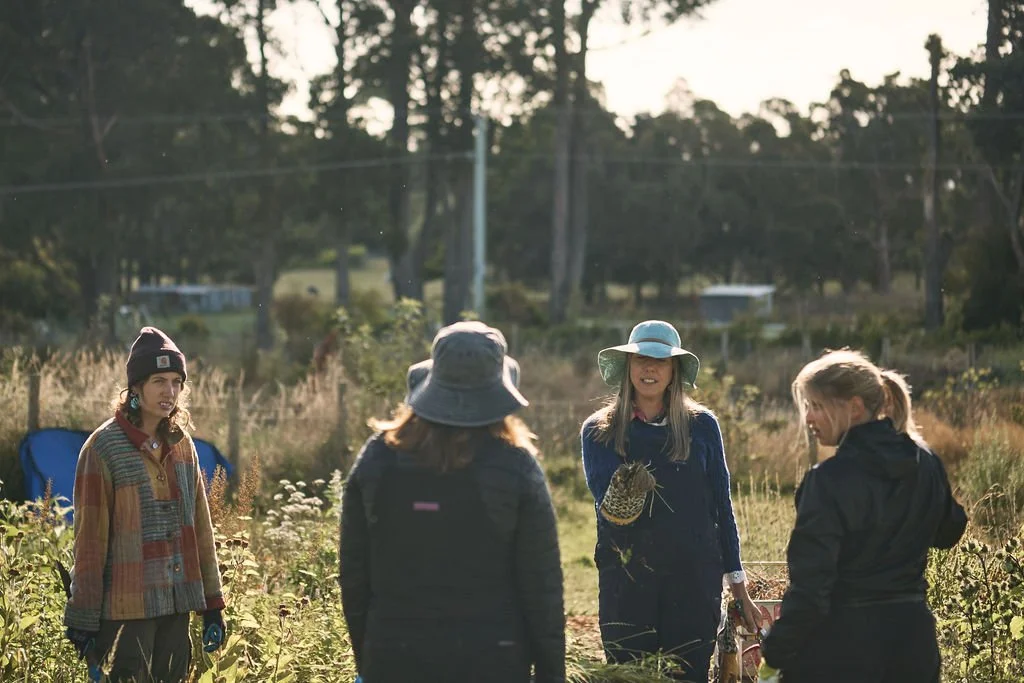
Photography by Ness Vanderburgh

Over twenty years my explorations in designing thriving food systems expanded across Tasmania and internationally through design research, teaching and collaboration. The result is this course.

Activating Food Systems is designed to bring together practical knowledge of soil health, regional food networks, community enterprise, economics and policy design.

Participants explore how small scale farms, local markets, schools, councils and citizens can work together to regenerate food systems from the ground up.

The course is not abstract theory, it is grounded in lived practice, observation and collaborative design. Each participant develops their own project idea supported by dialogue, examples and shared learning.

My hope is that people around the world who care about food, land and community will find this work and feel encouraged to act where they live.

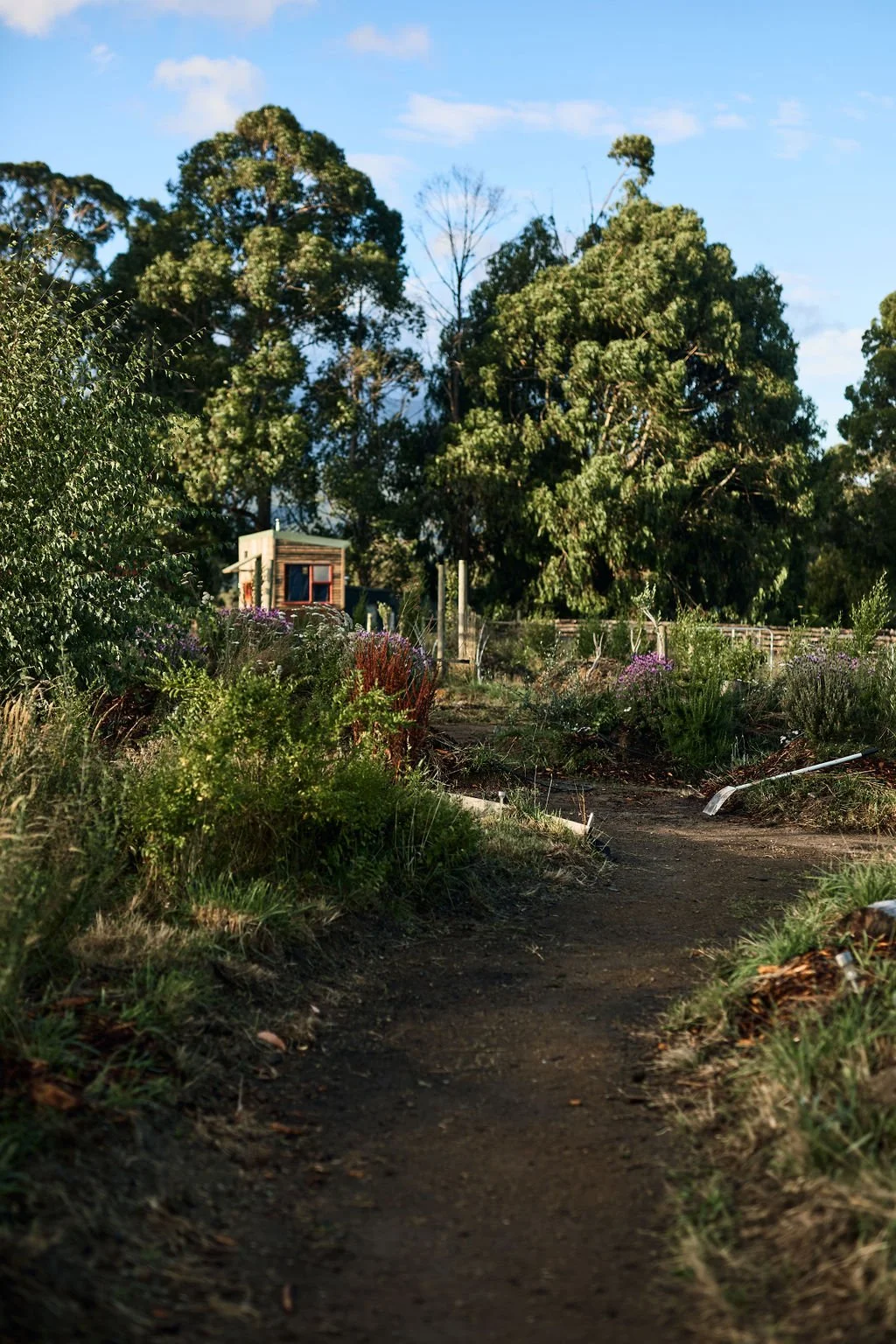
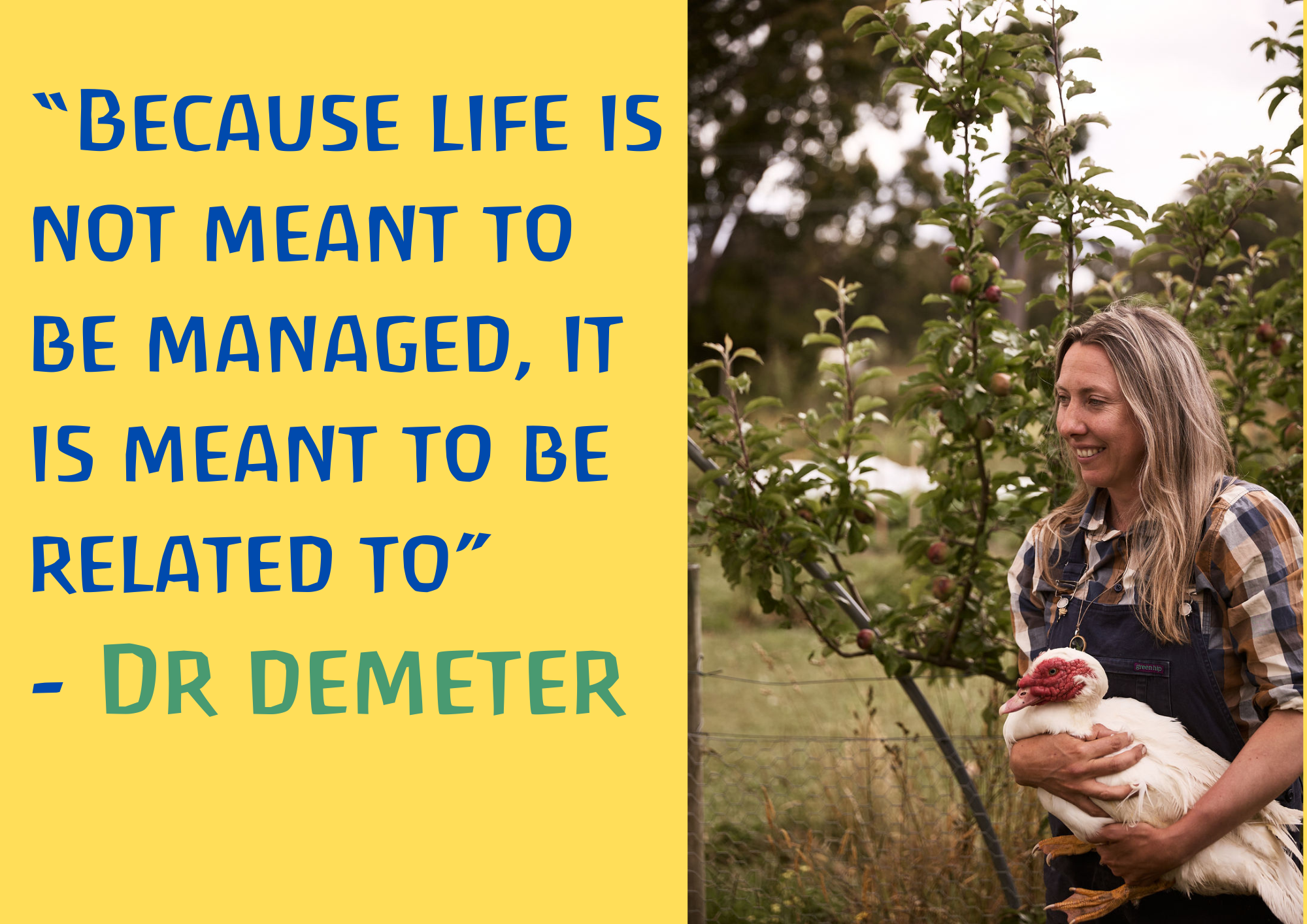
Photography by Ness Vanderburgh

If you are searching for practical ways to strengthen your local food system, this course is an invitation to begin together now. With courage, clarity and care for soil, people, place everywhere.

With life “Con Viv” and Love

Dr Demeter / Dr Emily Samuels-Ballantyne

We Are All Designers of Food System

Design is often treated as a professional discipline practised in studios, universities, and consultancies. It shapes products, services, environments, and policy. But design did not begin with institutions. Tools were designed. Language was designed. Markets were designed. The supermarket, the local market, and the digital platform are all designed systems that shape how money moves, how food travels, and how power is distributed.

In this sense, we are all already designers. The deeper question is whether we understand the living systems within which we are designing.

Food systems are not only logistical or agricultural. They are ecological, cultural, economic, and perceptual. What we eat, where we buy, how we organise daily life, and how we participate in community all shape the wider social and ecological organism. When value moves through distant, centralised supply chains, local landscapes and communities weaken. When it circulates through small farms, local markets, and regional food economies, resilience grows.

Food is also formative. Healthy land produces healthy food. Healthy food supports healthy bodies. Healthy bodies enable clearer perception. Clearer perception supports wiser design. This loop connects soil, culture, economy, and civic life.

This understanding sits at the heart of Con Viv, or convivial living systems design. It is also the foundation of the Activating Food Systems Course at Living Earth College.

The course explores how local food systems can be strengthened from soil to society. It brings together living systems design, regenerative practice, place-based observation, community-scale food infrastructure, and policy thinking. It is designed for farmers, designers, educators, policymakers, and community leaders who want practical ways to participate in food system renewal.

Living Earth College is emerging as a translocal education platform for life systems literacy. Its work asks a simple but urgent question: what would change if soil, food, local economies, and civic participation were treated as foundational to education and design?

We are already shaping the future through our habits, choices, and structures. The invitation of the Activating Food Systems Course is to do so more consciously, and in service of living systems.

Photography by Ness Vanderburgh