Origins of Living Earth College - Magical Farm Tasmania
A living farm organism
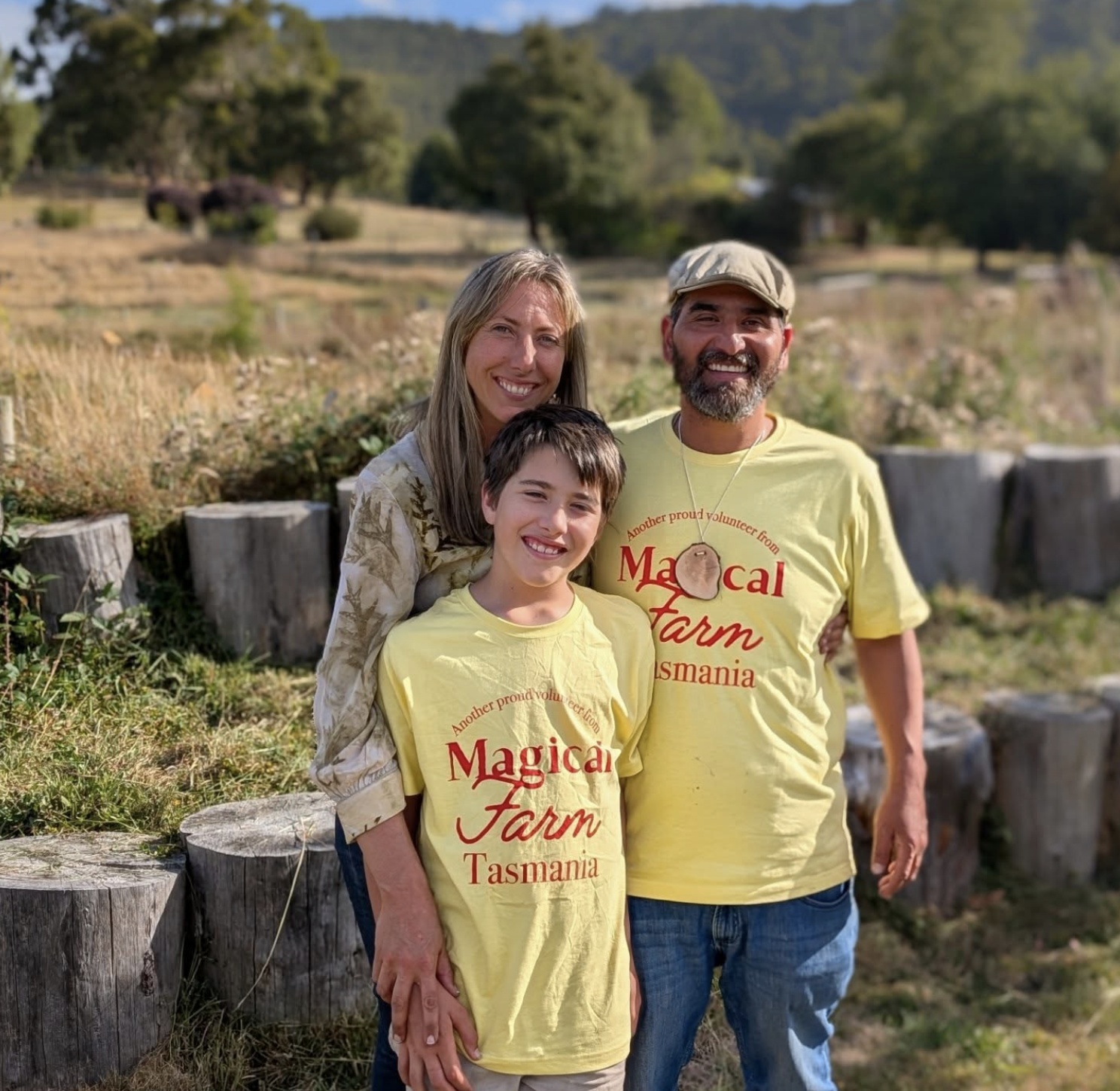
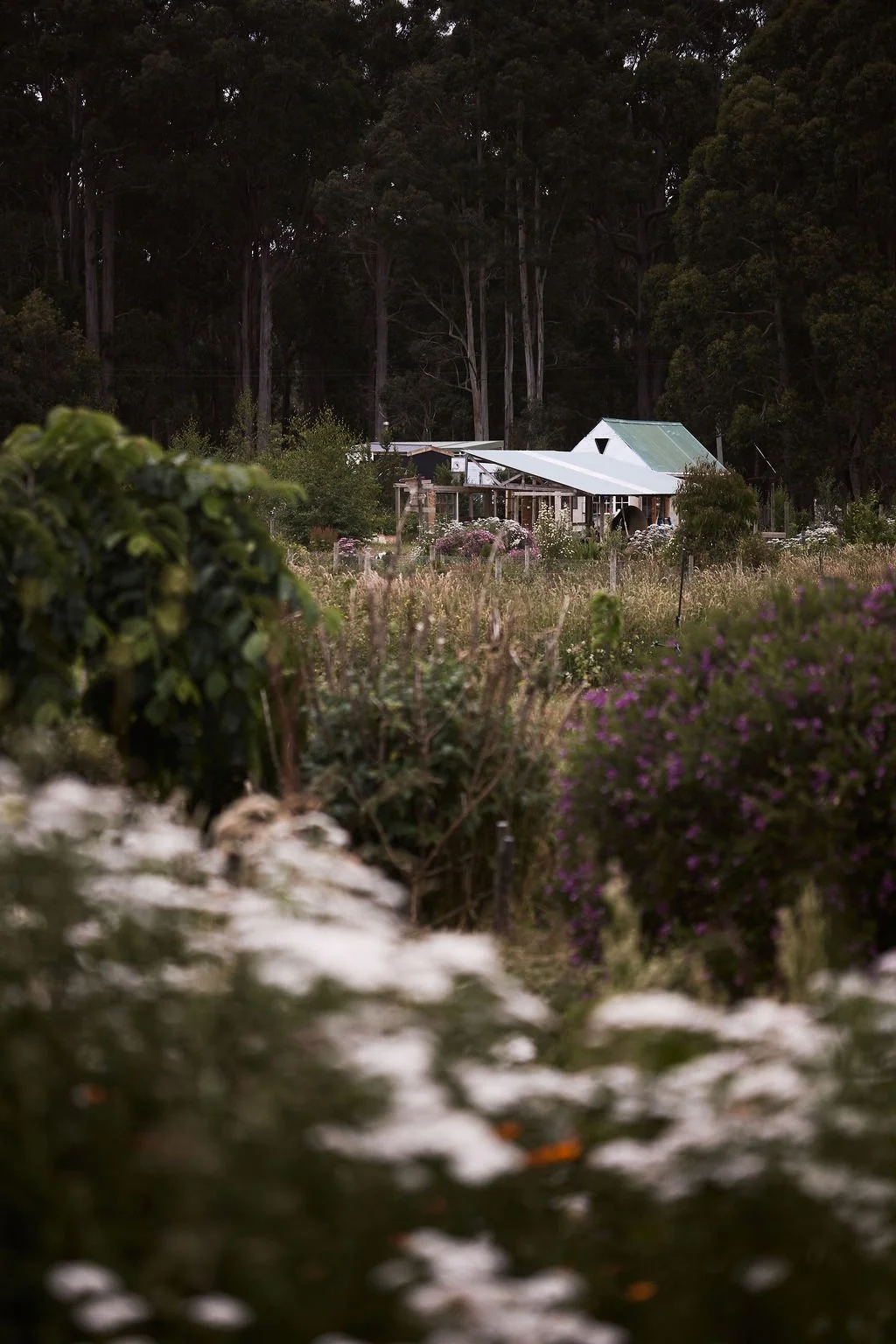
Living Earth College emerged from years of practical work at Magical Farm Tasmania and from a wider body of food systems design, education, and community-scale experimentation in Australia and Europe. Magical Farm Tasmania is a small farm near the Huon Valley, nestled between mountains and the Southern Ocean south of Hobart, that has grown over time as a place of cultivation, observation, and community exchange centred around food, soil, and living landscapes.
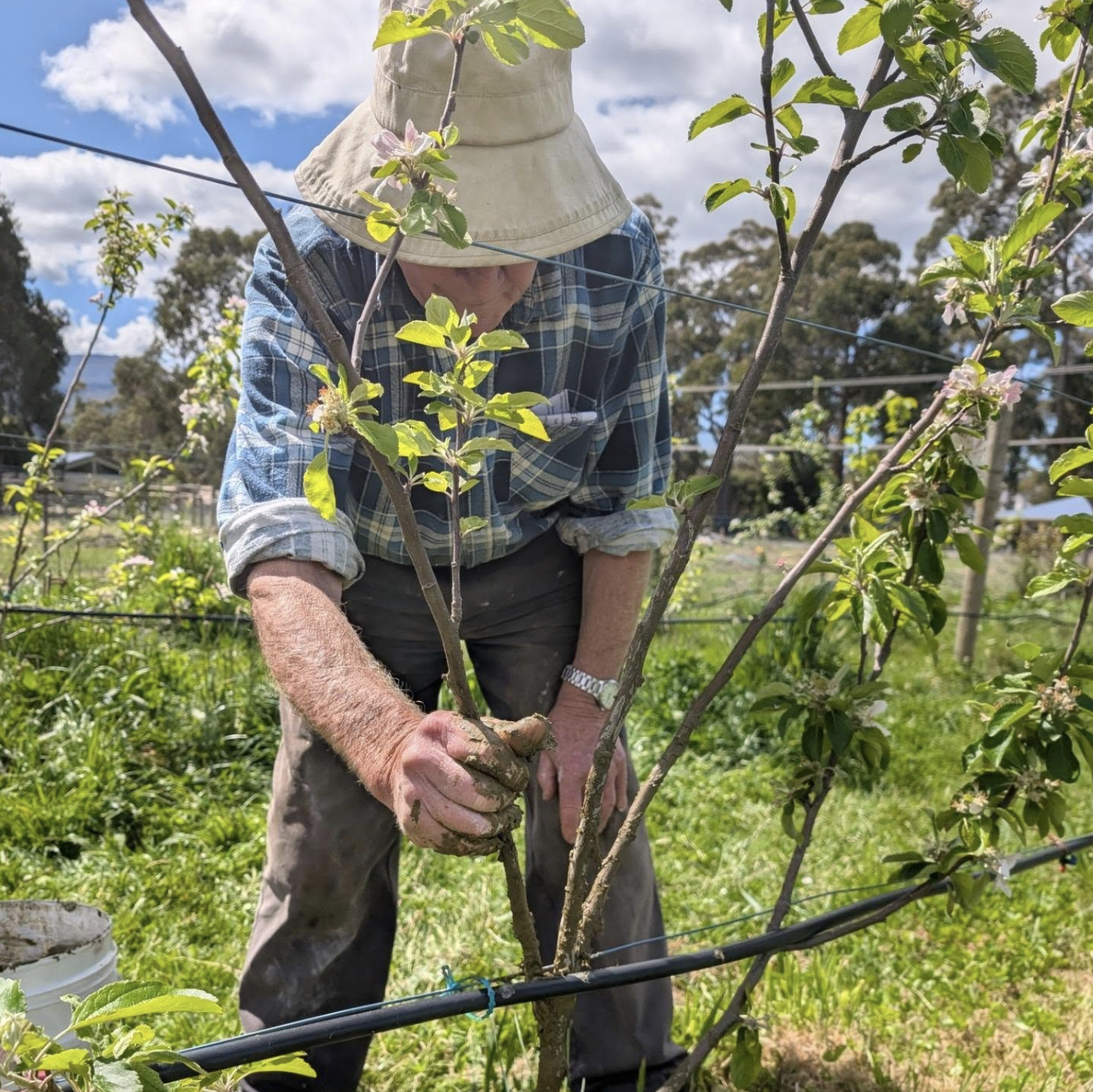
The farm has been shaped through the principles of biodynamic agriculture, which understands the farm as a living organism - a dynamic relationship between soil, plants, animals, people, and the surrounding ecological landscape.
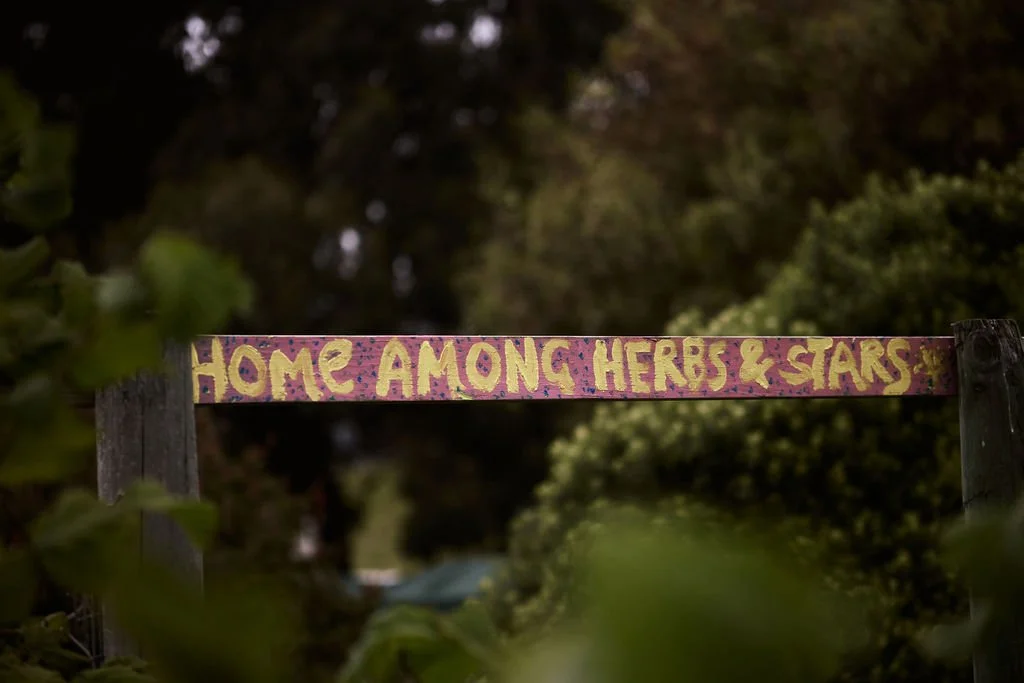
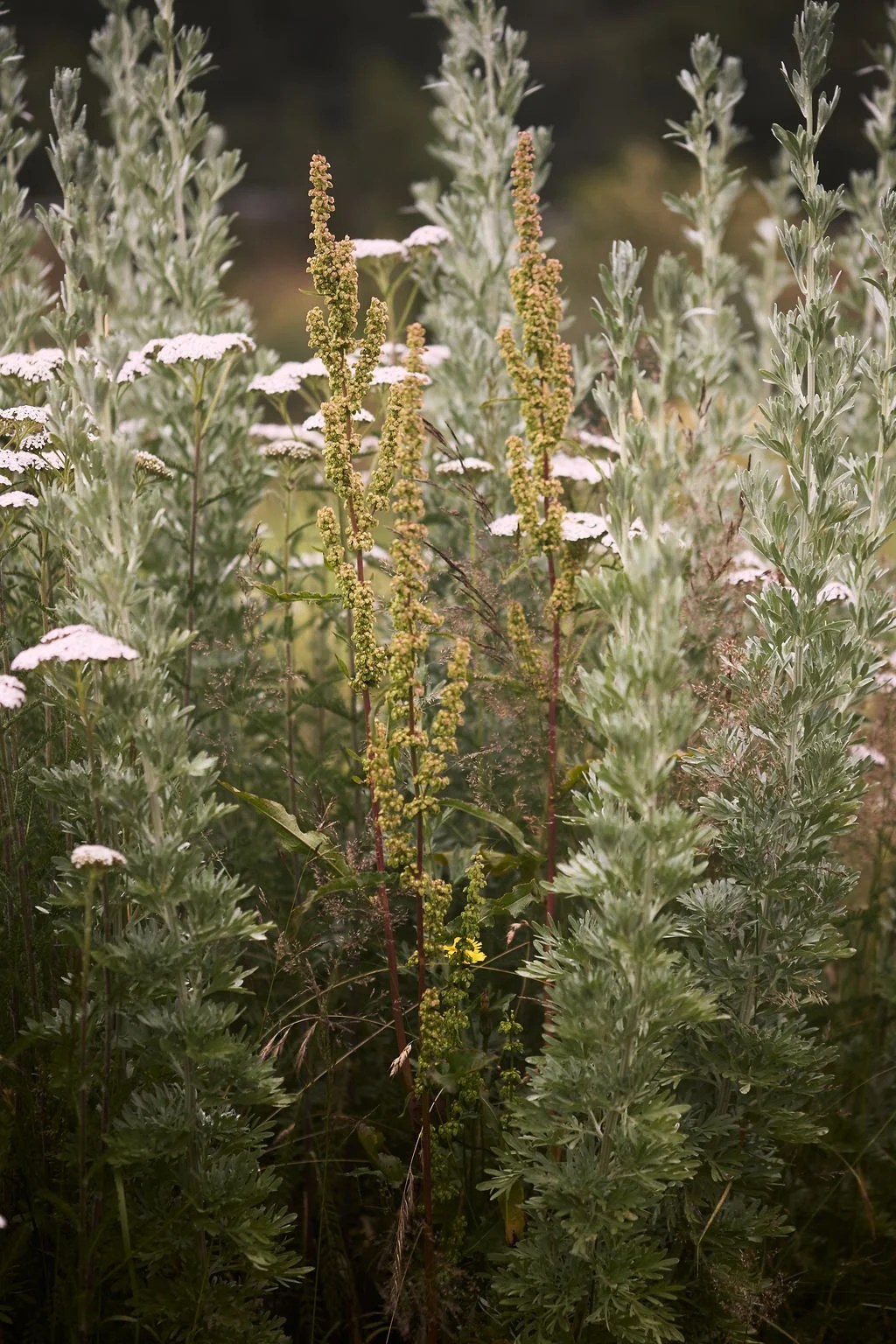
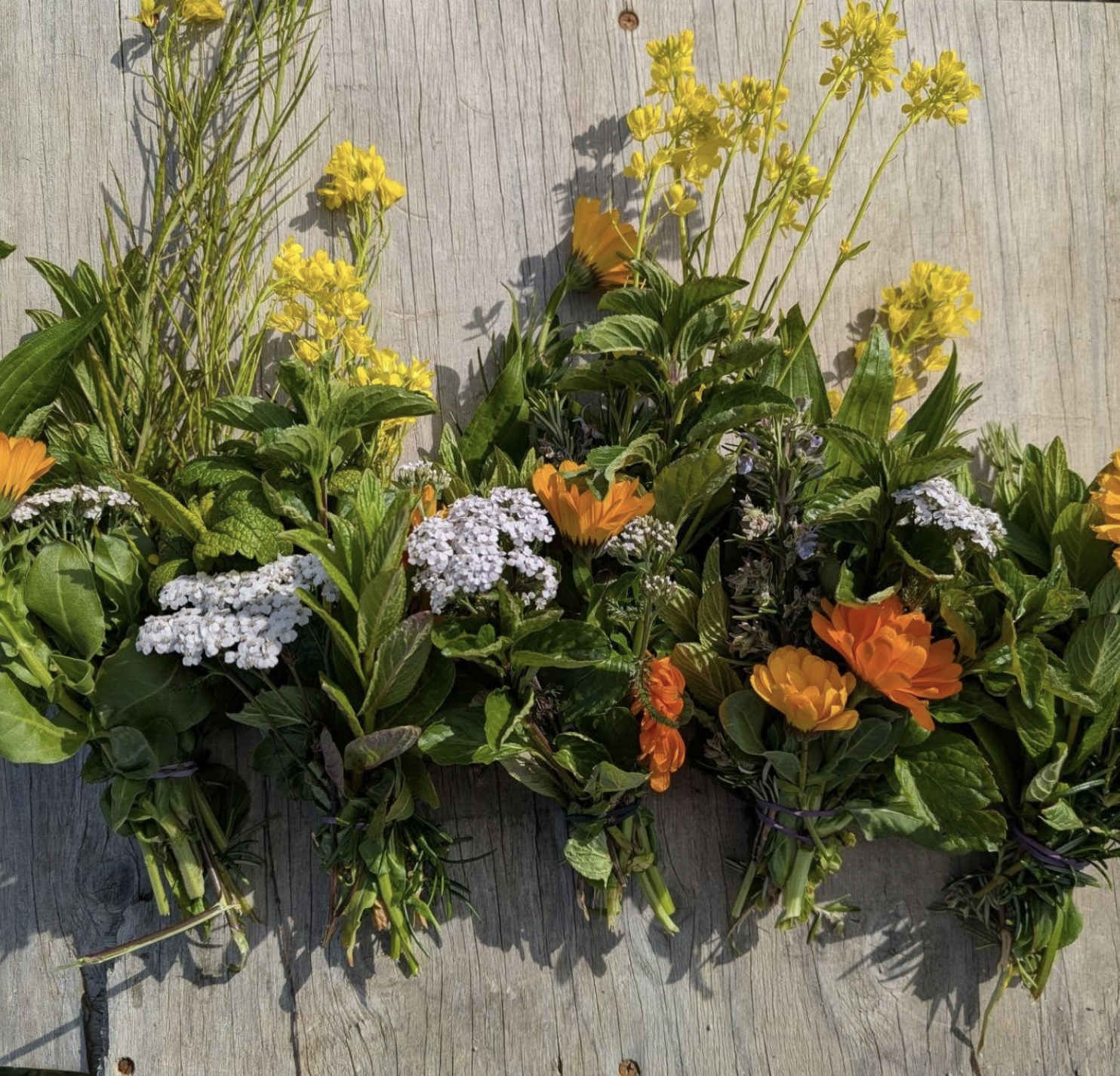
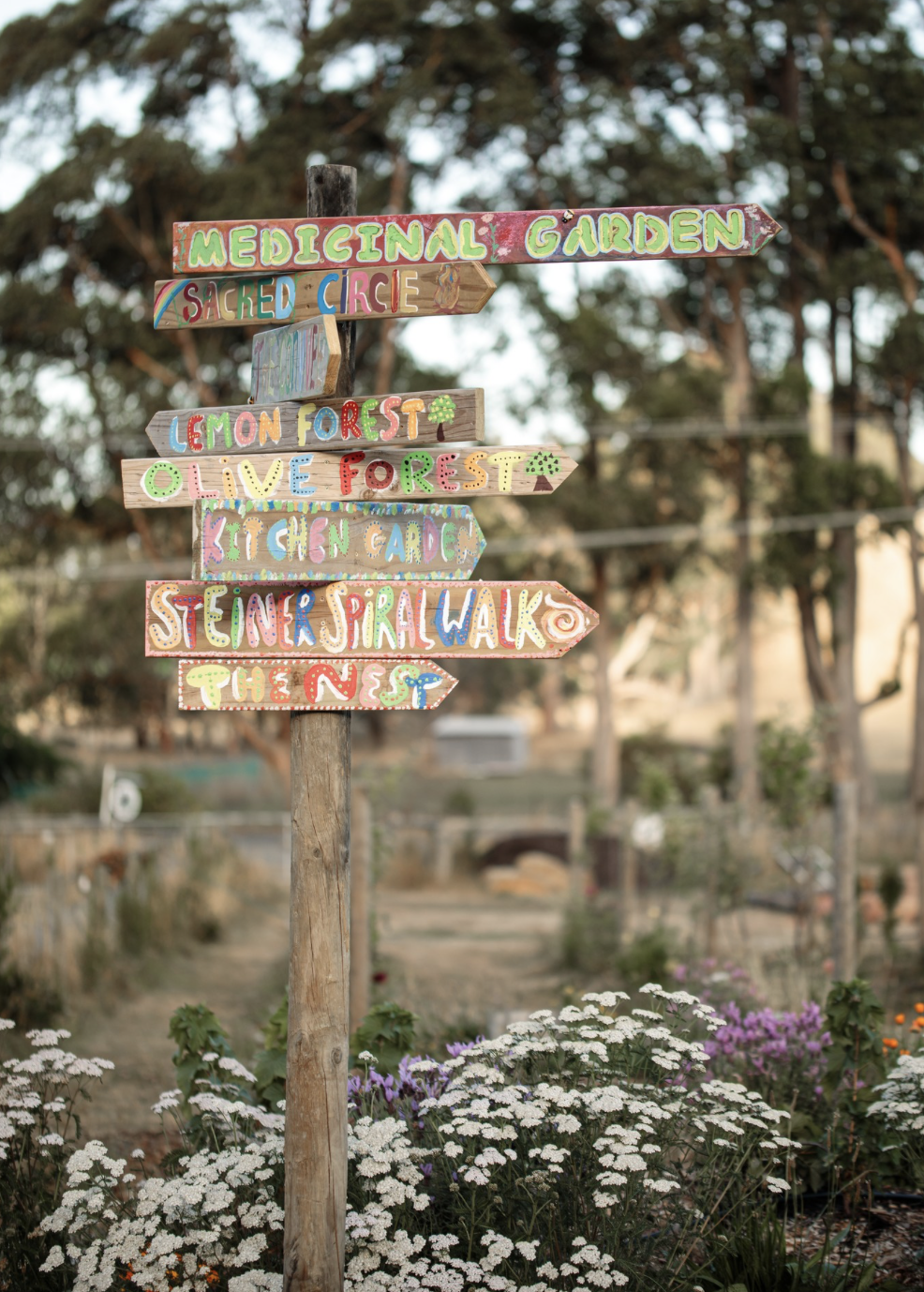
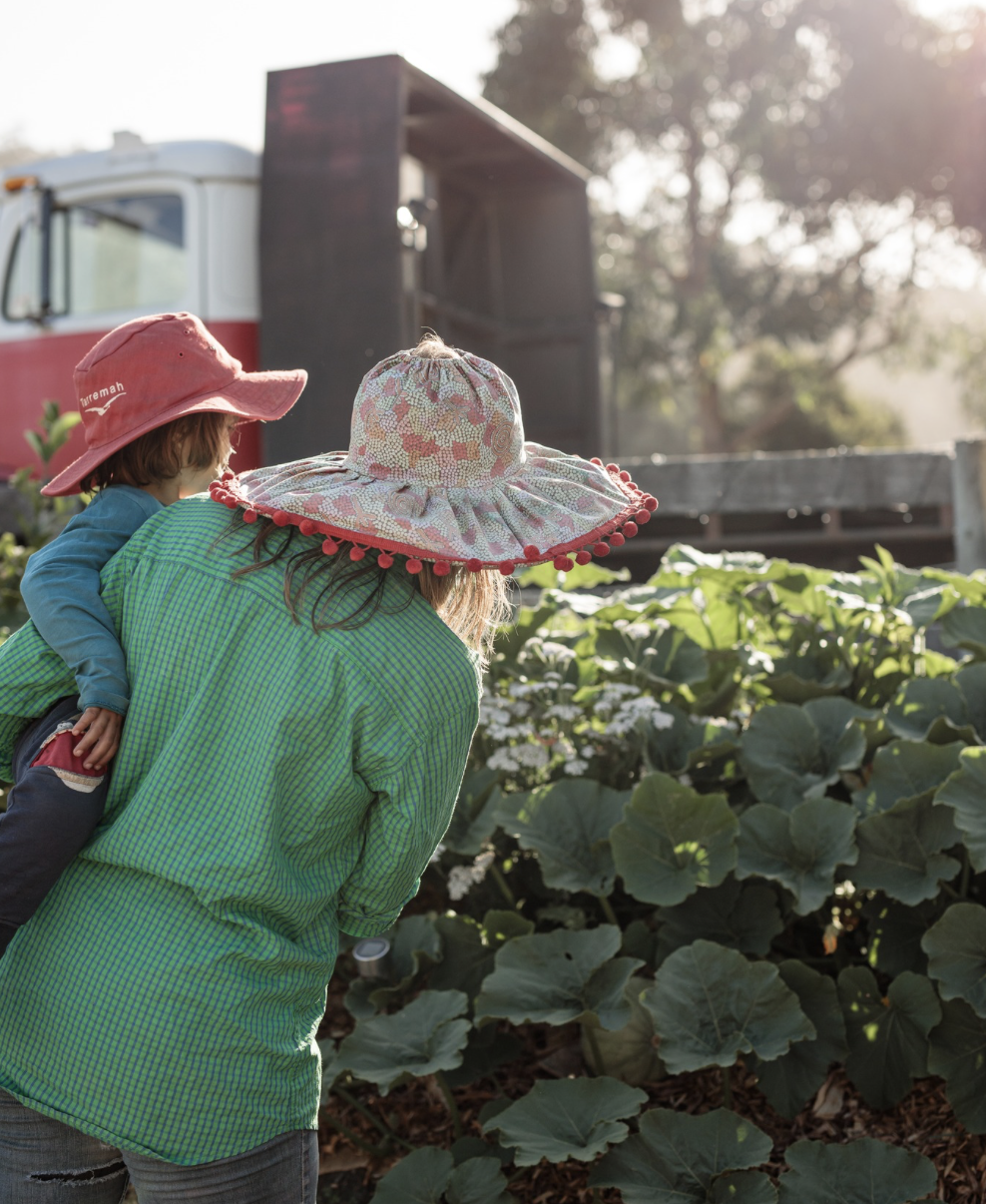
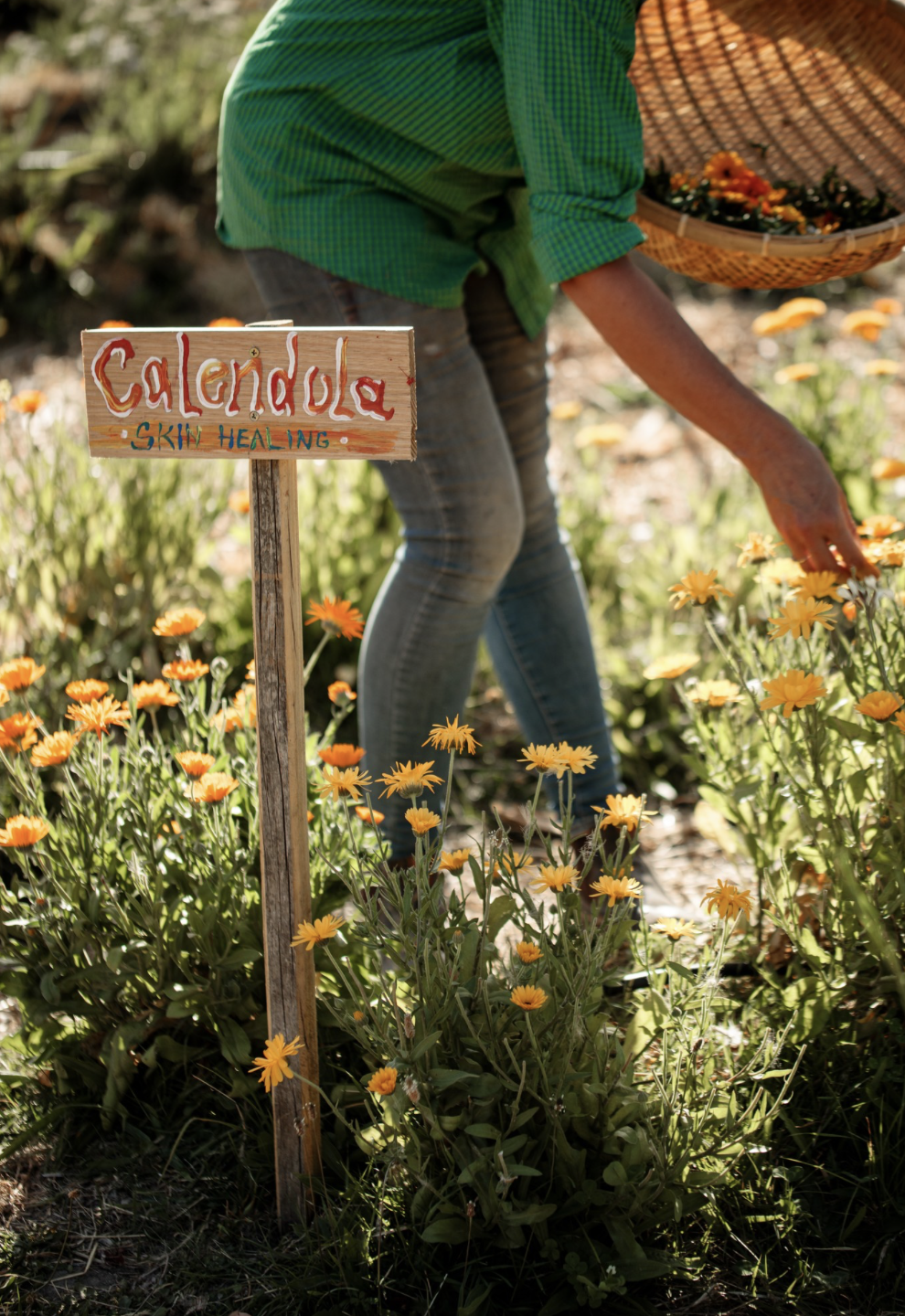
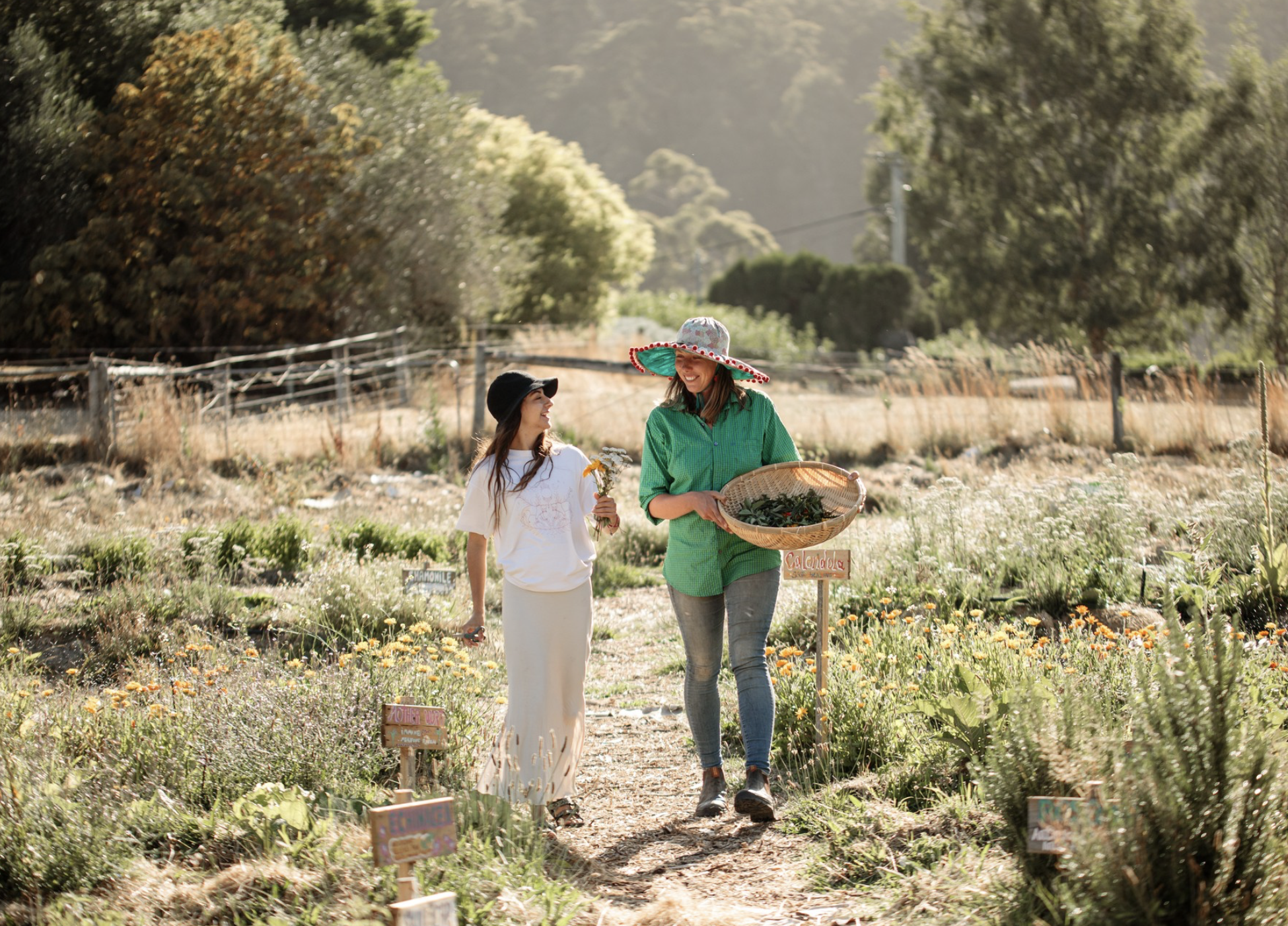
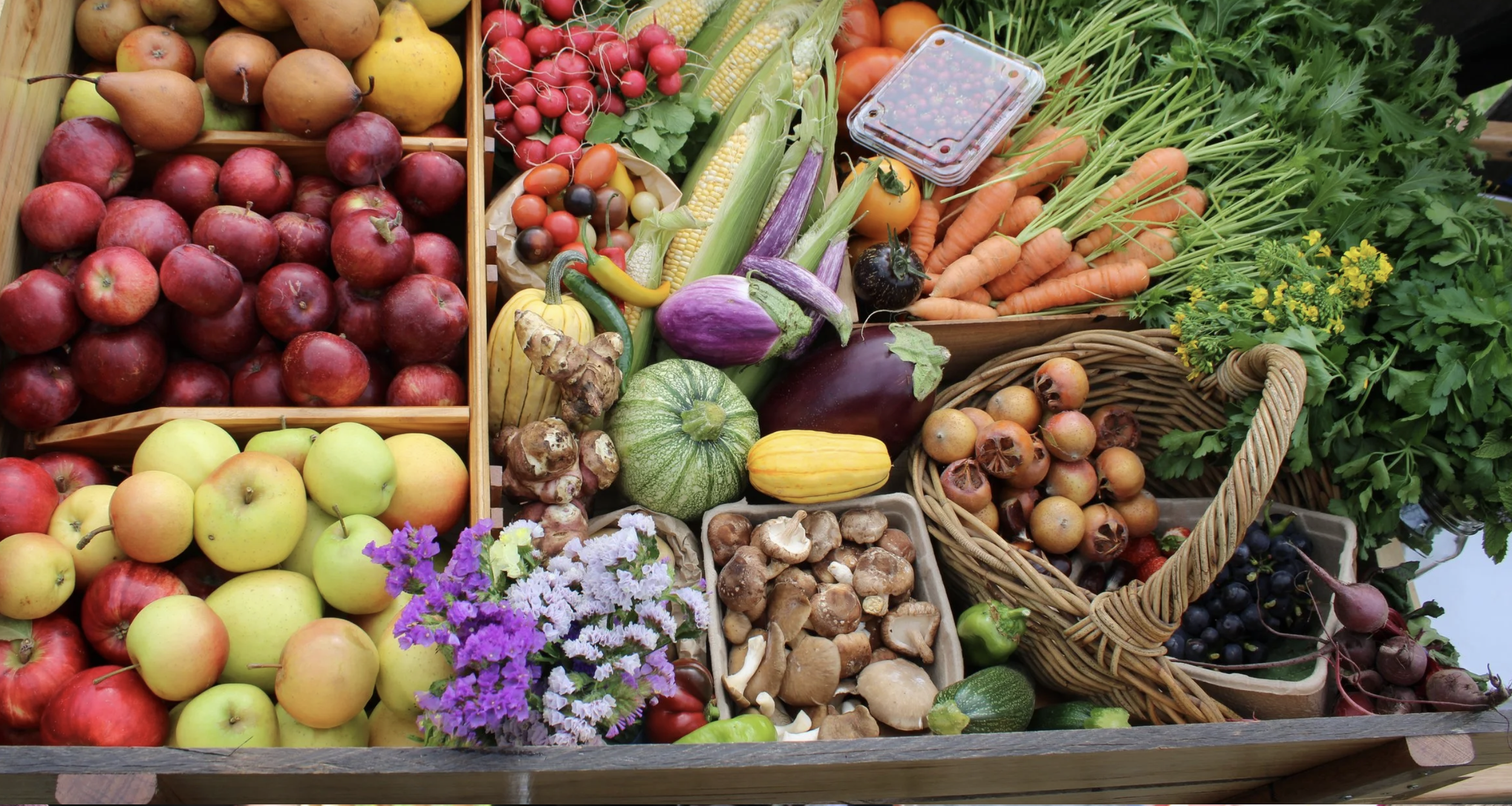
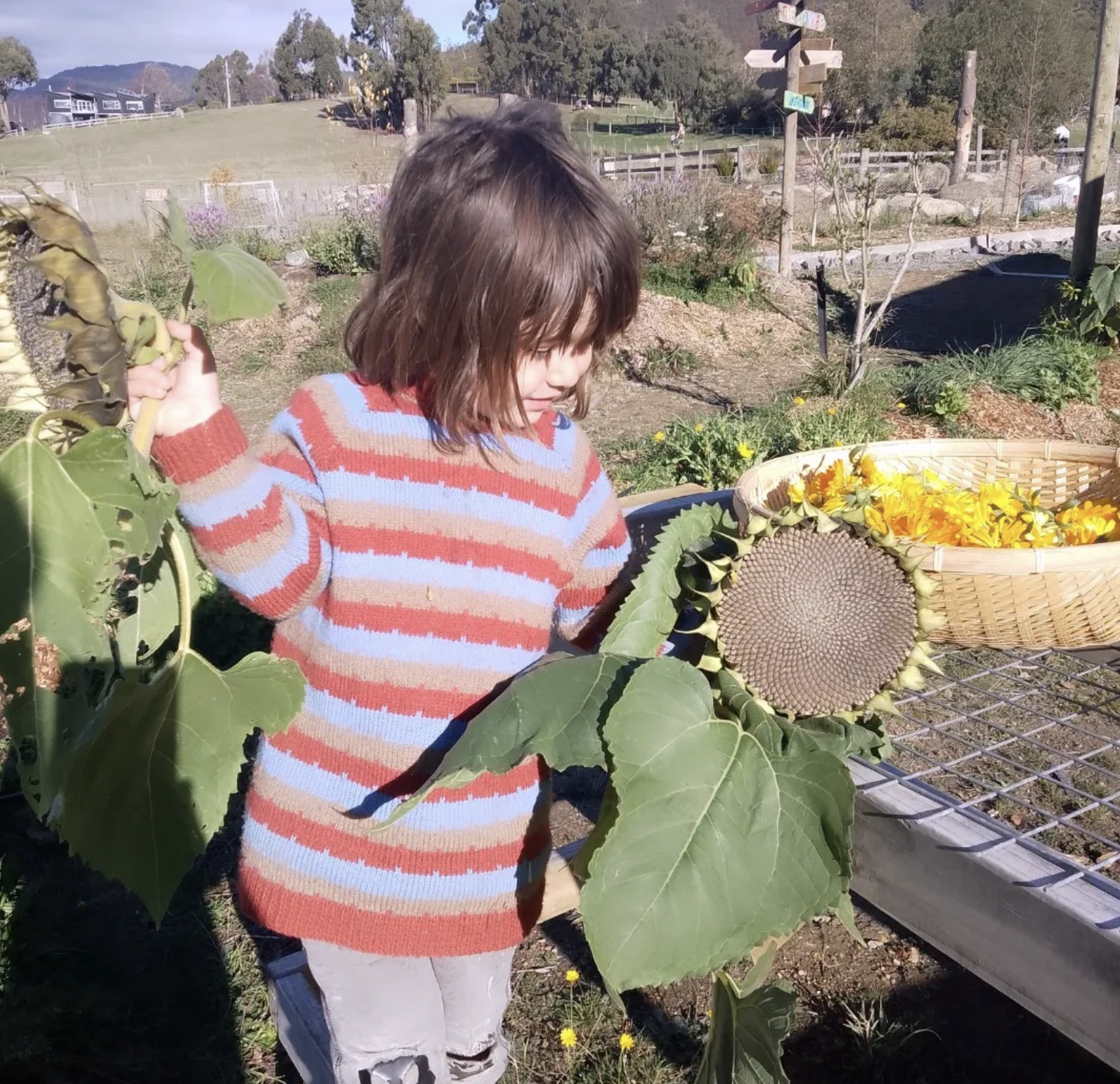
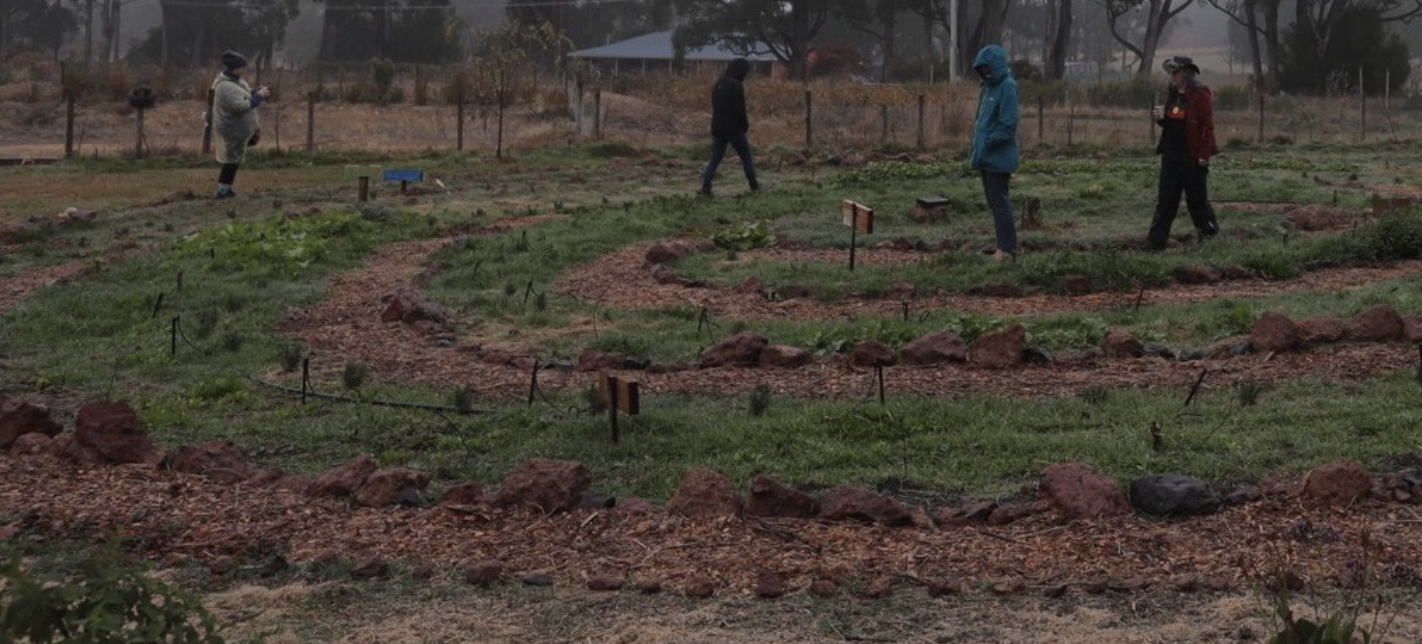
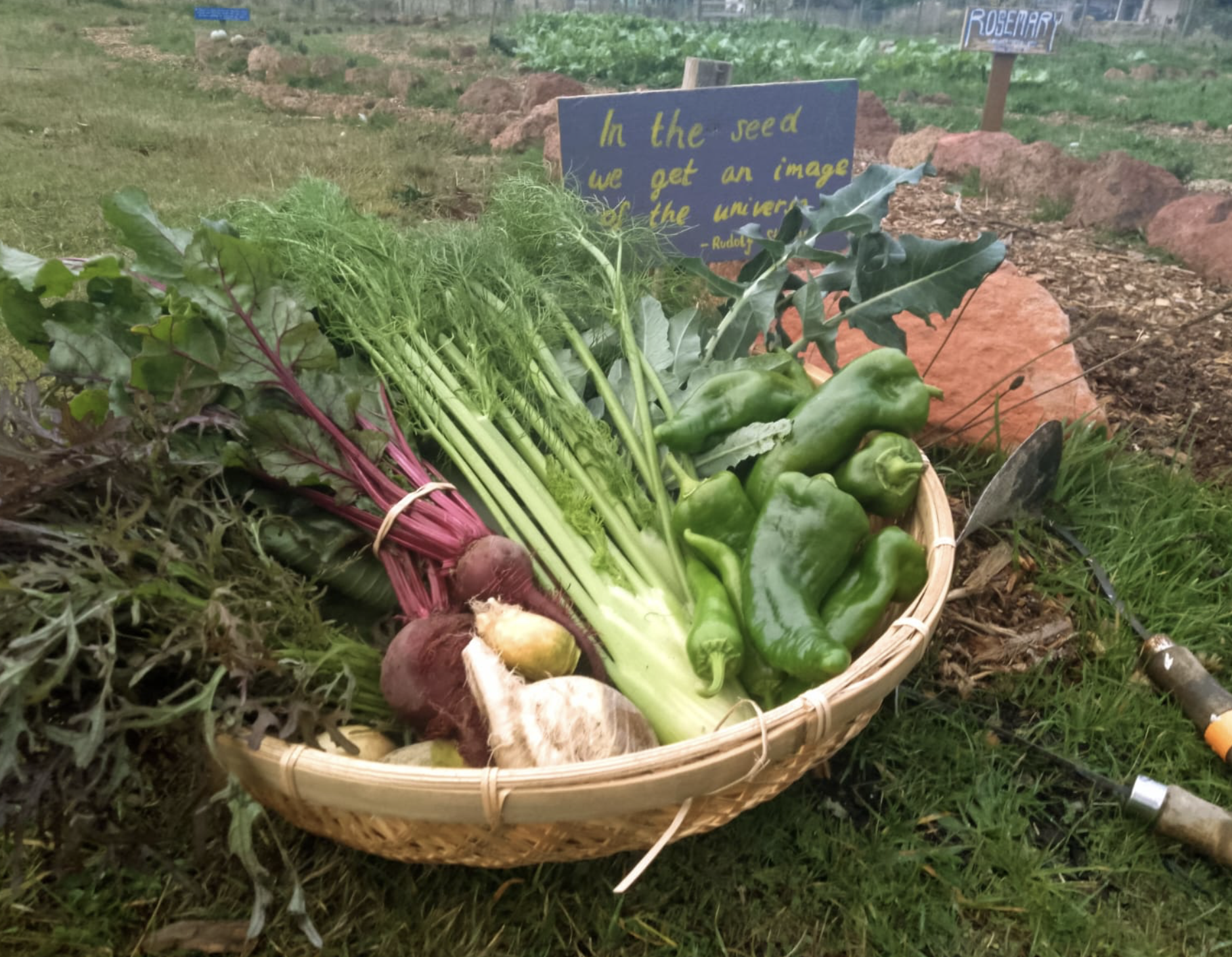
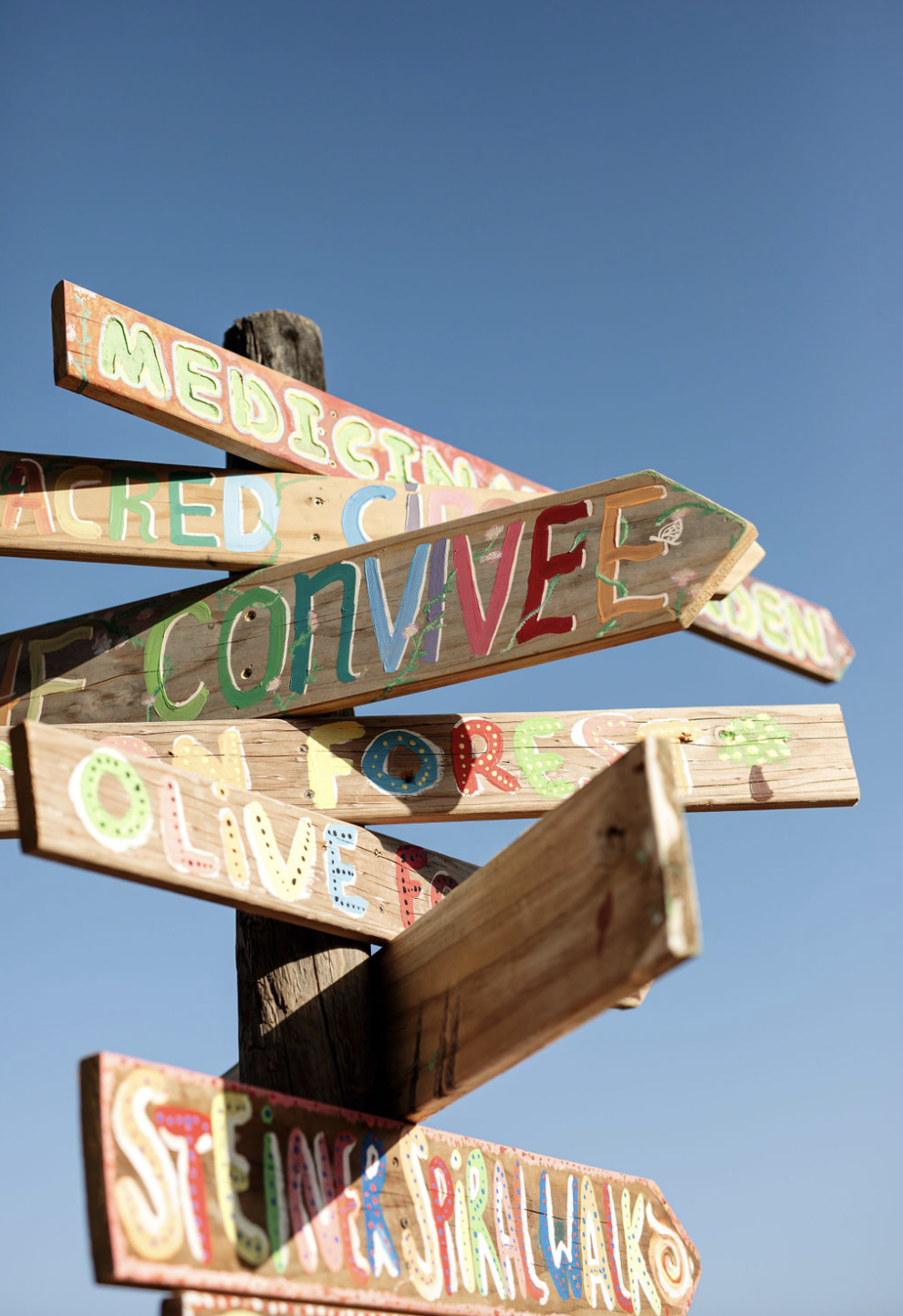
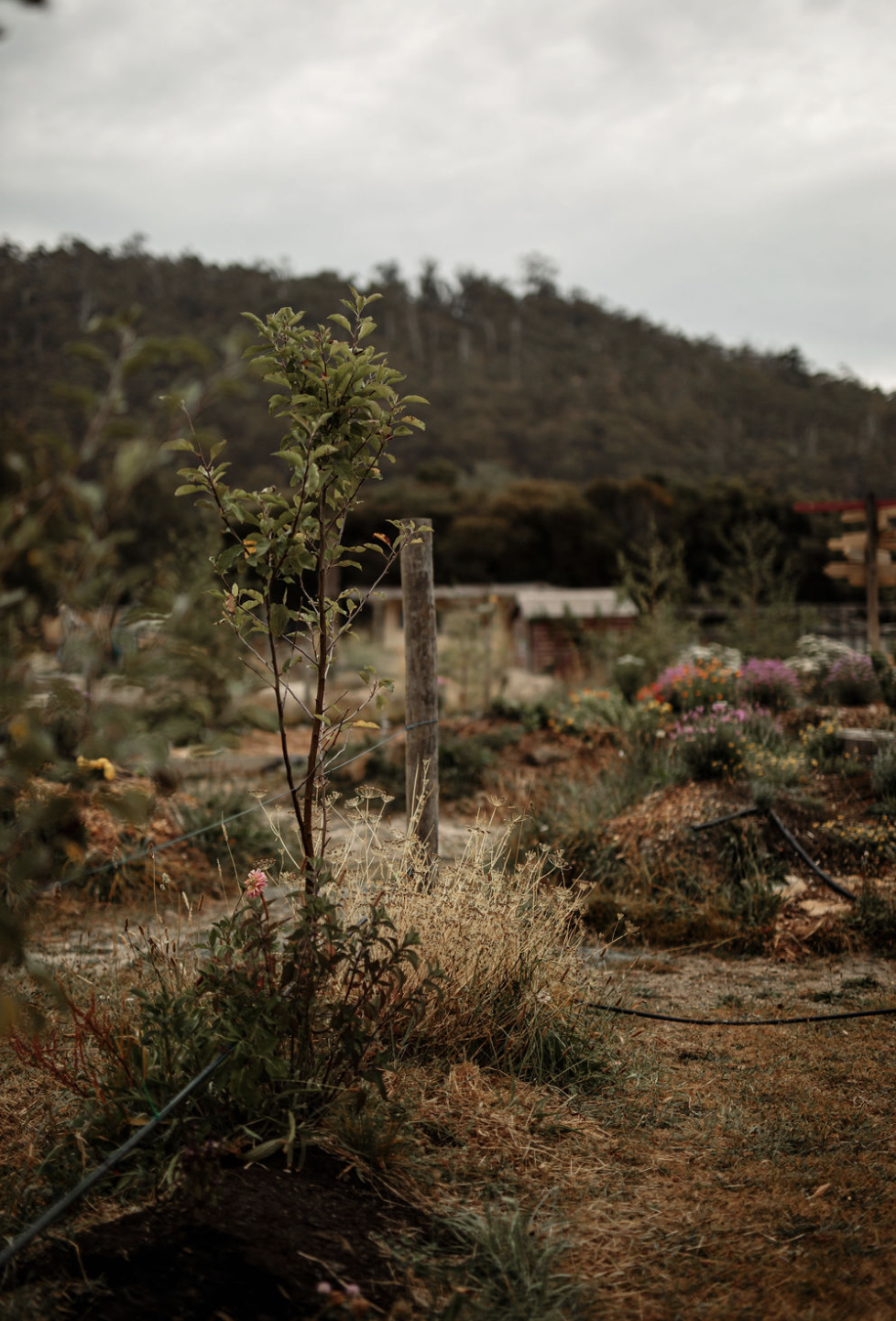
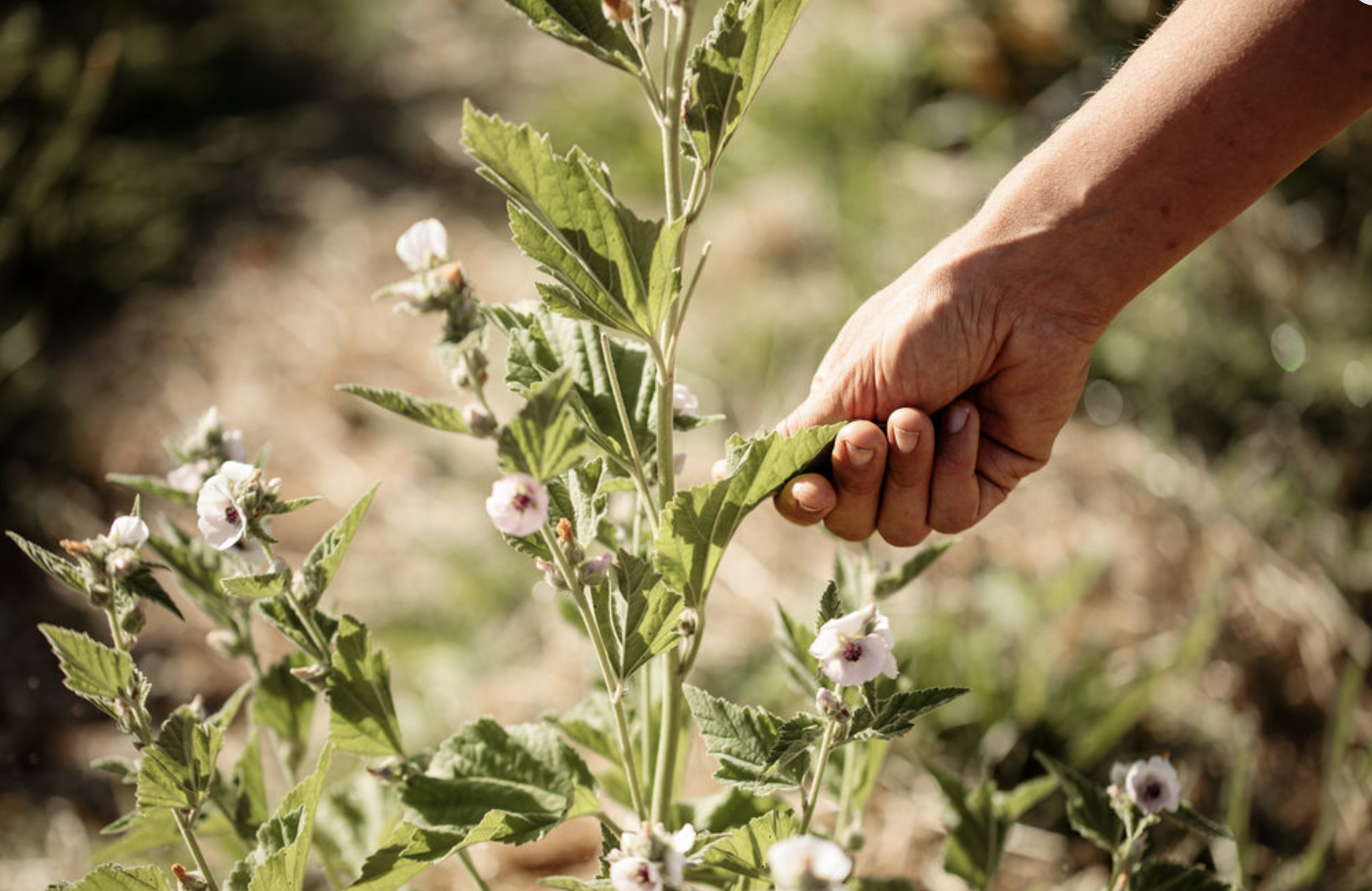
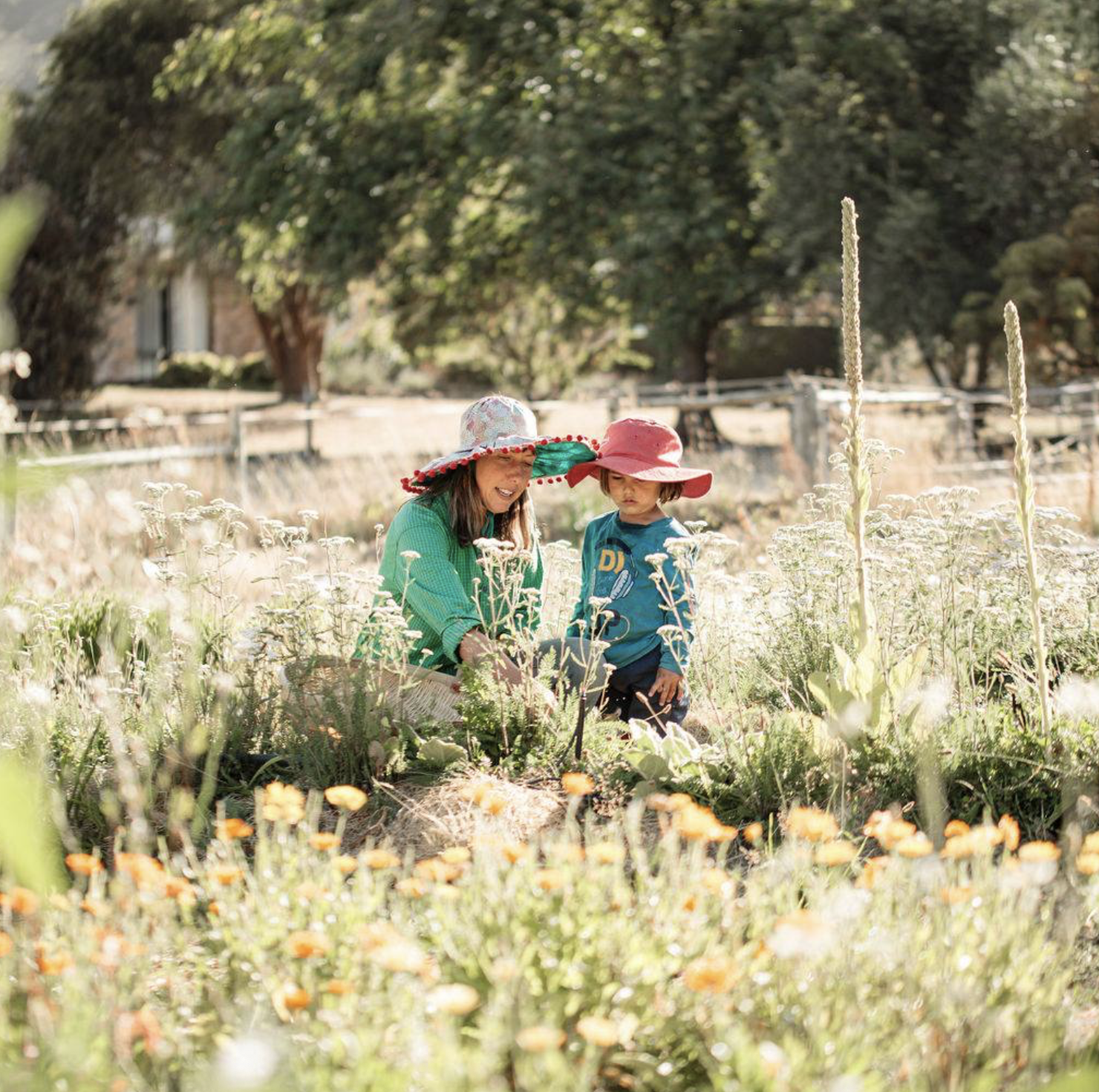
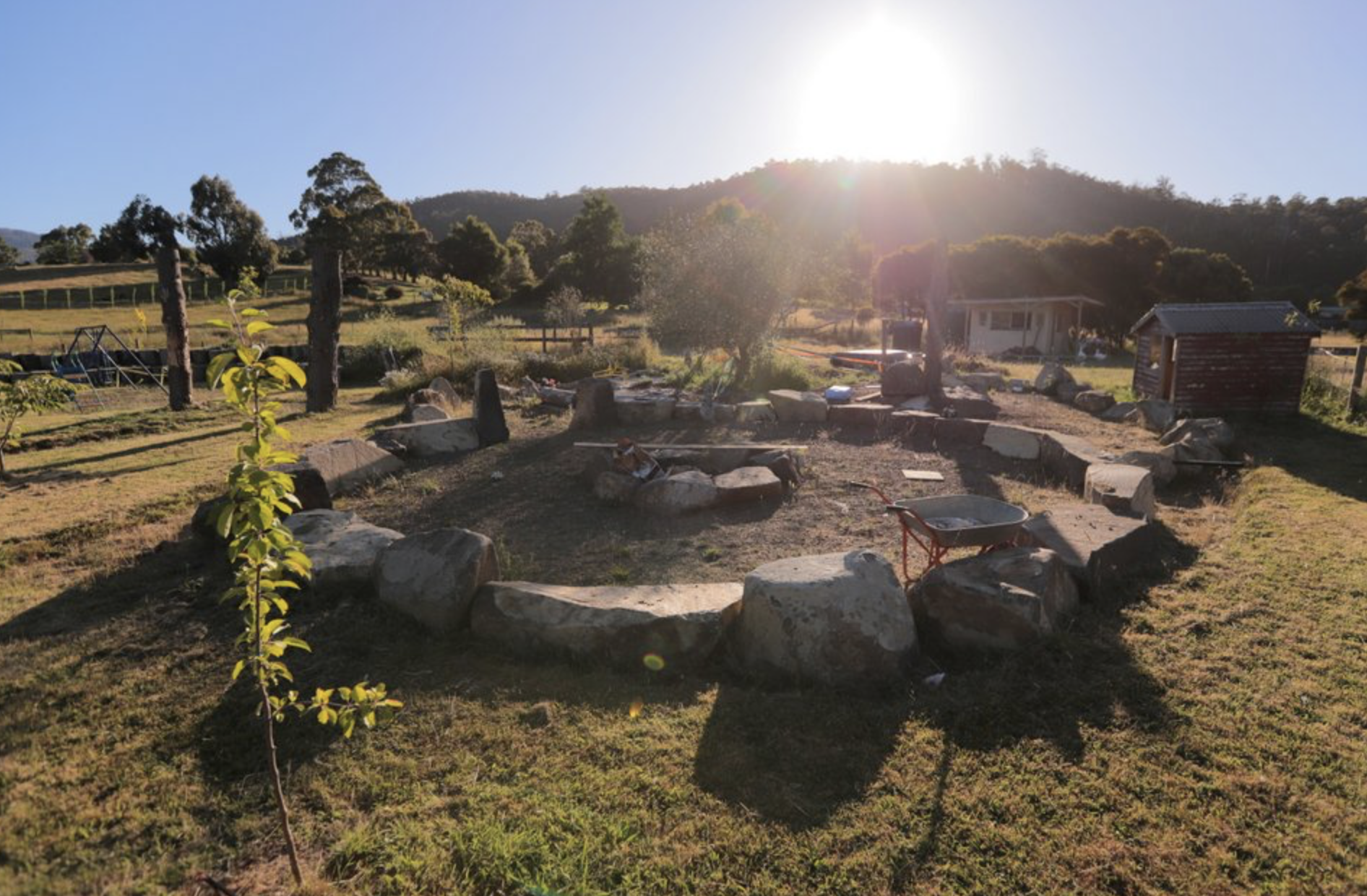
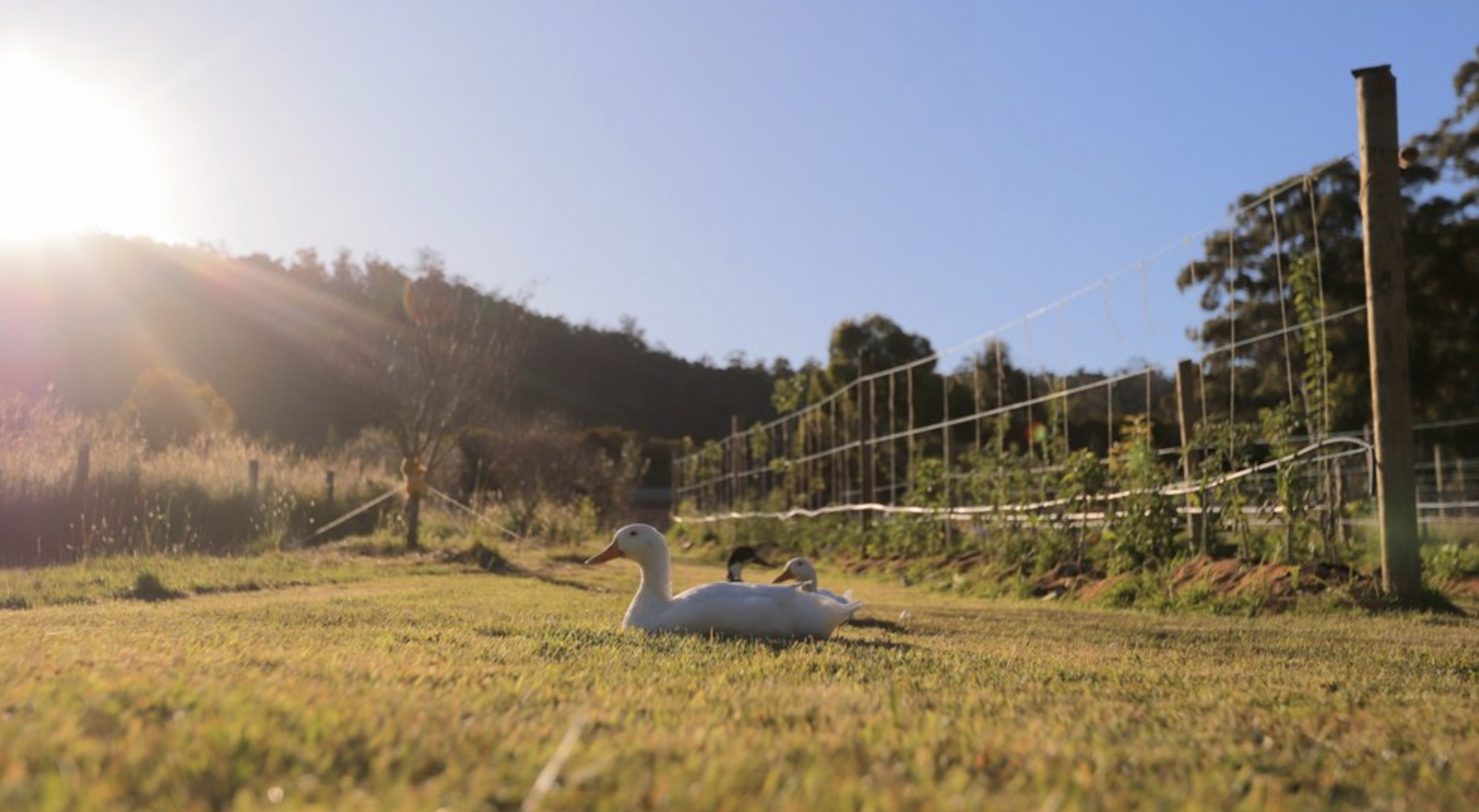
Over the years the land has gradually developed into a diverse mosaic of gardens, medicinal and culinary herbs, fruit trees, seed crops, habitat plantings, and soil-building systems. What began as a modest garden has evolved into what we often describe as a living library of plants, where biodiversity and soil health are actively cultivated.
The work of the farm is guided by careful observation of seasons, soil vitality, biodiversity, and the subtle rhythms that shape agricultural life.
Biodynamic practice
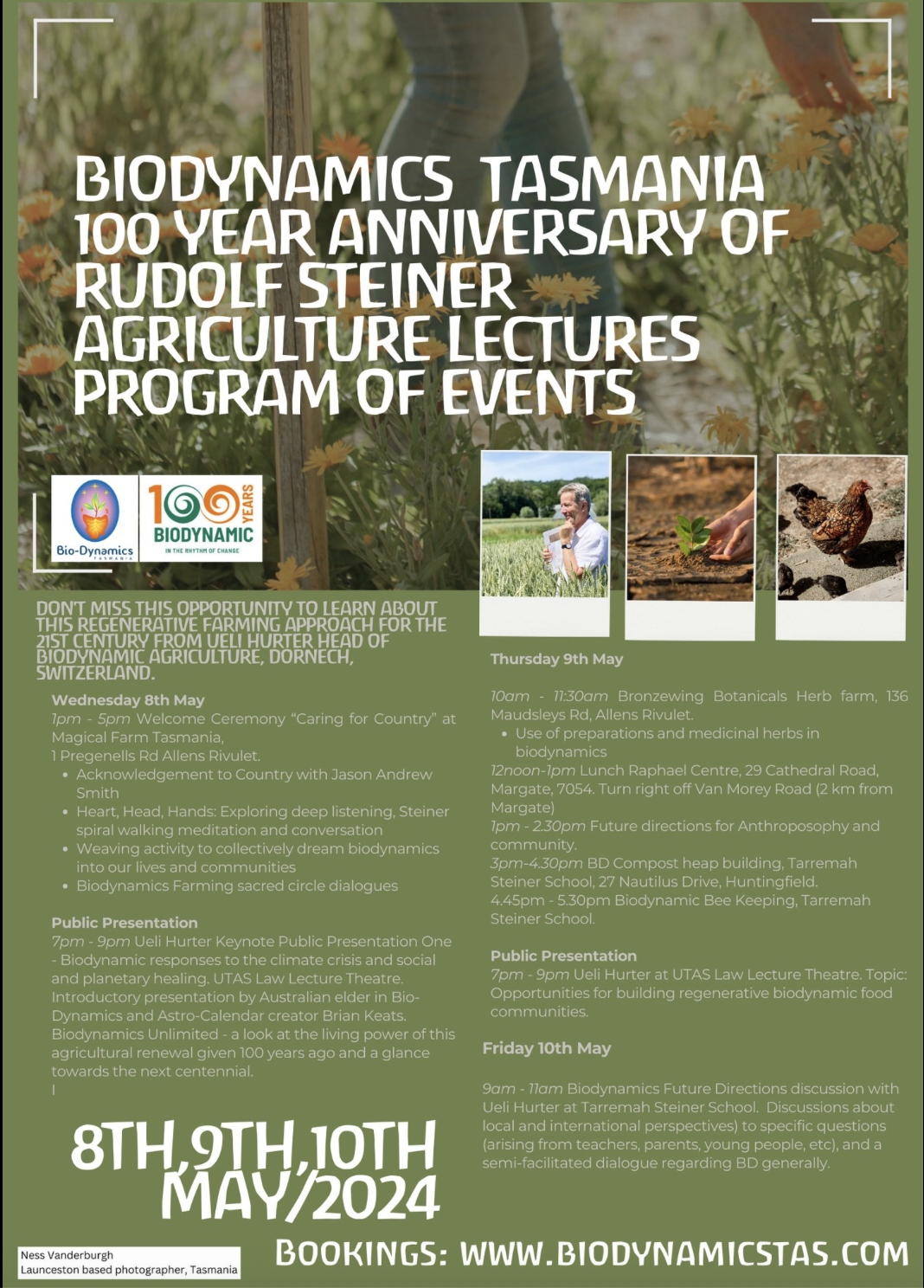
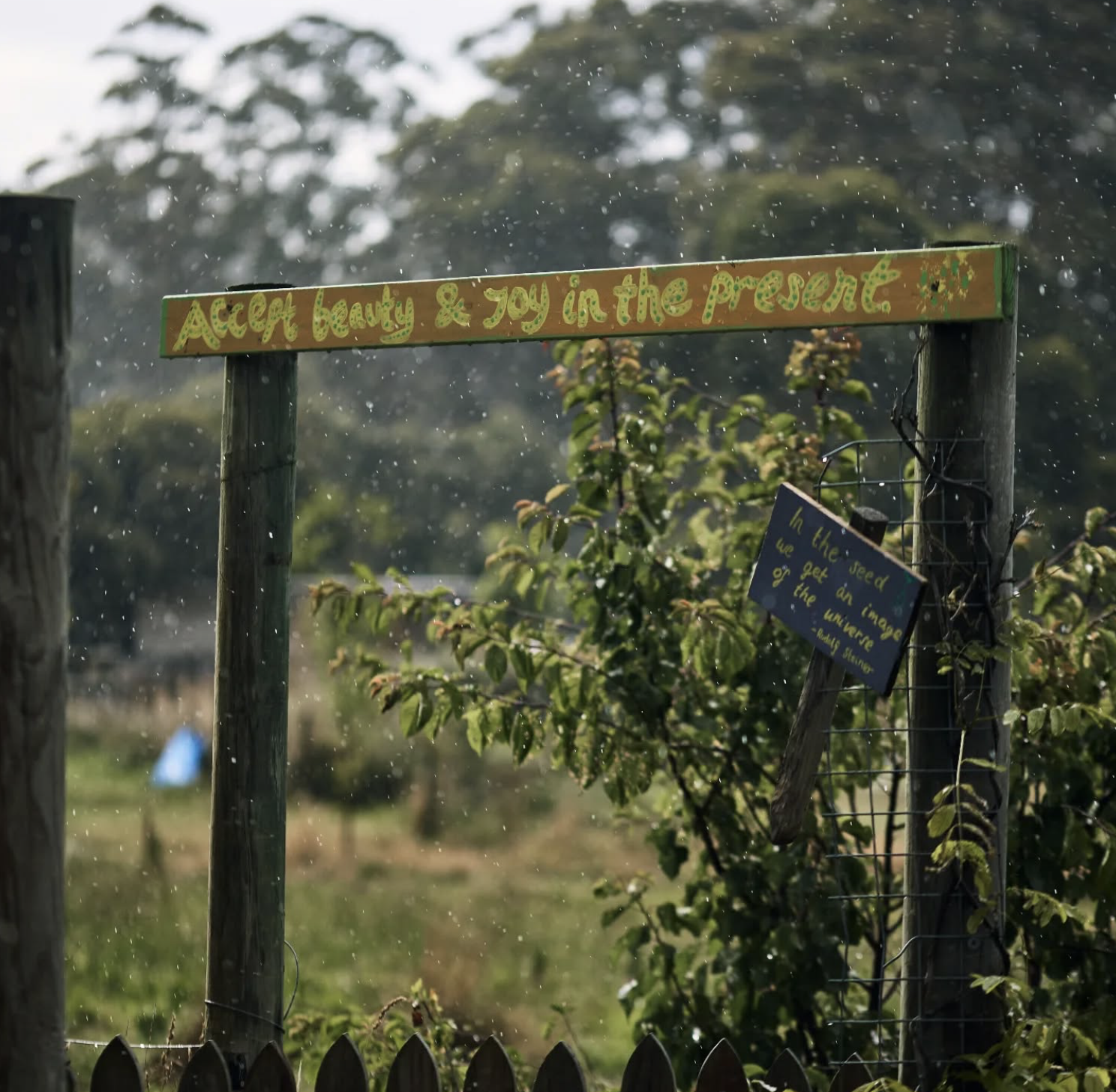
Magical Farm draws inspiration from the biodynamic agricultural tradition that began with the agricultural lectures of Rudolf Steiner in 1924.
Biodynamic agriculture approaches farming not simply as production, but as a cultural and ecological practice that supports the health of the entire farm organism.
At Magical Farm this has included:
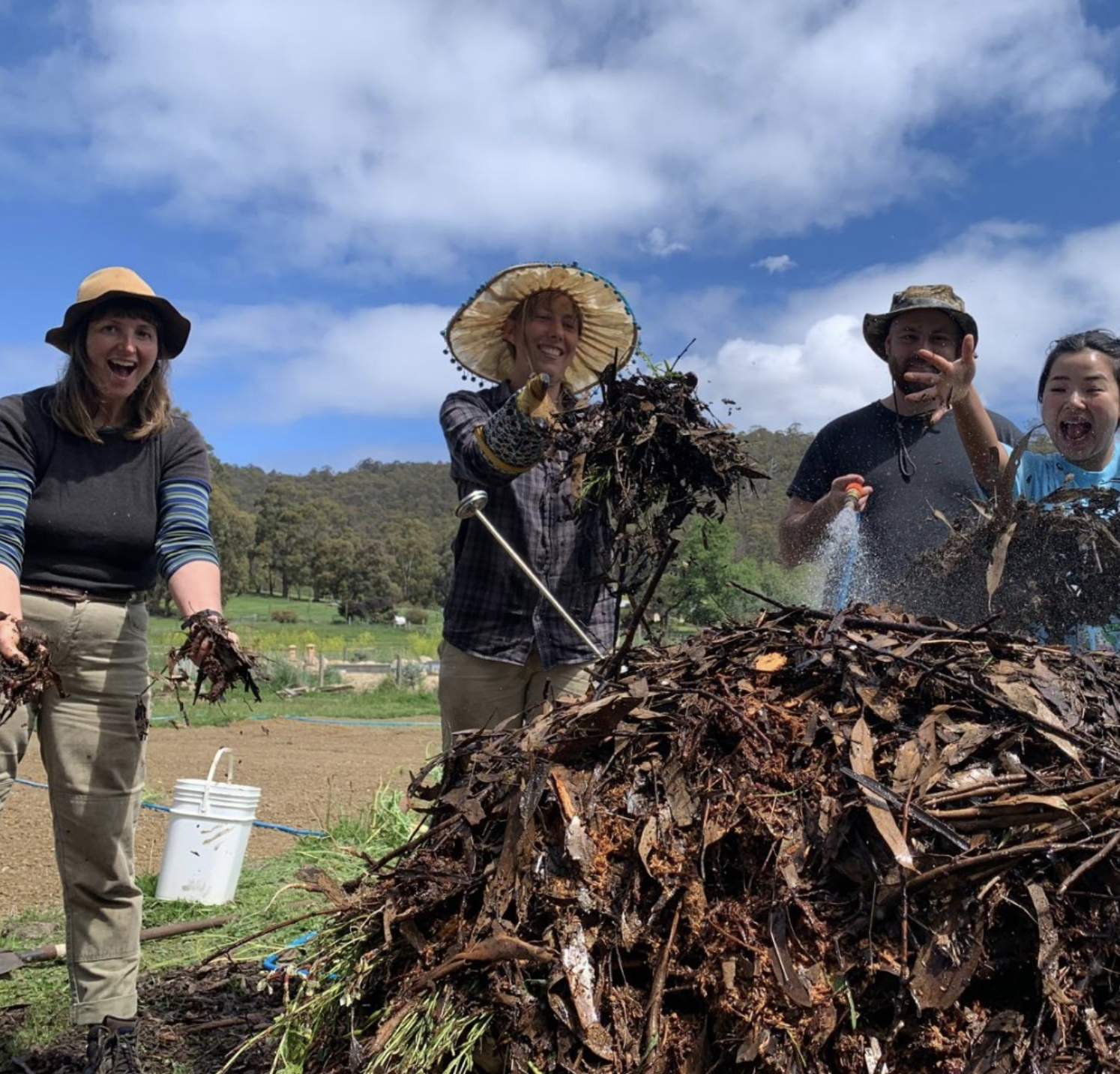
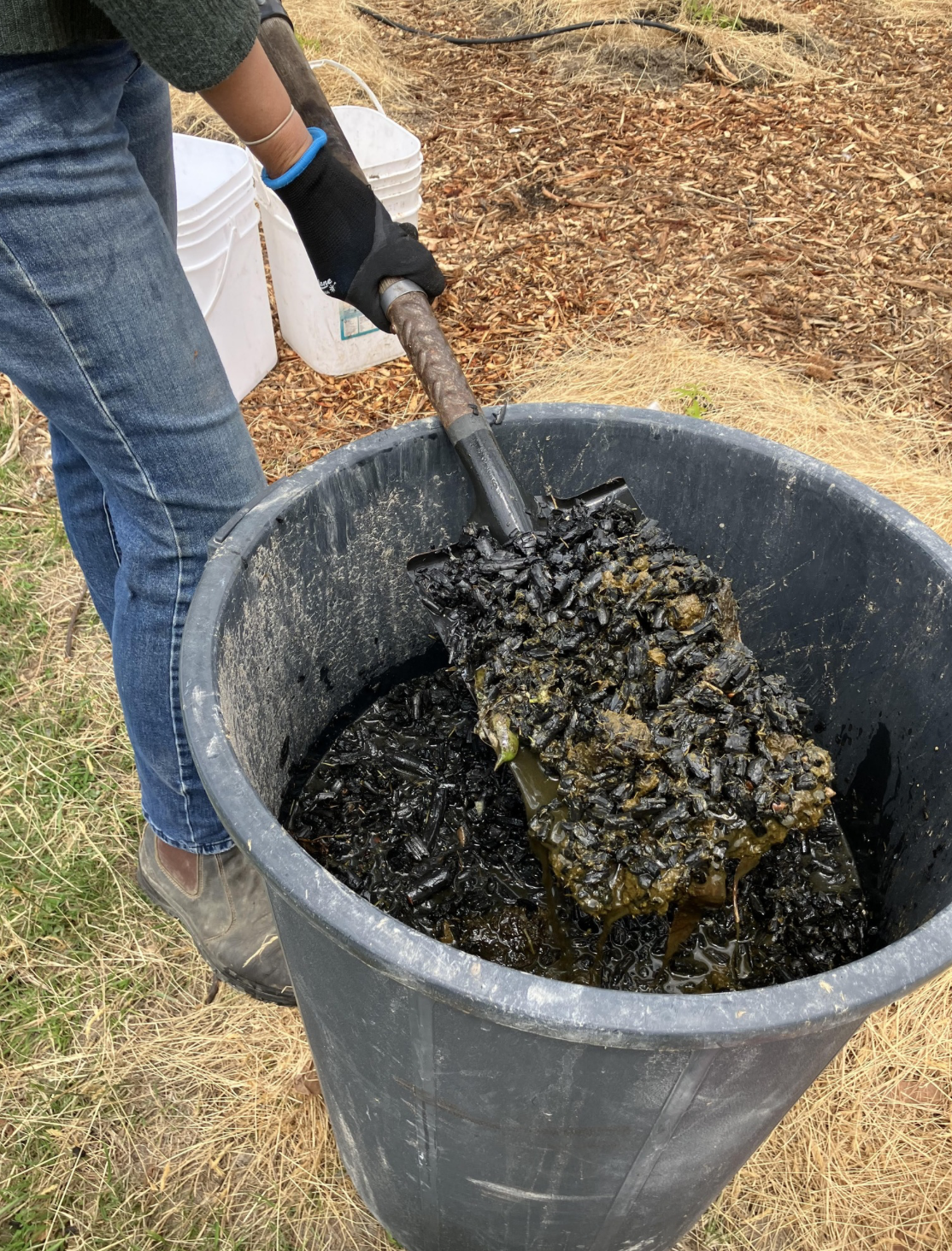
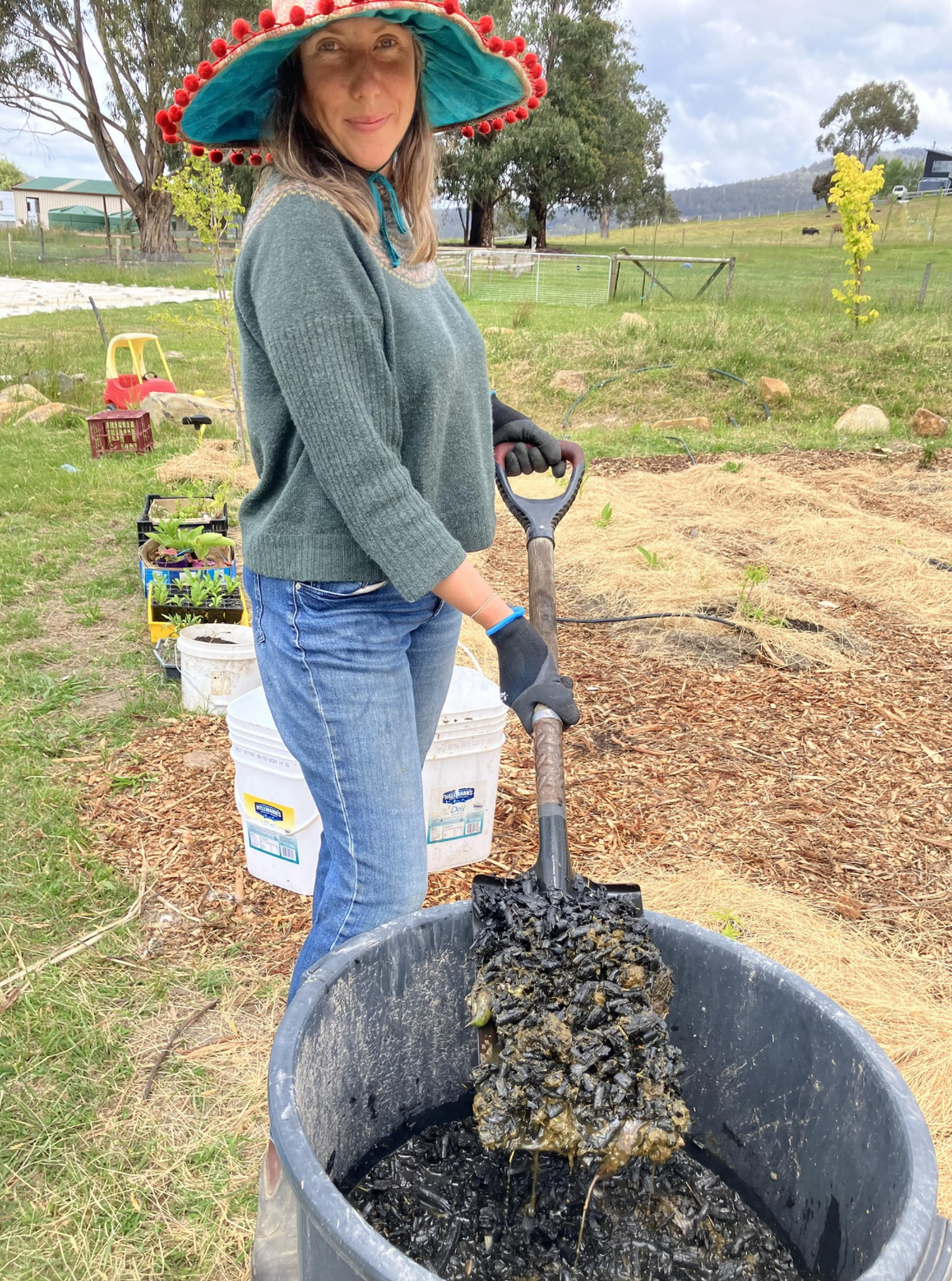
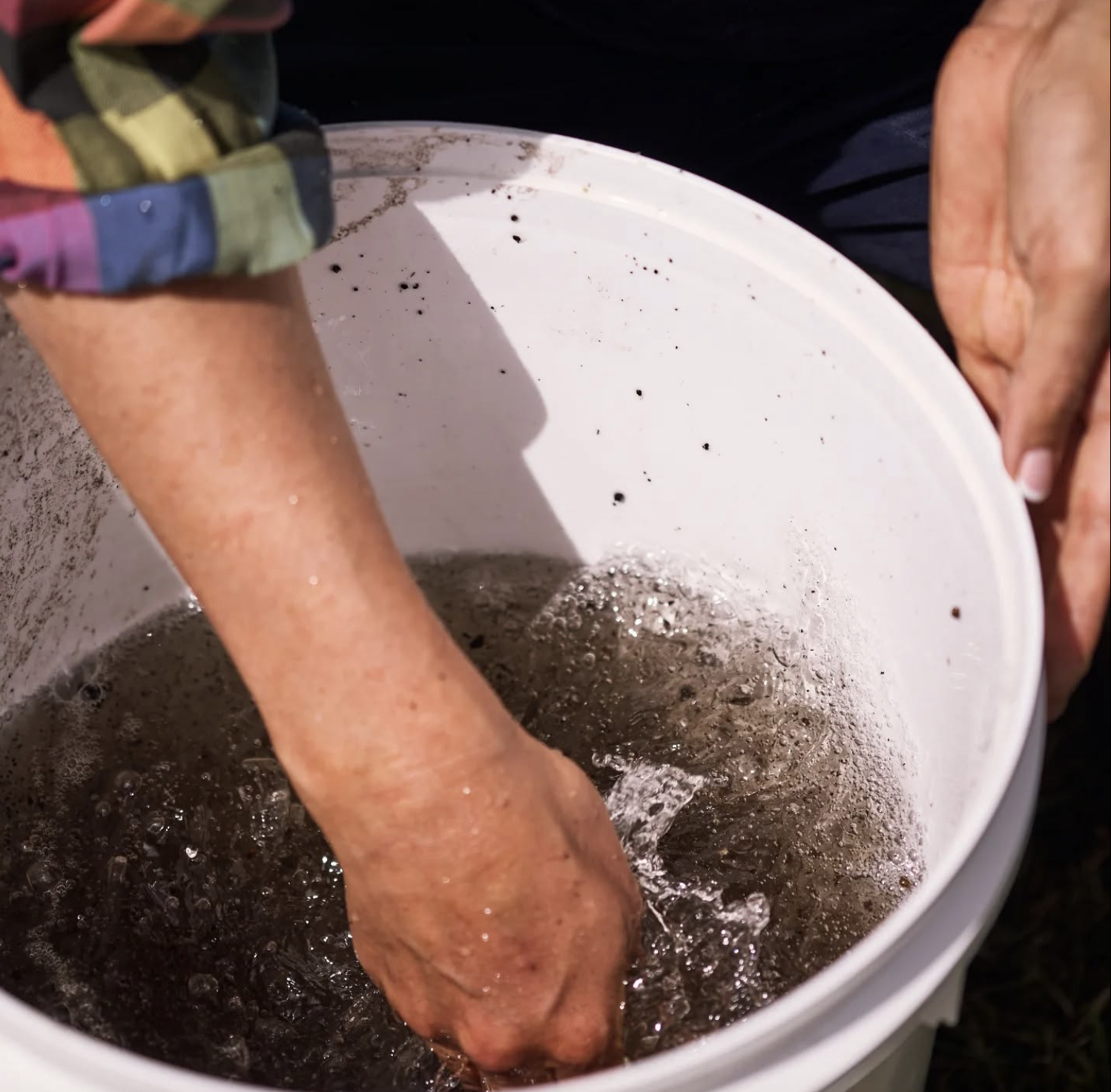
• biodynamic compost and preparations
• seed saving and crop diversity
• soil regeneration and habitat creation
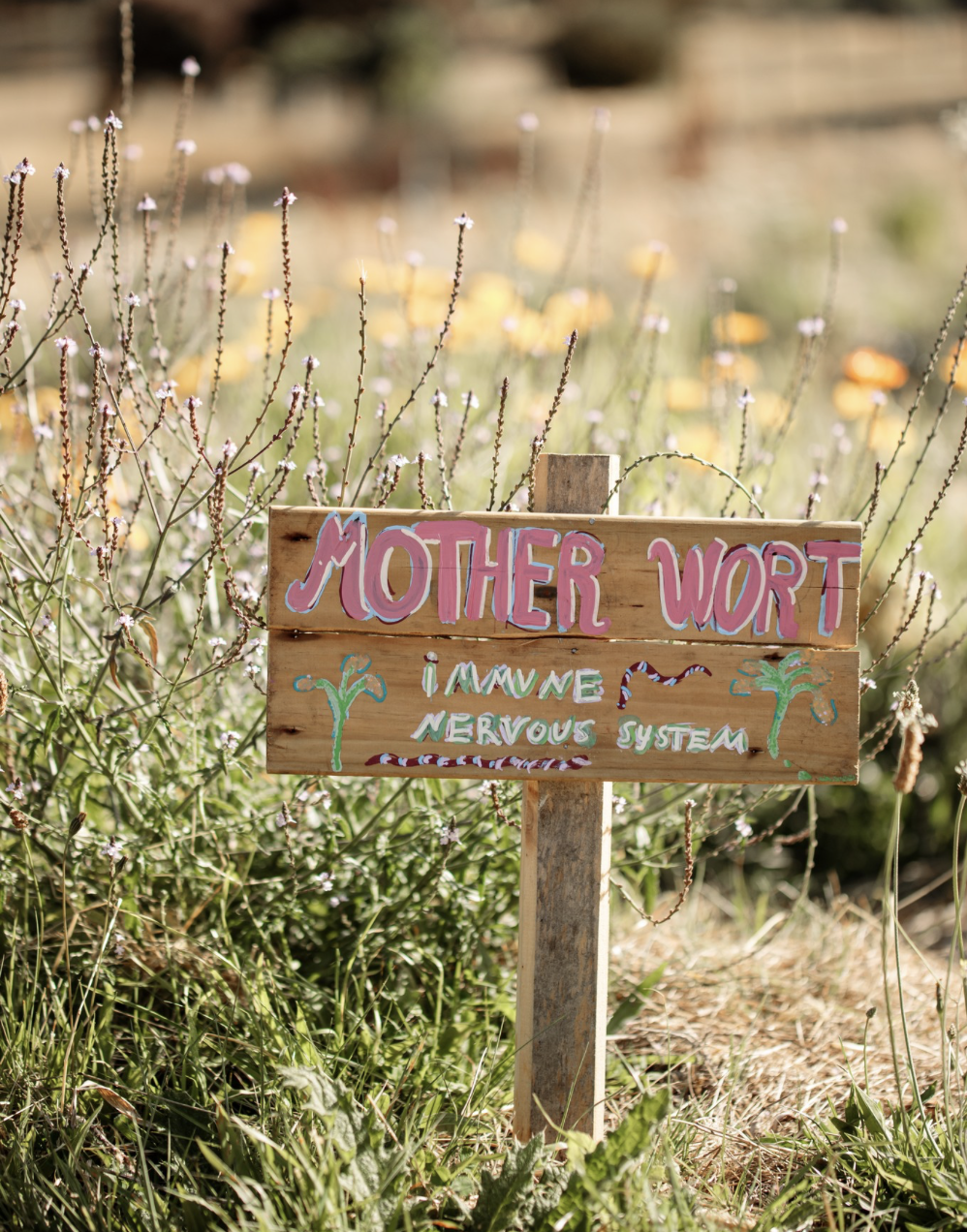
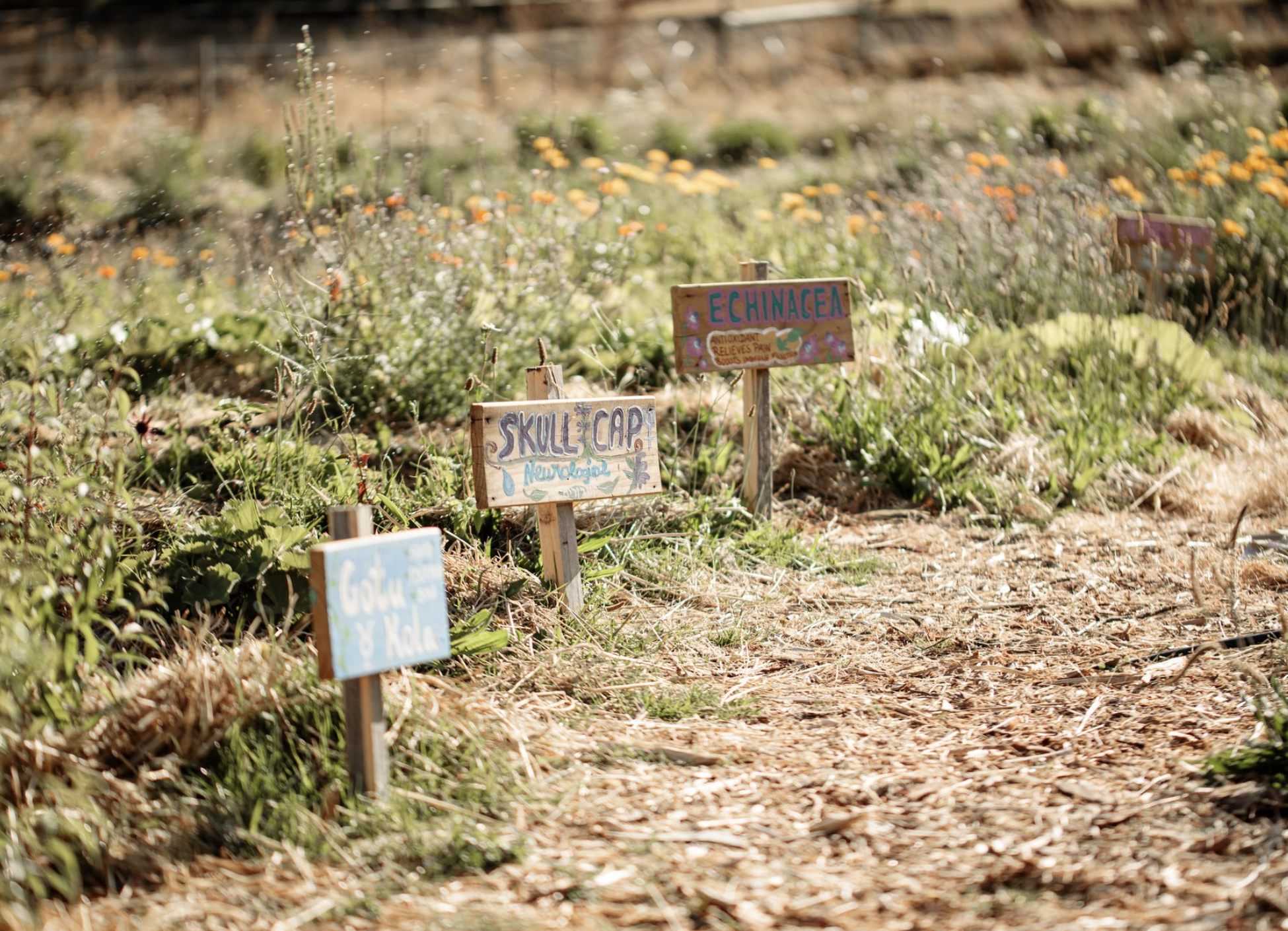
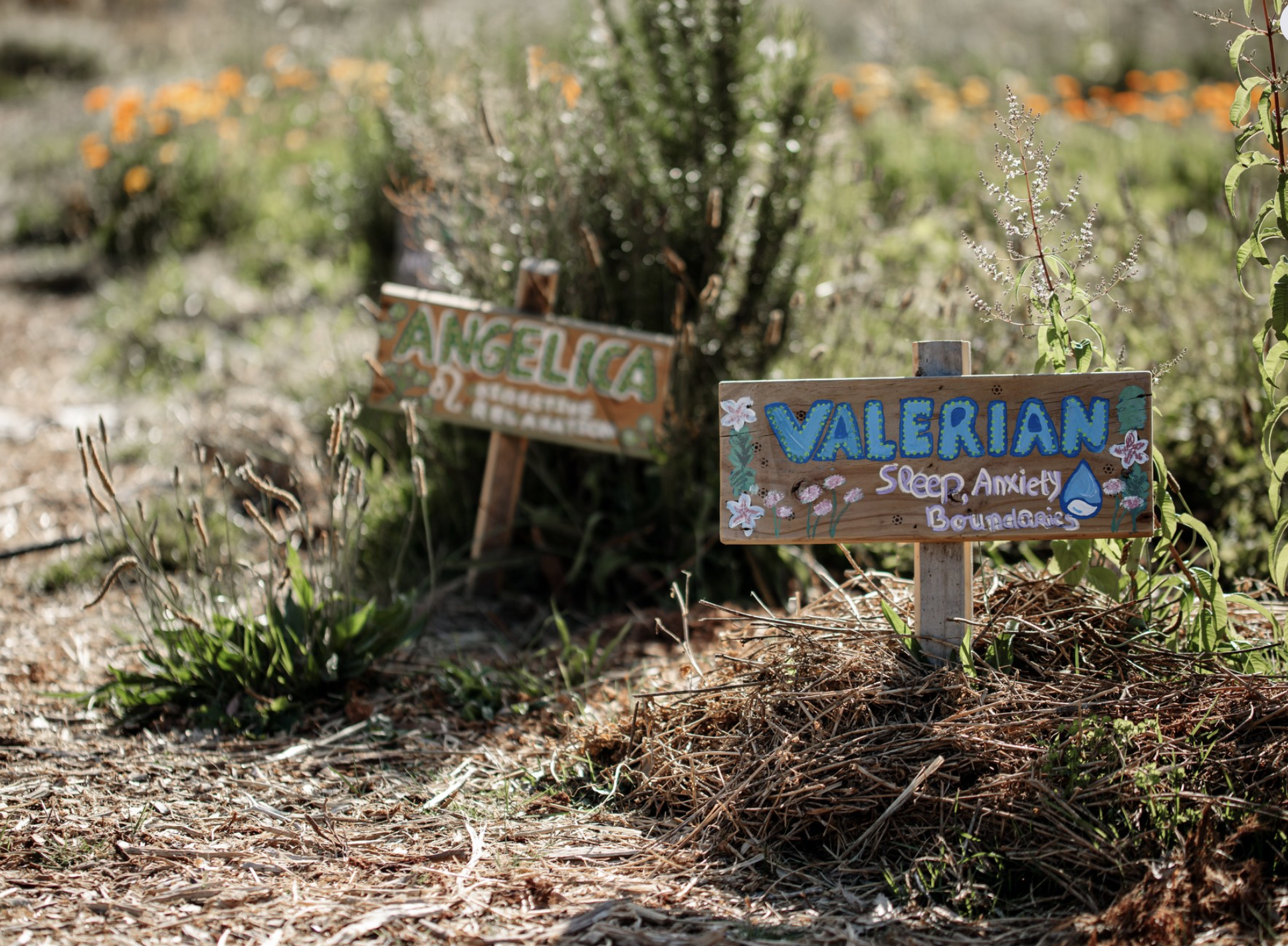
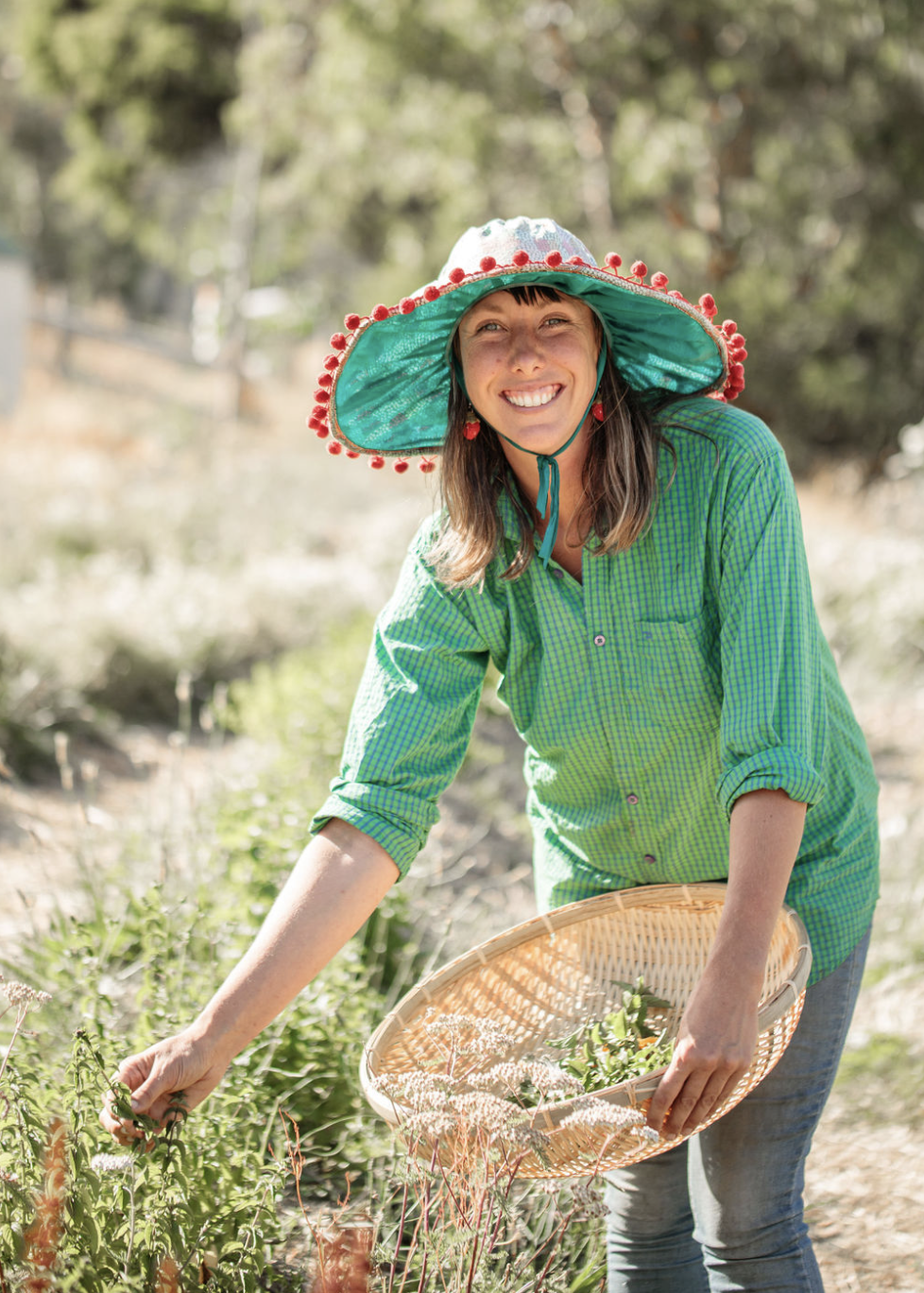
• cultivation of medicinal and culinary plants
• observation of seasonal and planetary rhythms
These practices are carried out at a small scale, with the intention of building long-term soil fertility, community & ecological balance.
Seeds, crops, and community exchange
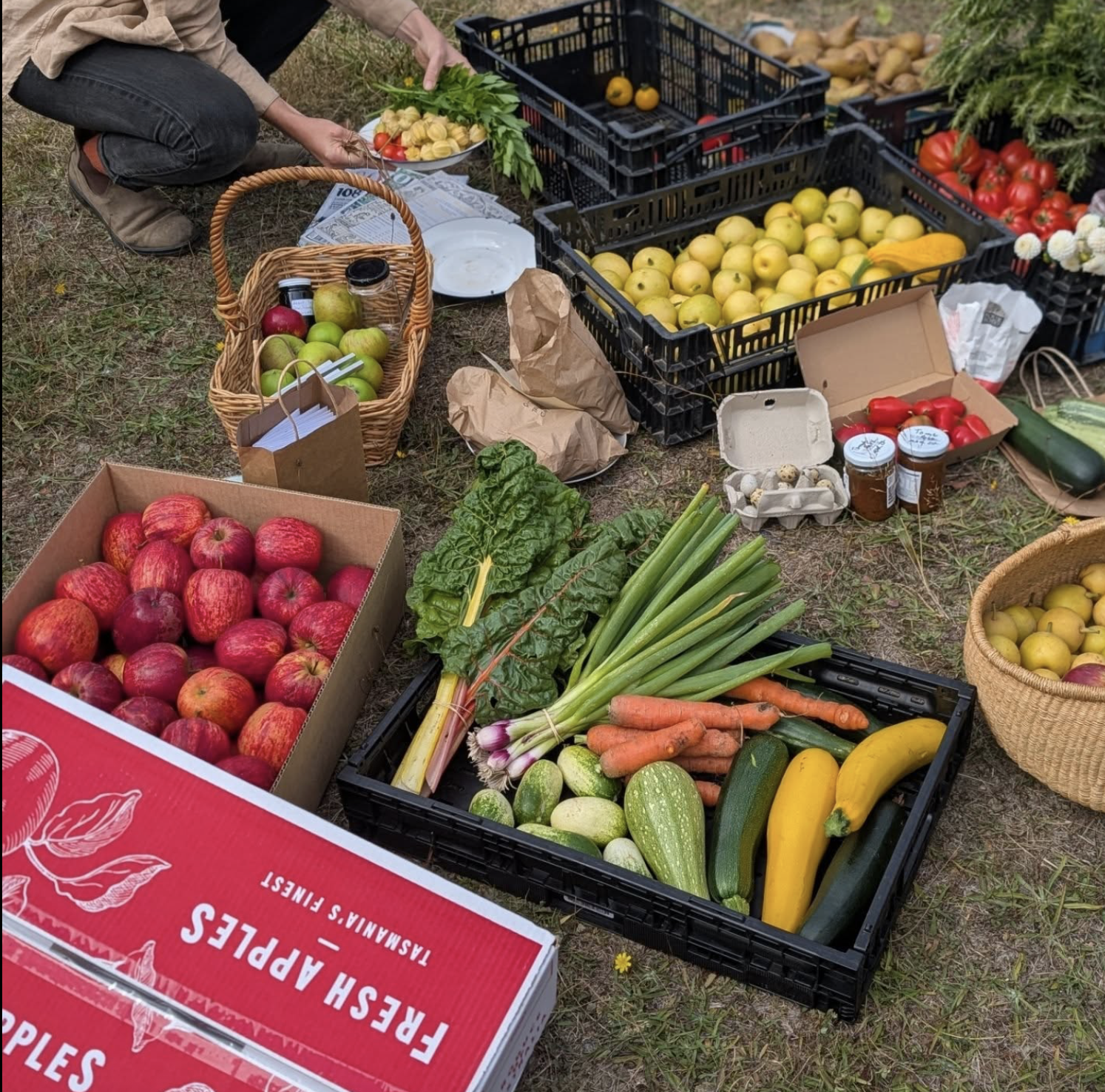
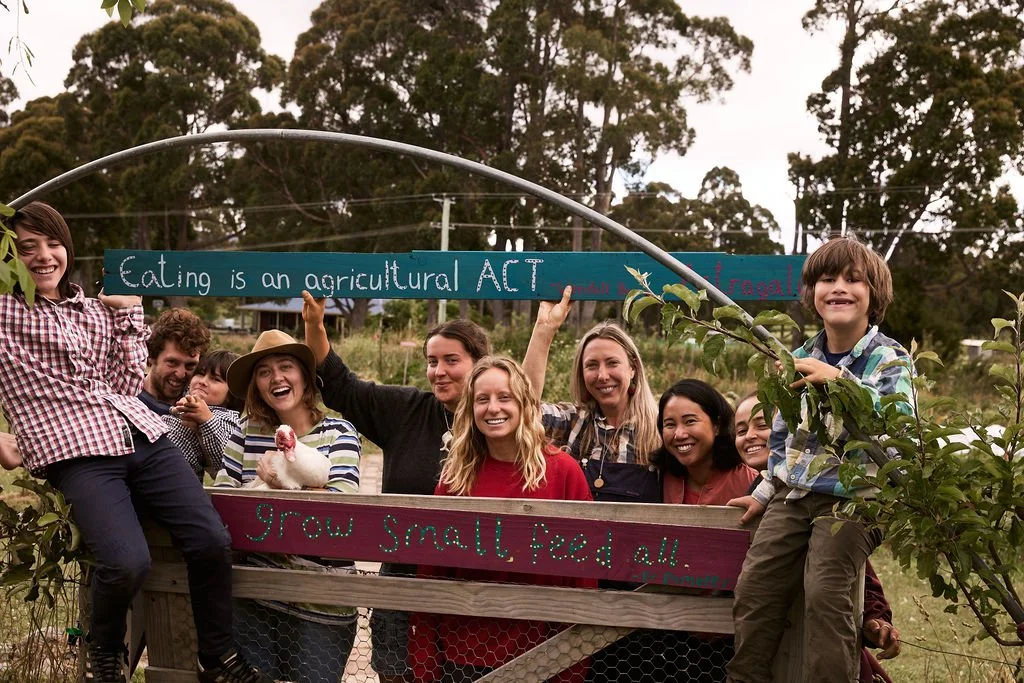
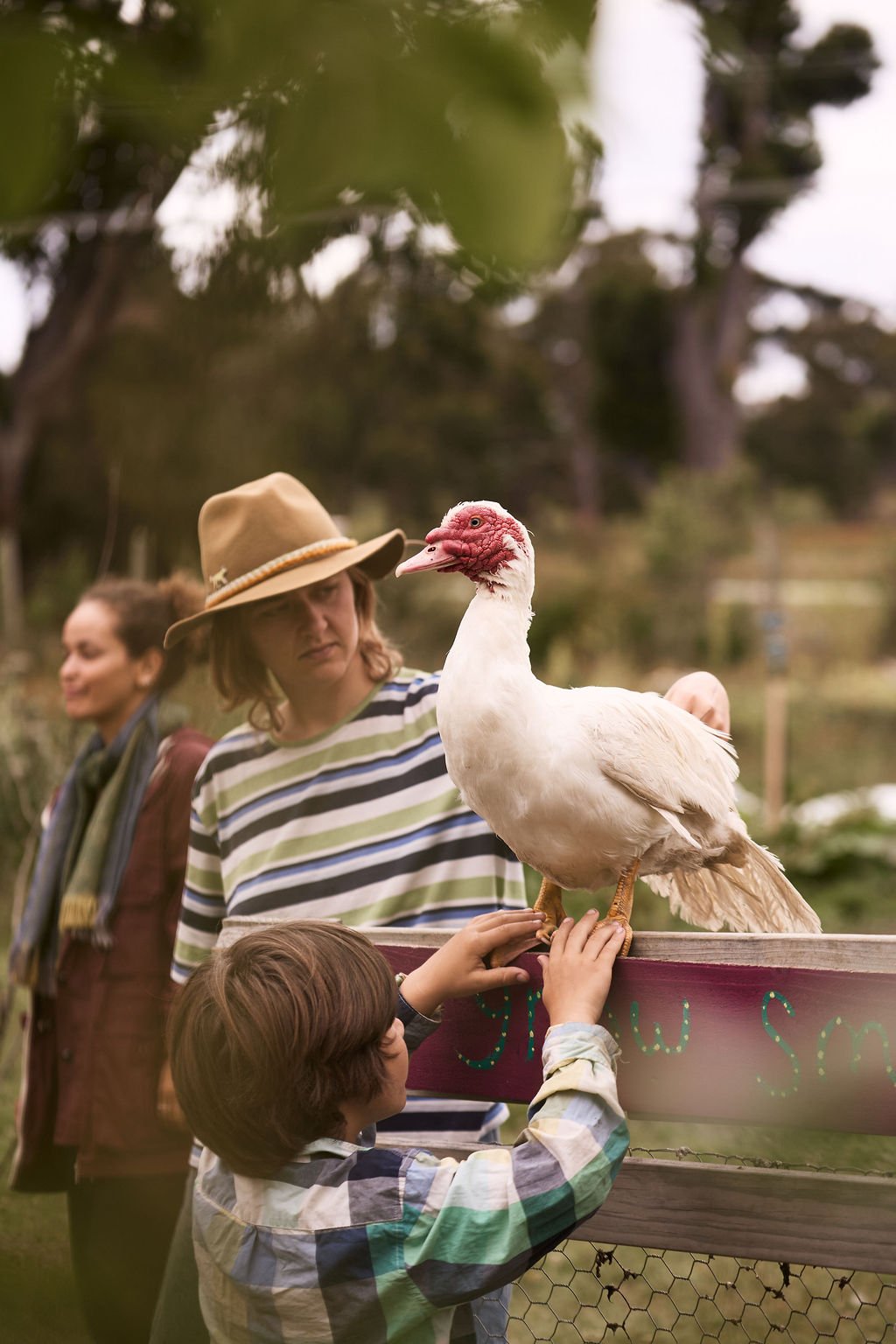
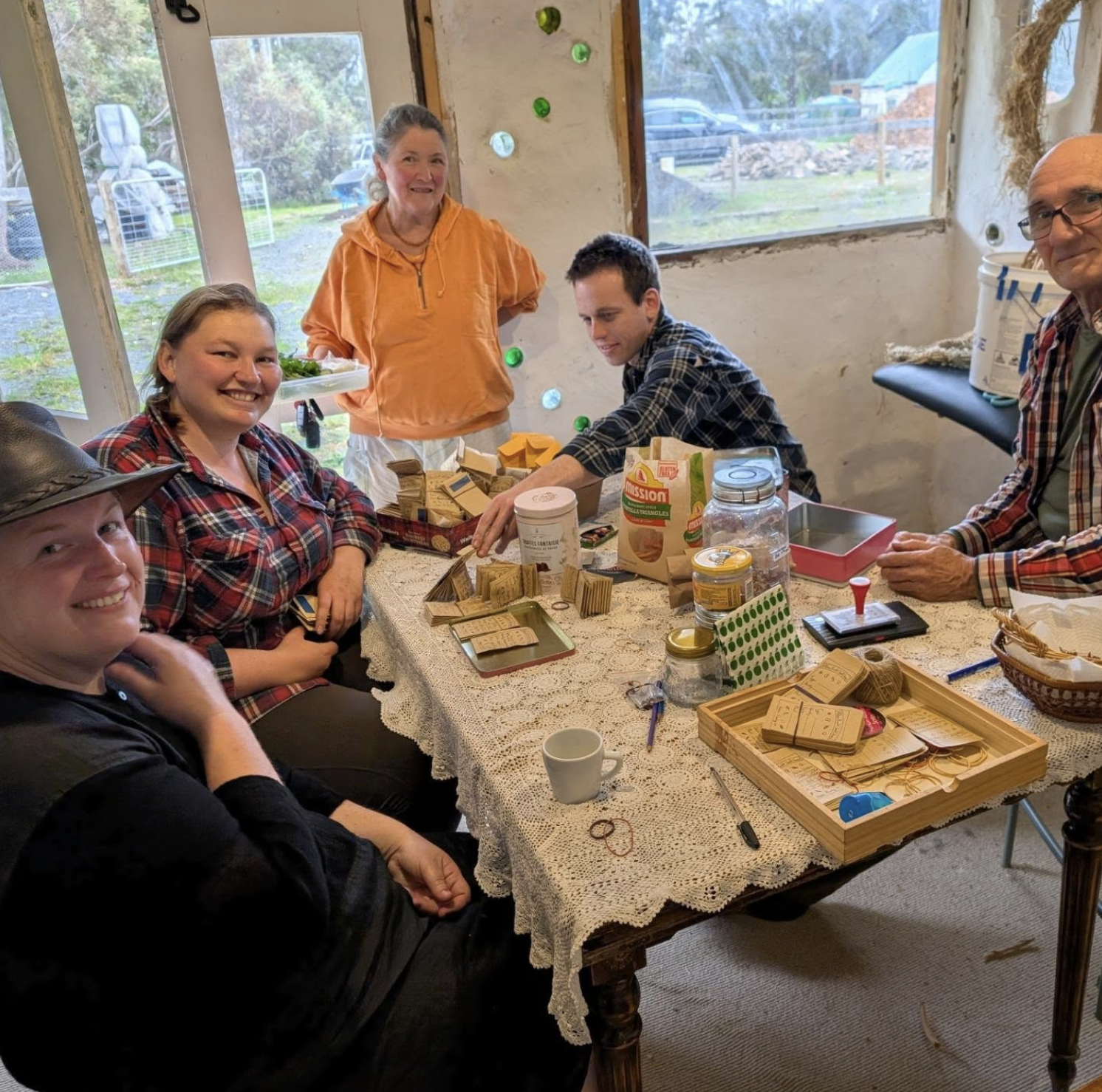
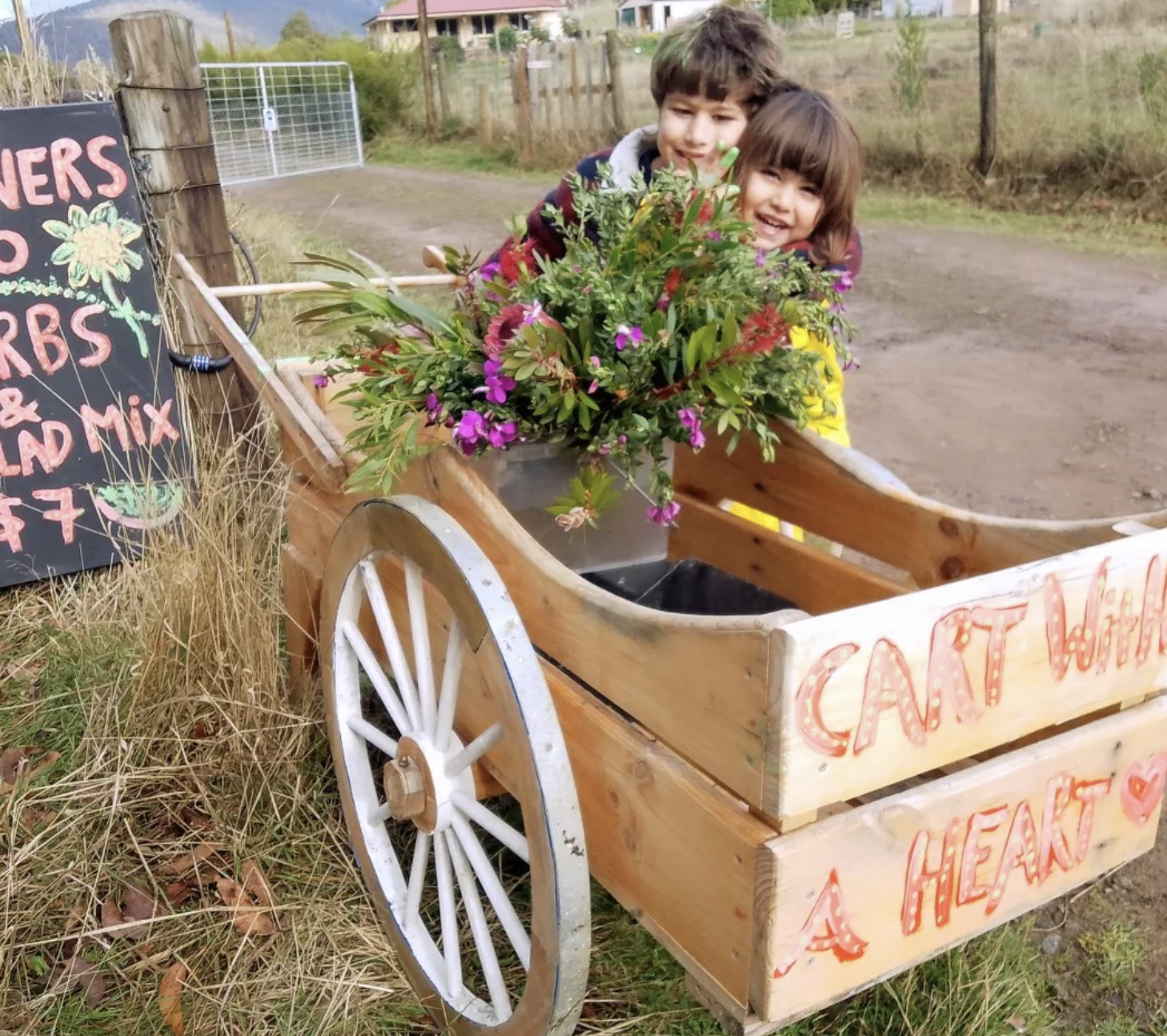
As the gardens matured, the farm also became a place where seeds and plants could circulate through the community.
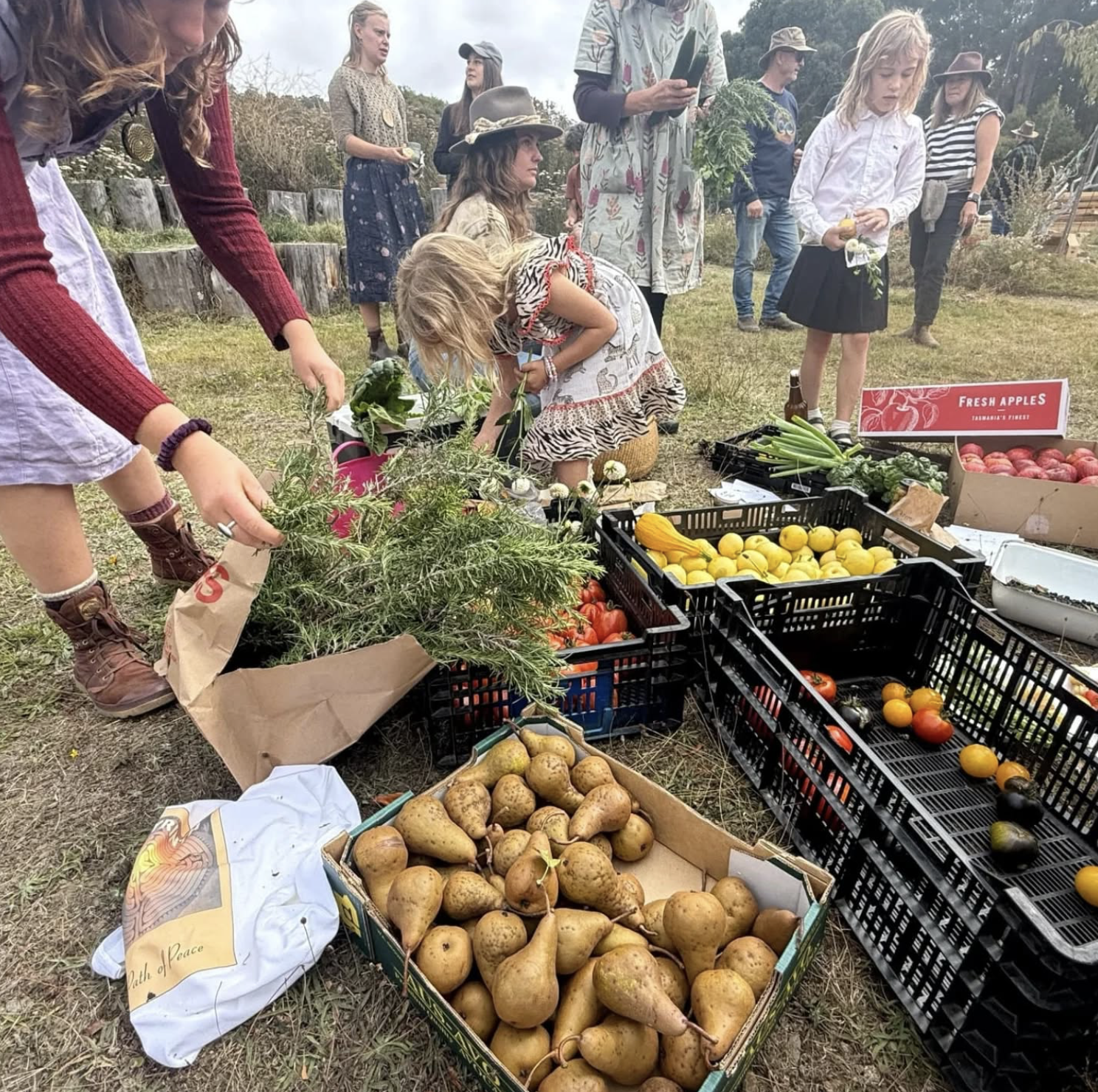
From this work emerged a seed library and crop swap, enabling growers across the Valley to exchange seeds, share surplus harvests, and maintain locally adapted plant varieties.
These simple initiatives helped strengthen relationships between small growers and contributed to the wider culture of local food growing within the region.
Community gatherings
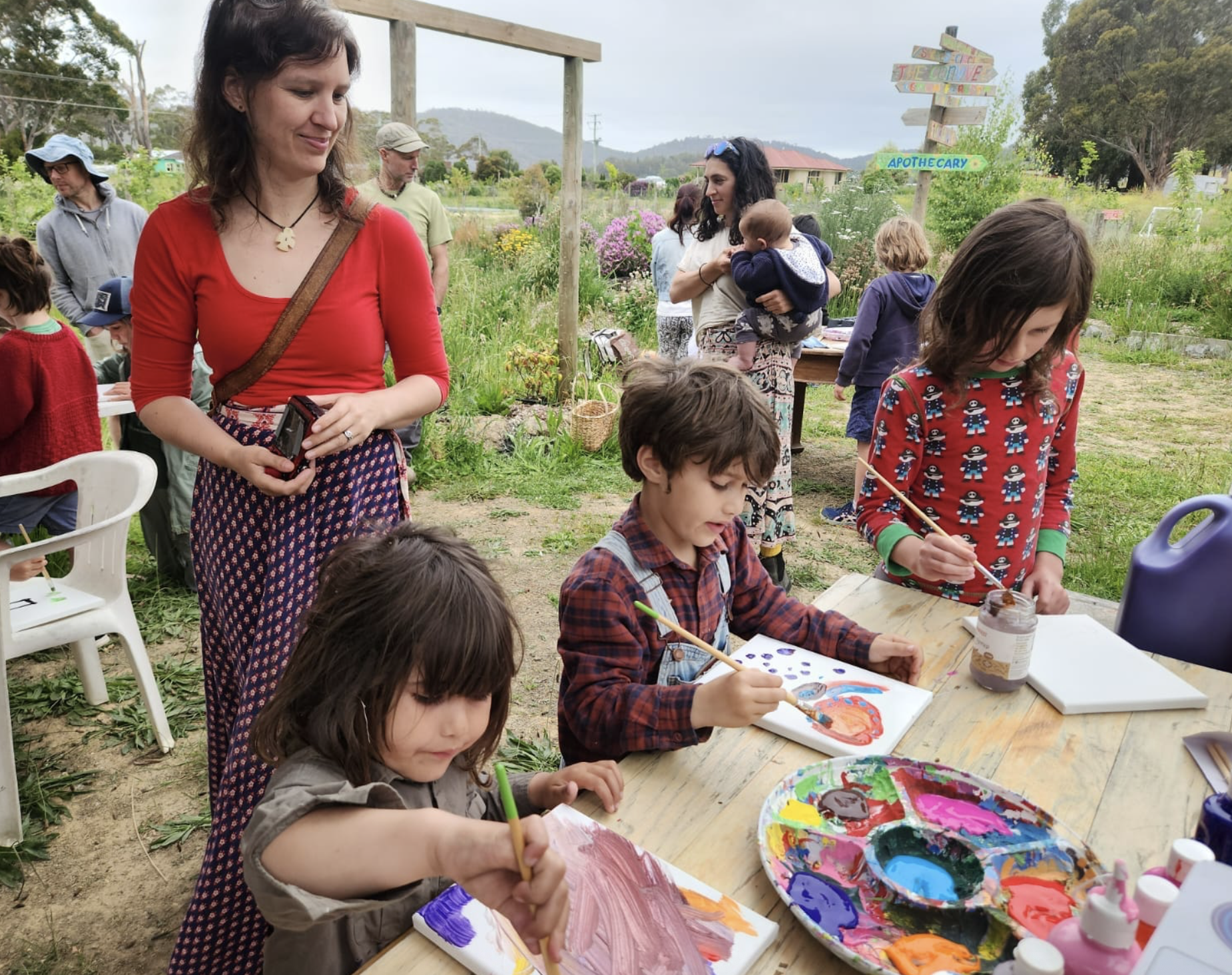
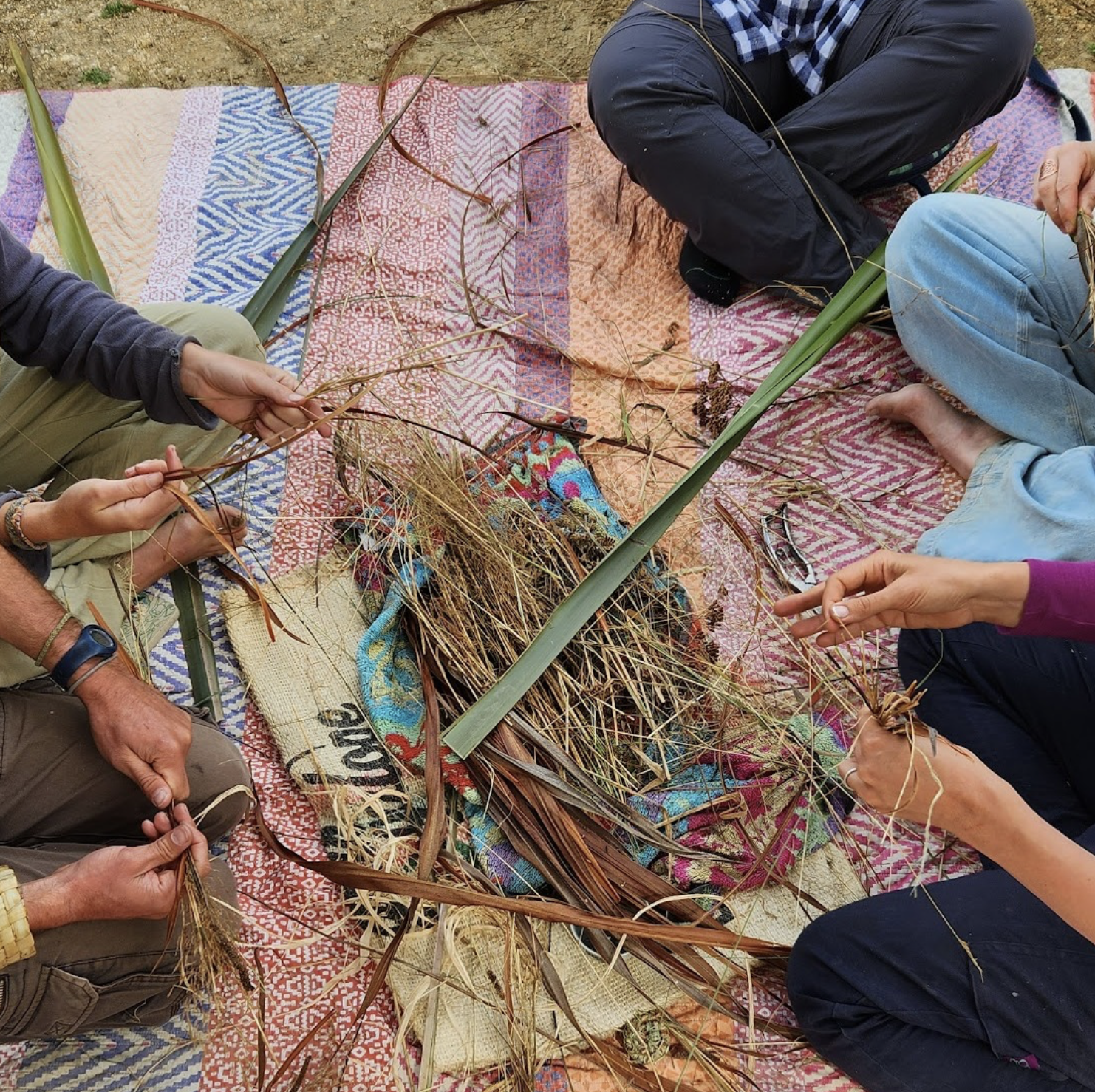
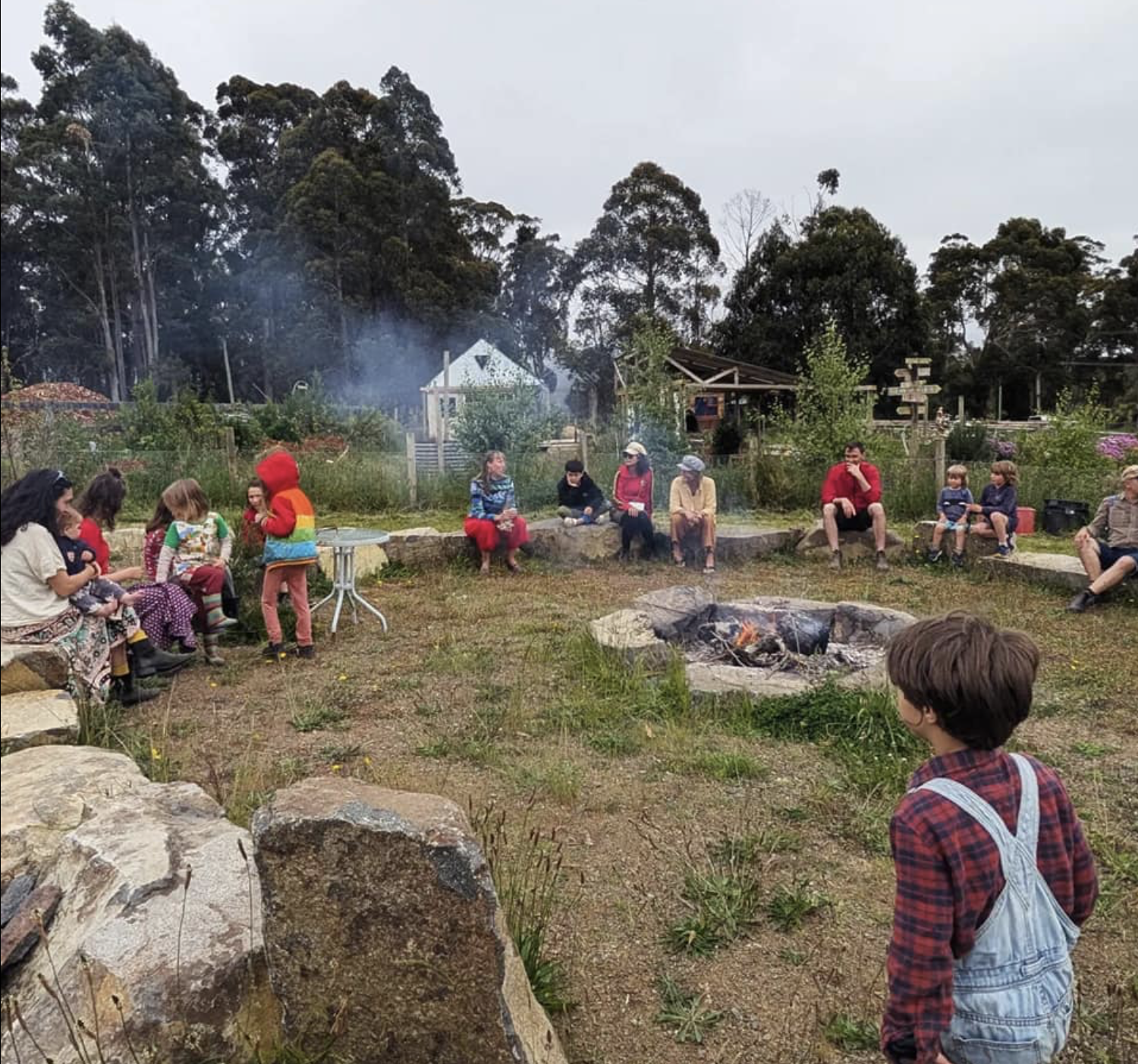
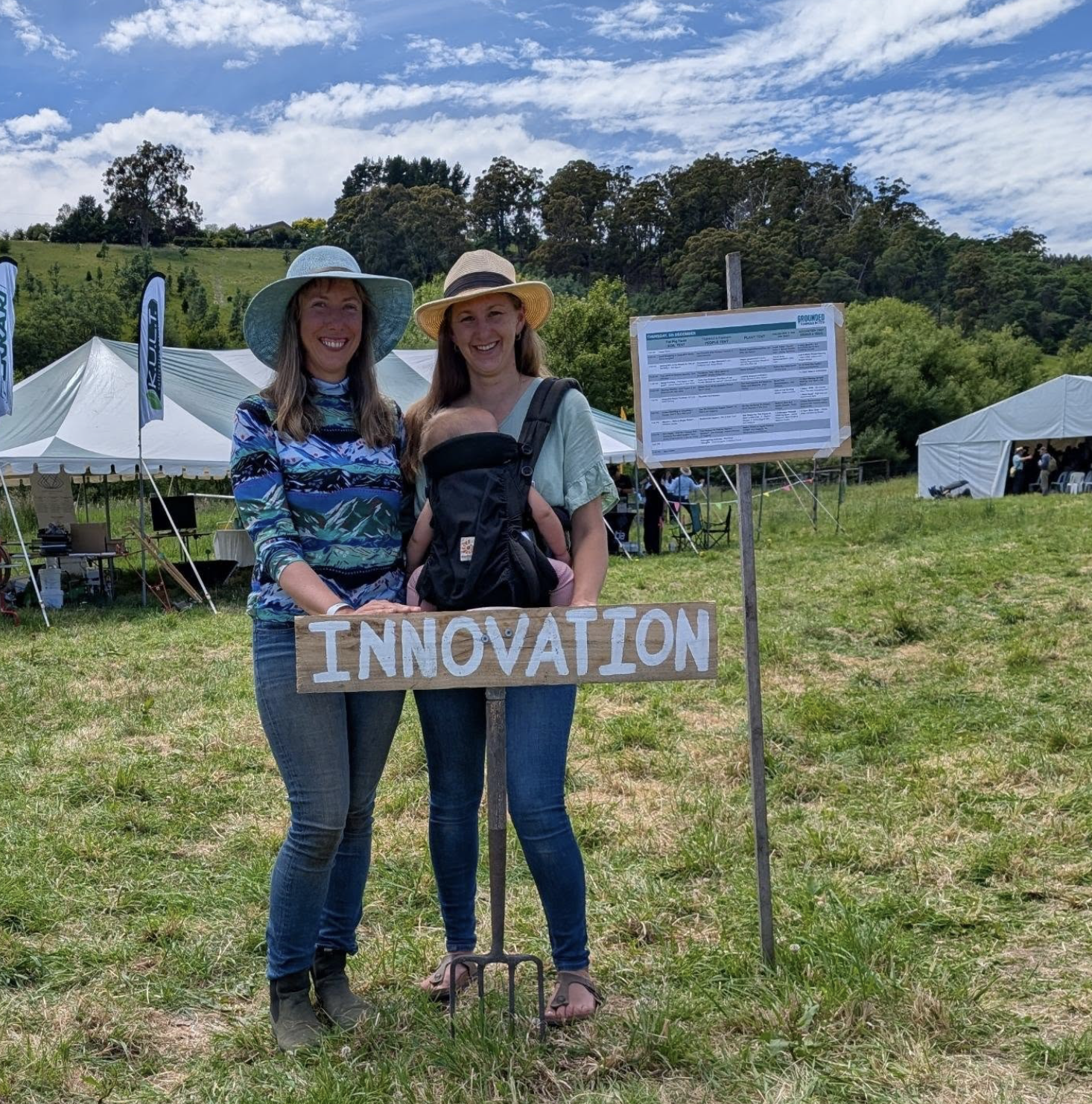
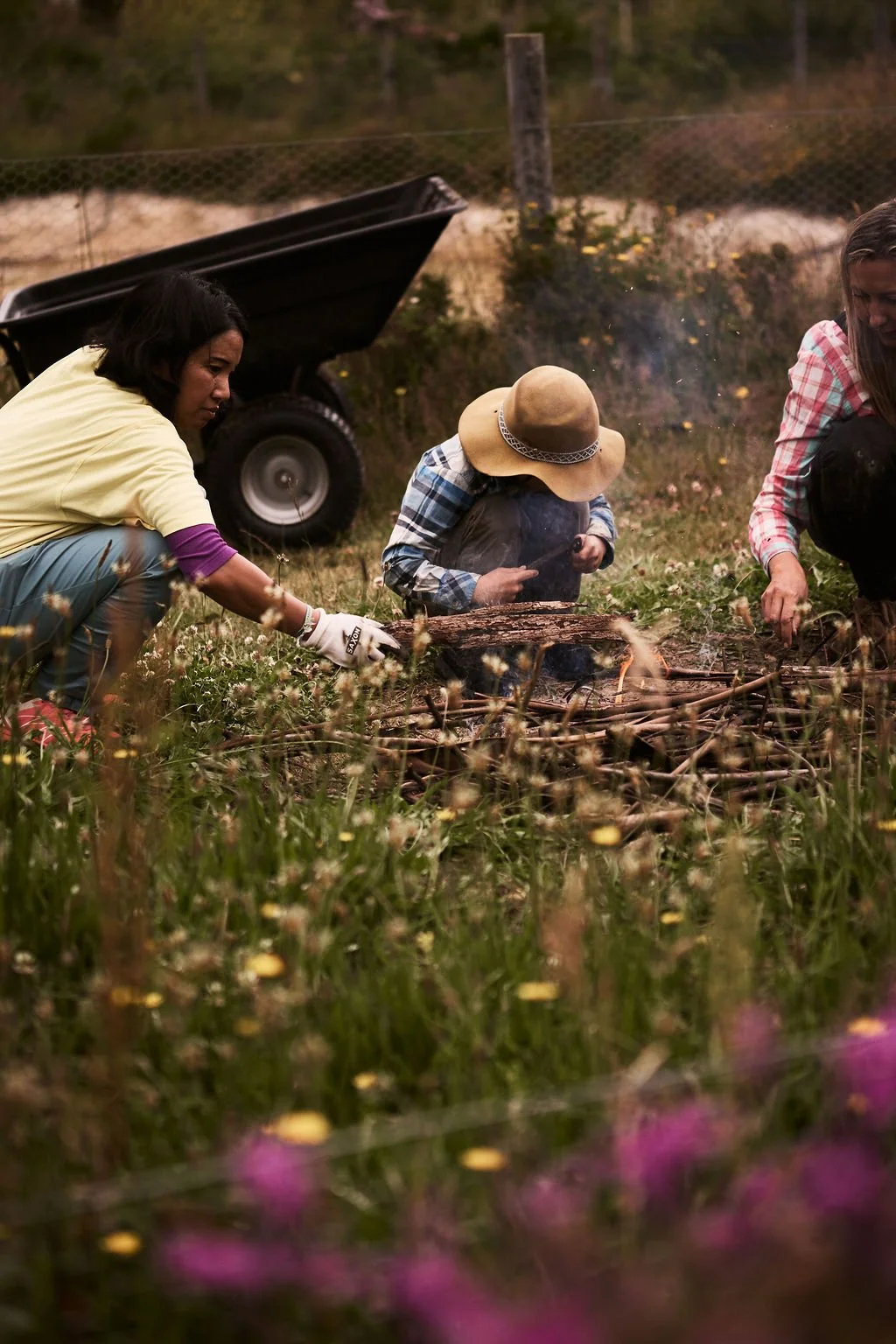
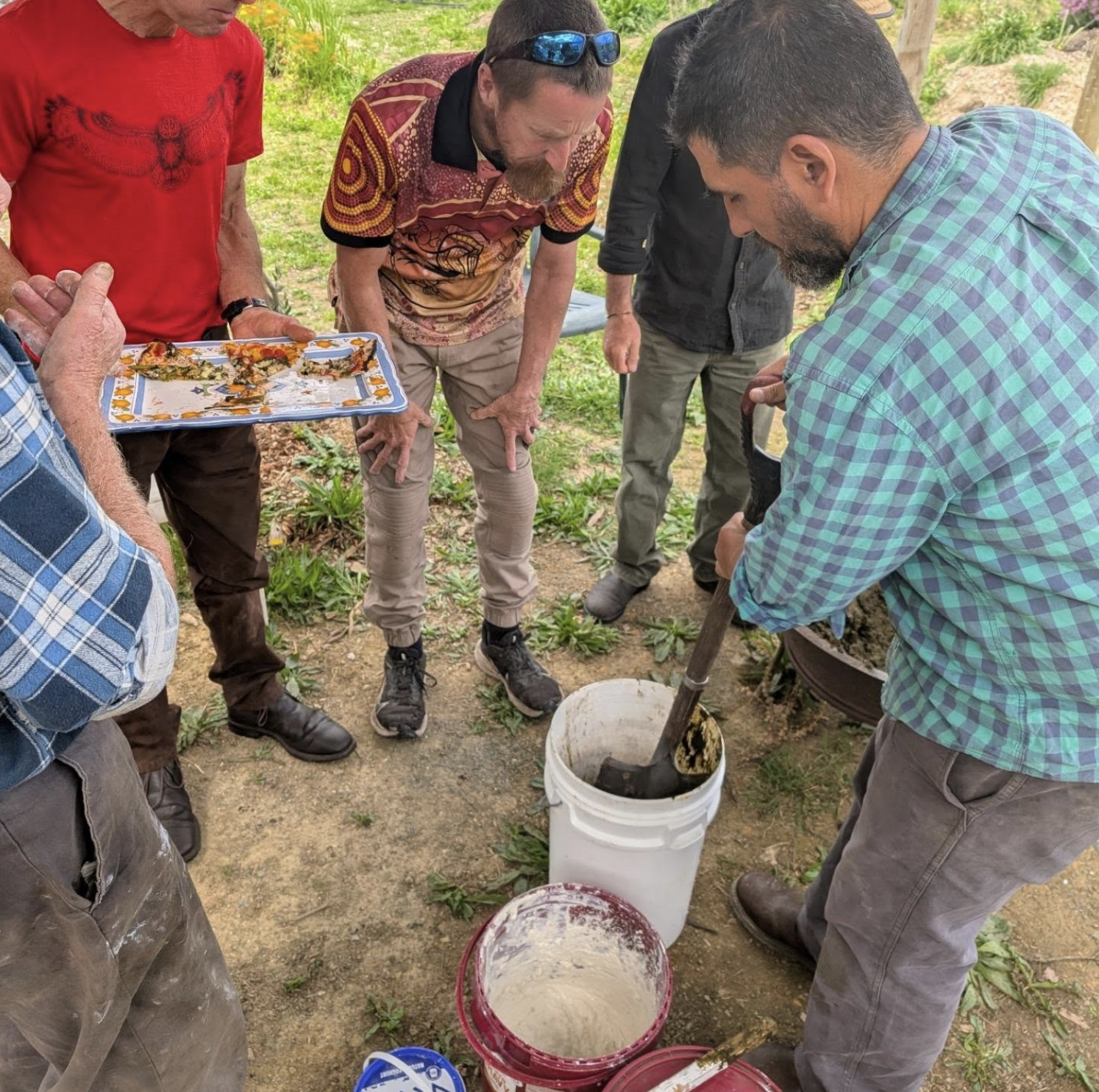
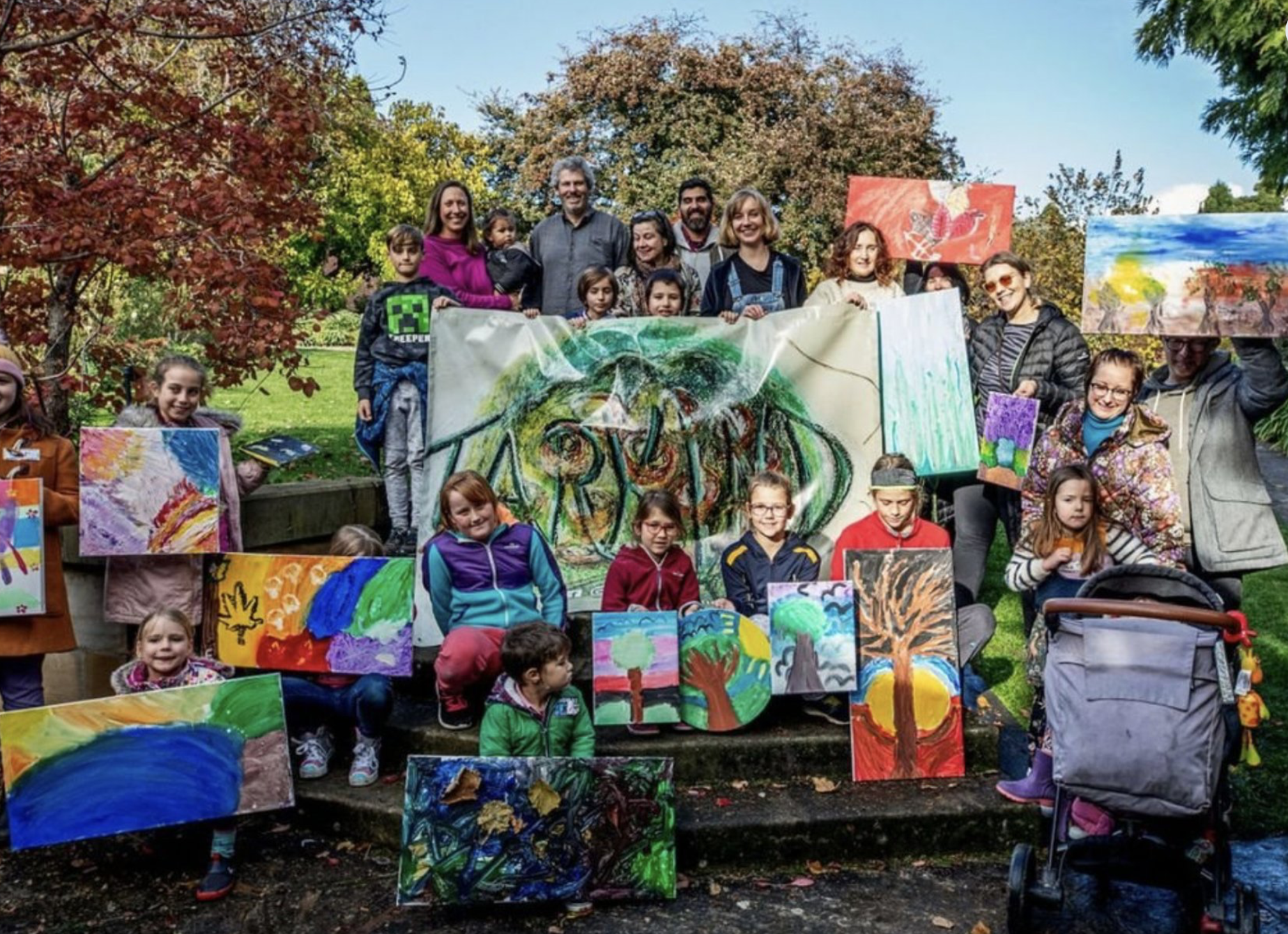
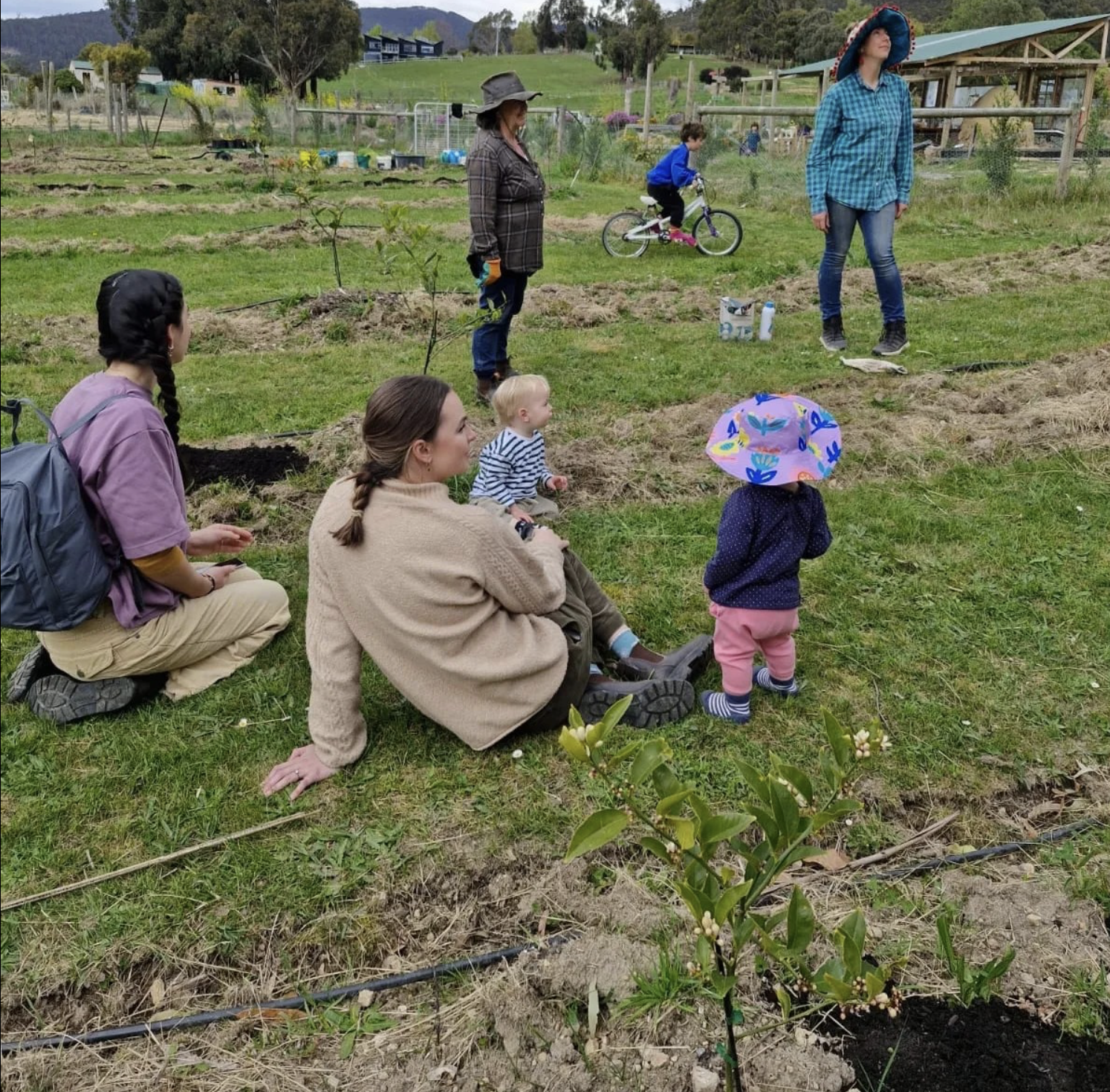
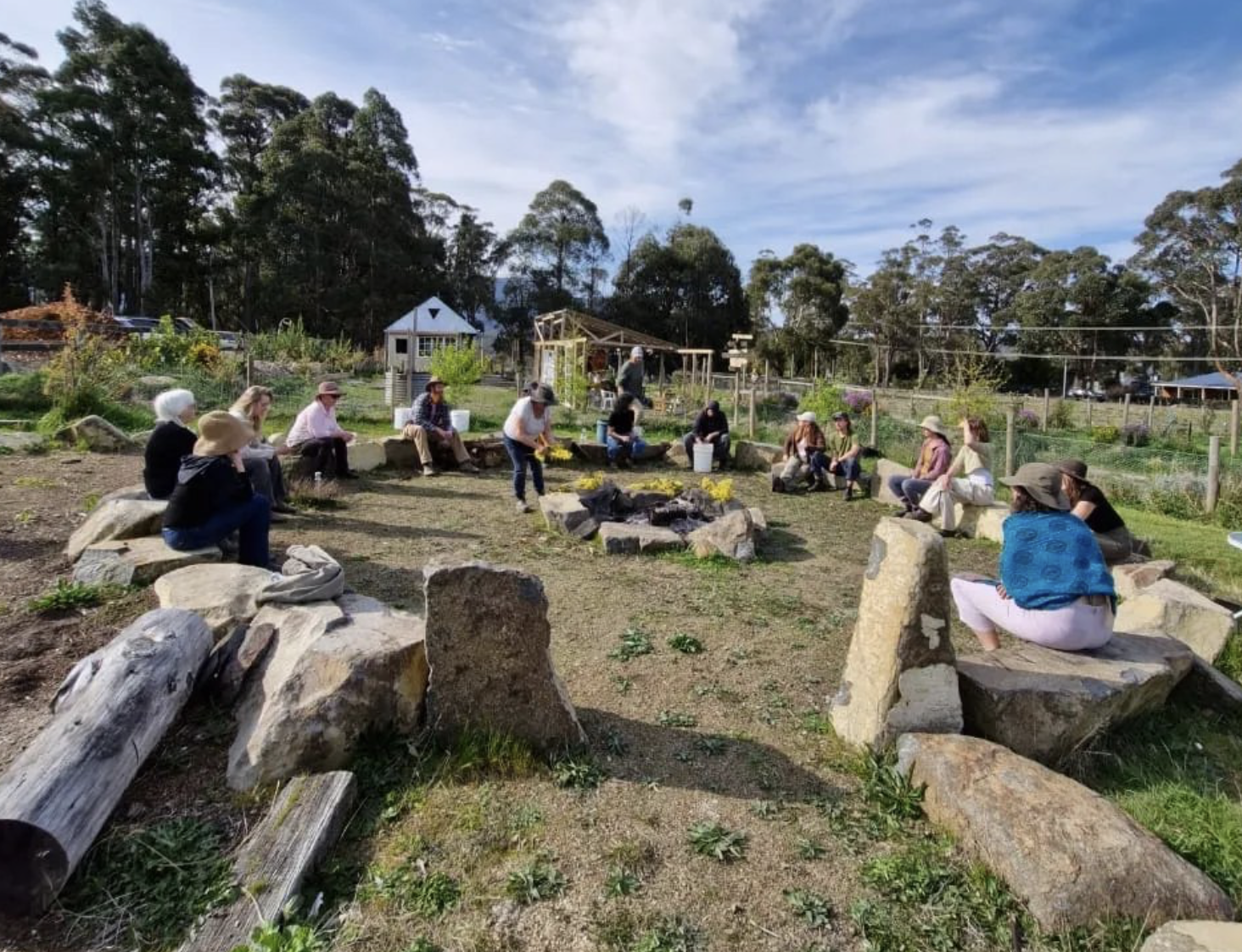
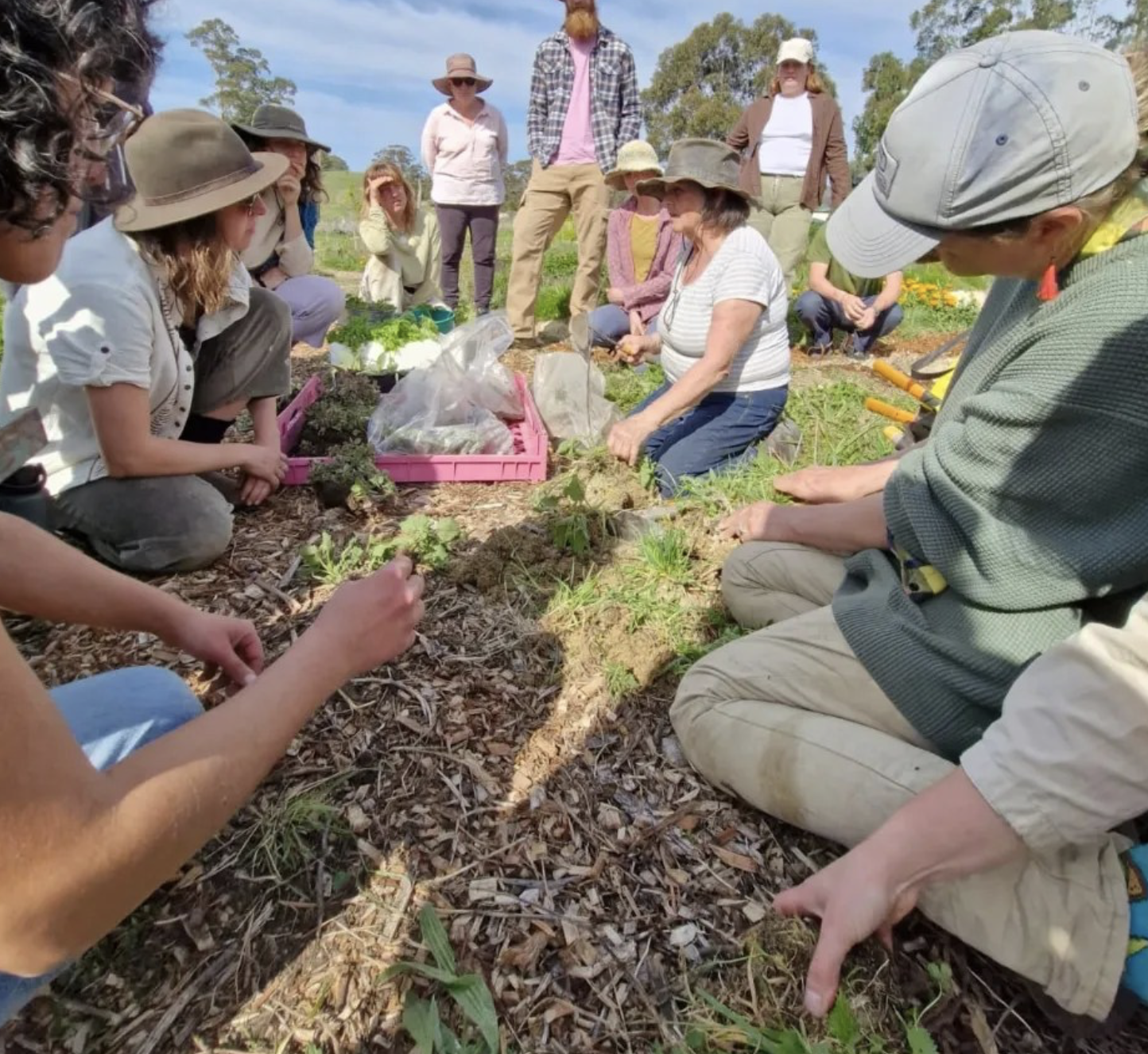
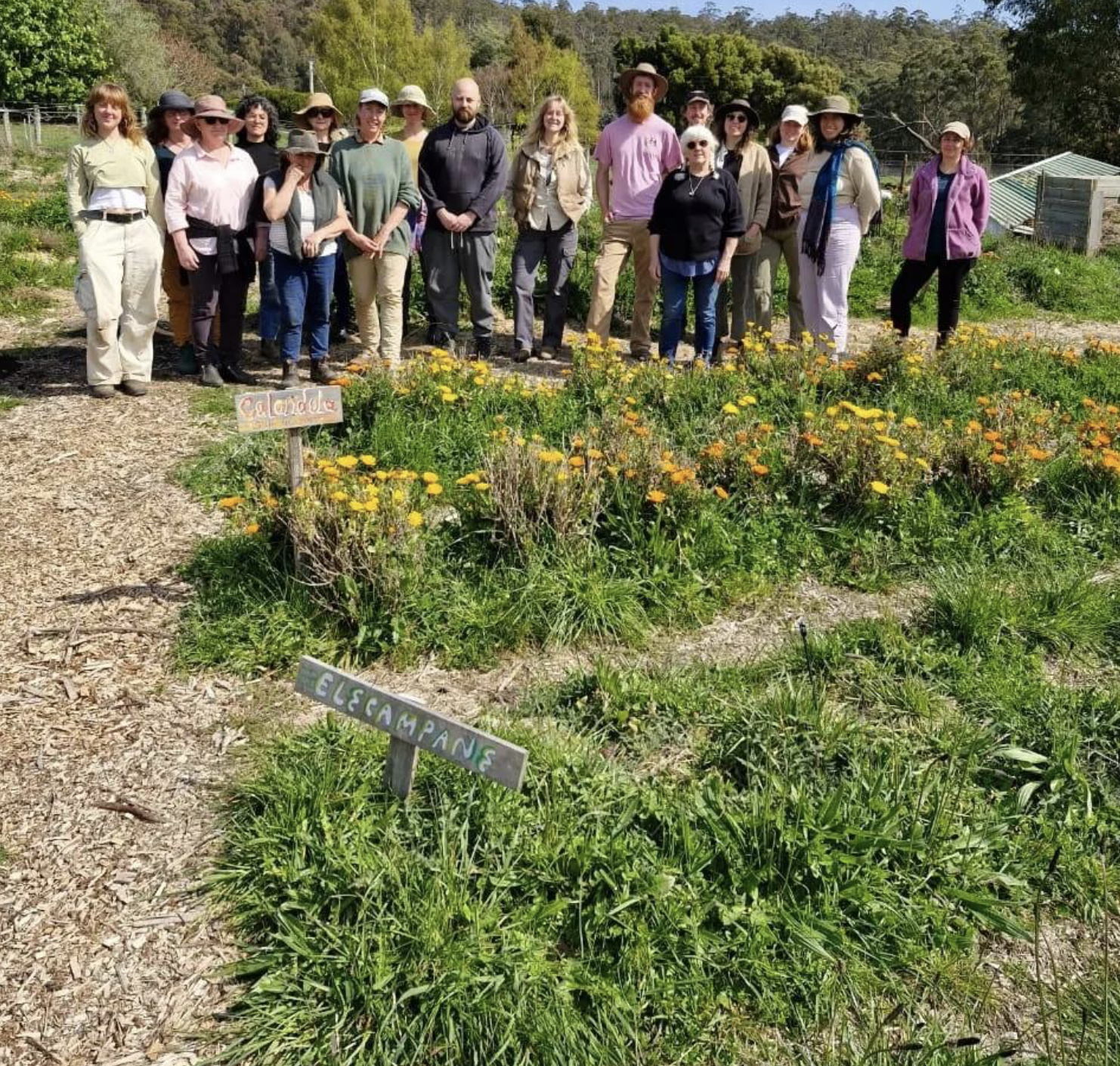
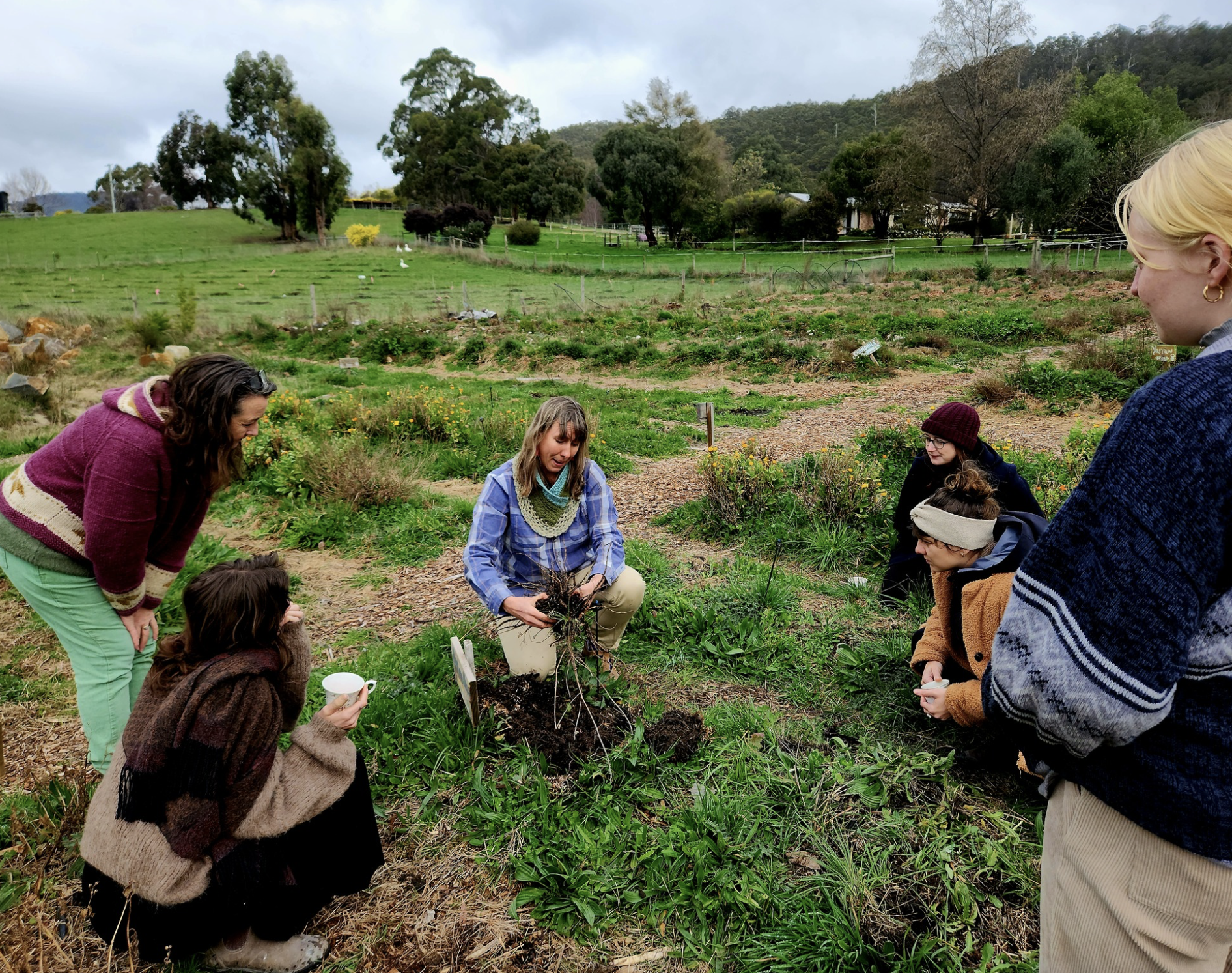
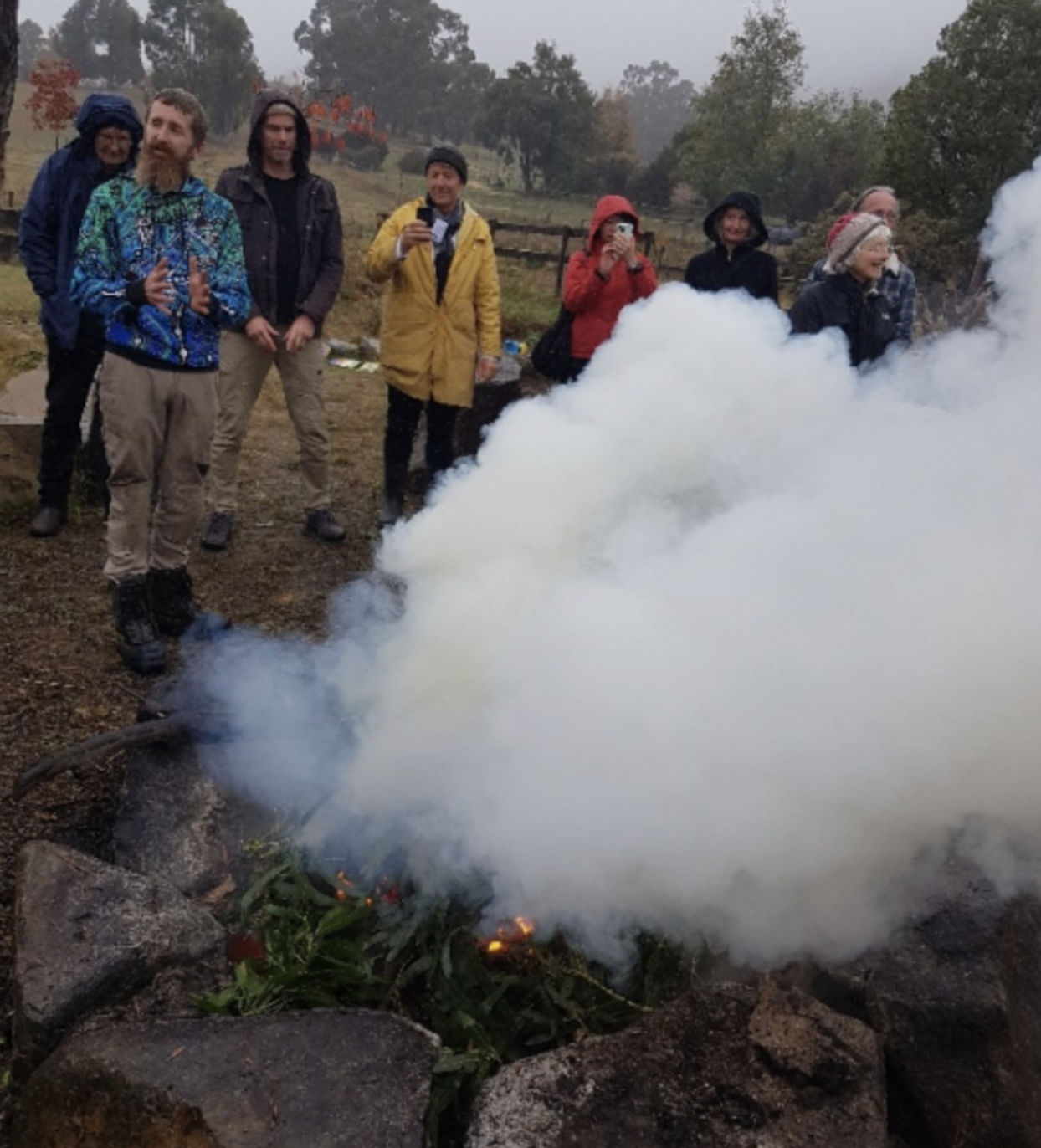
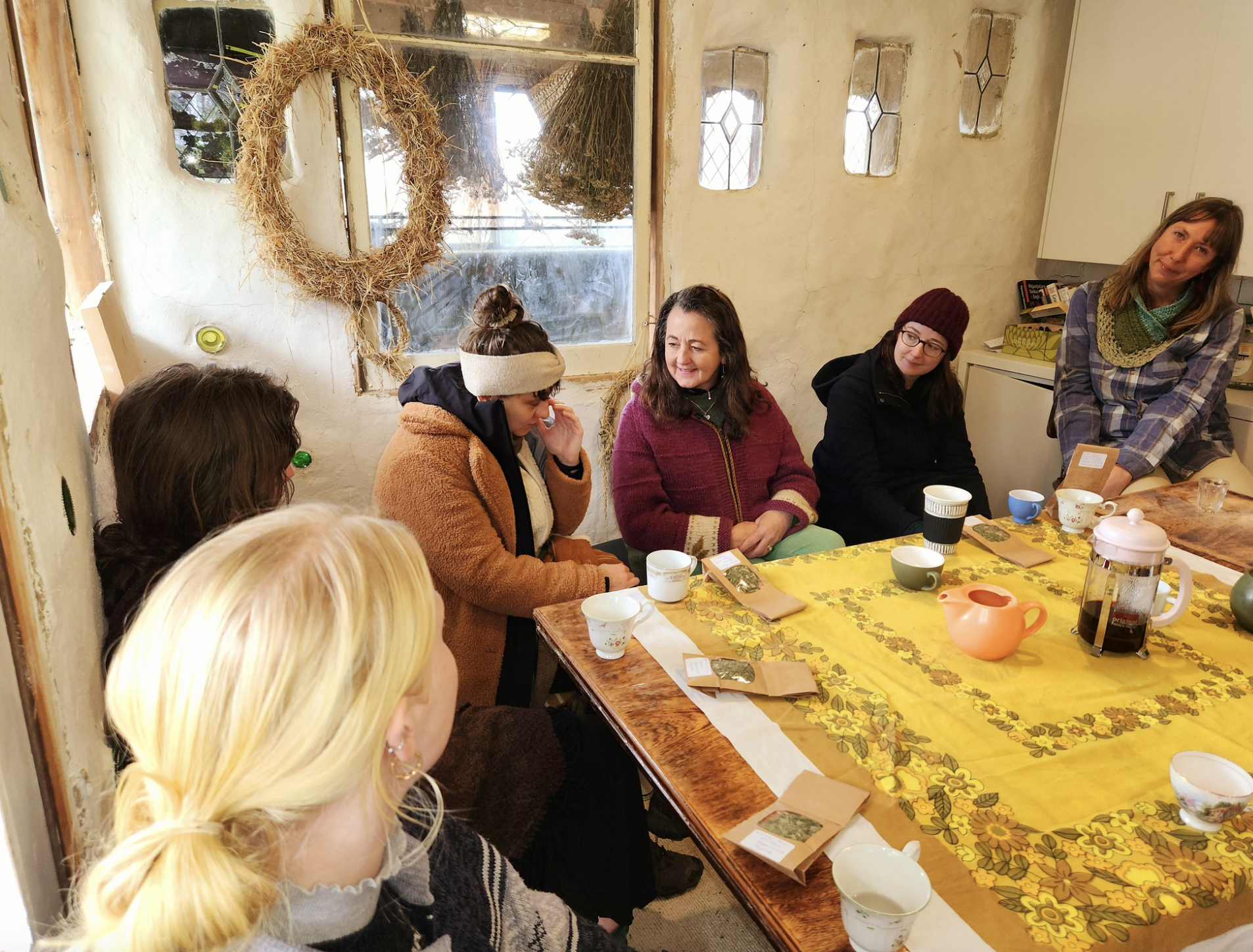
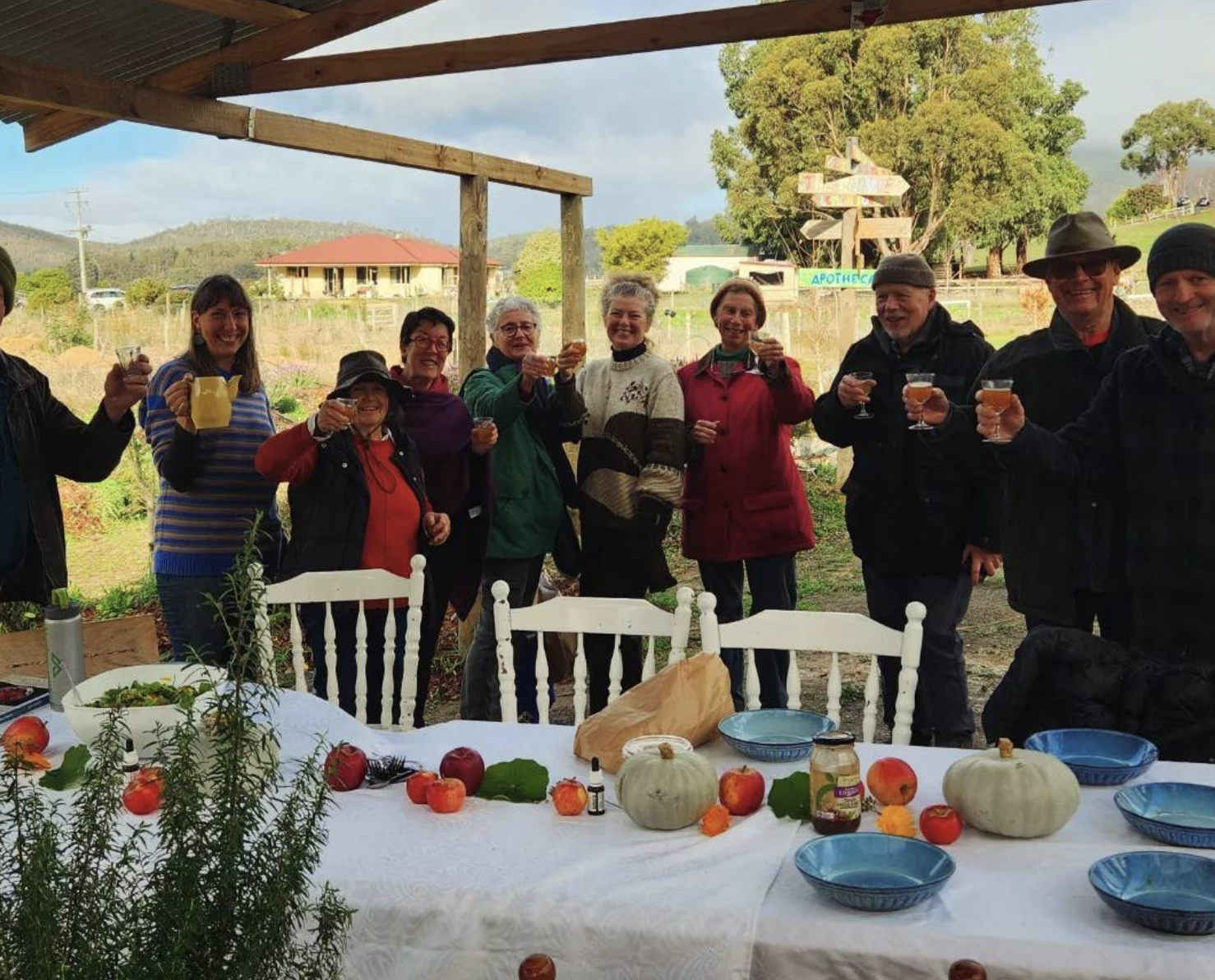
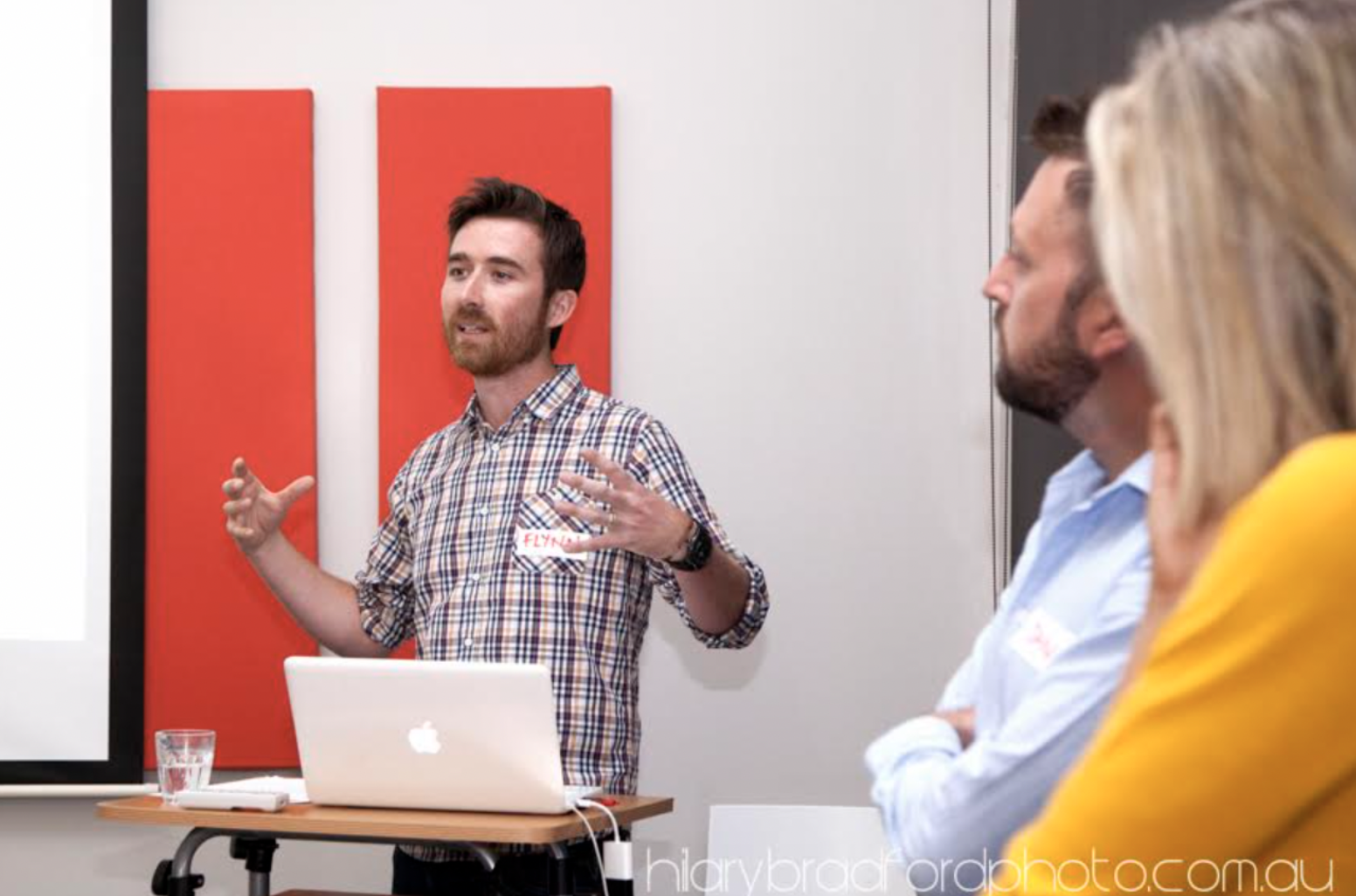
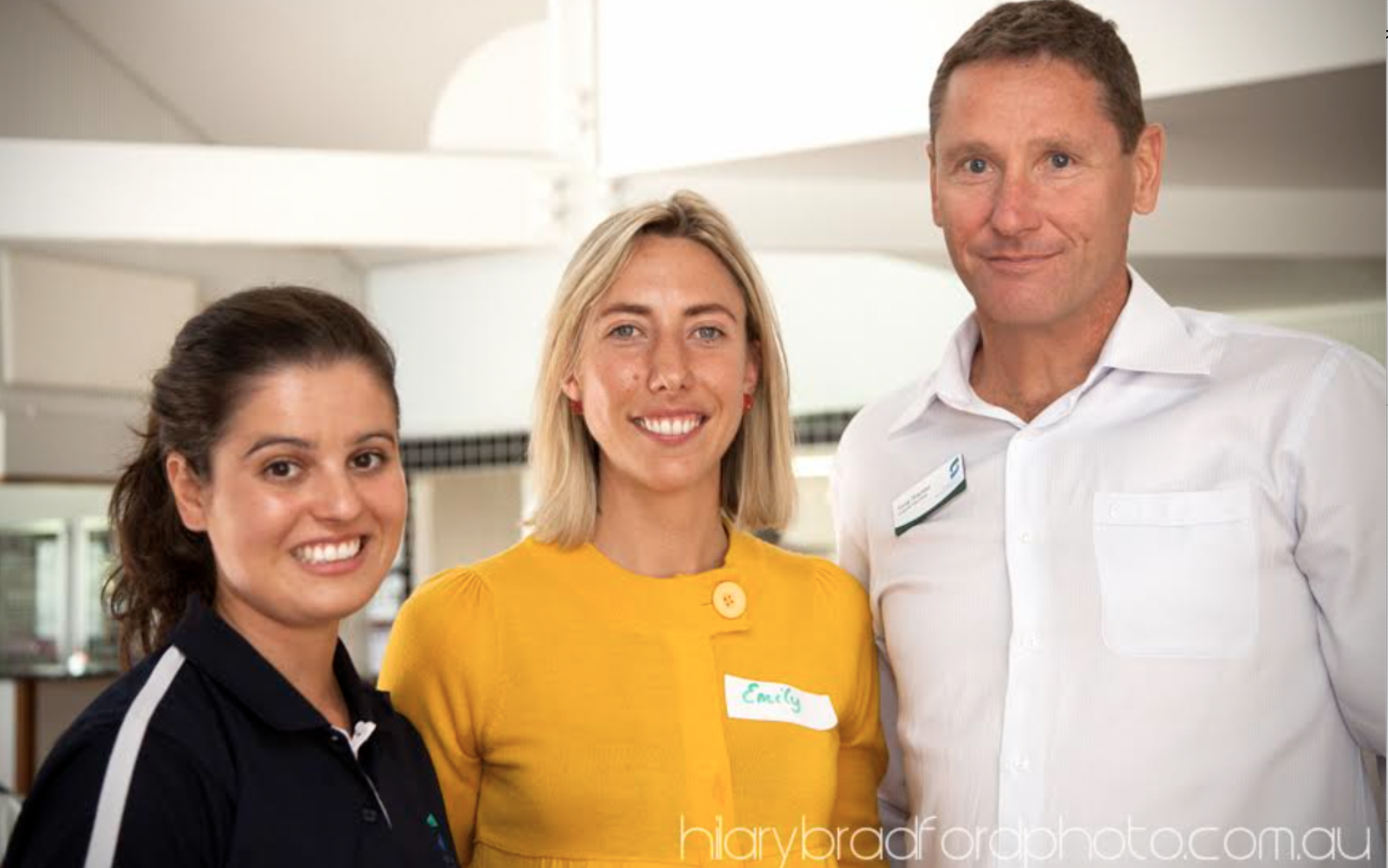
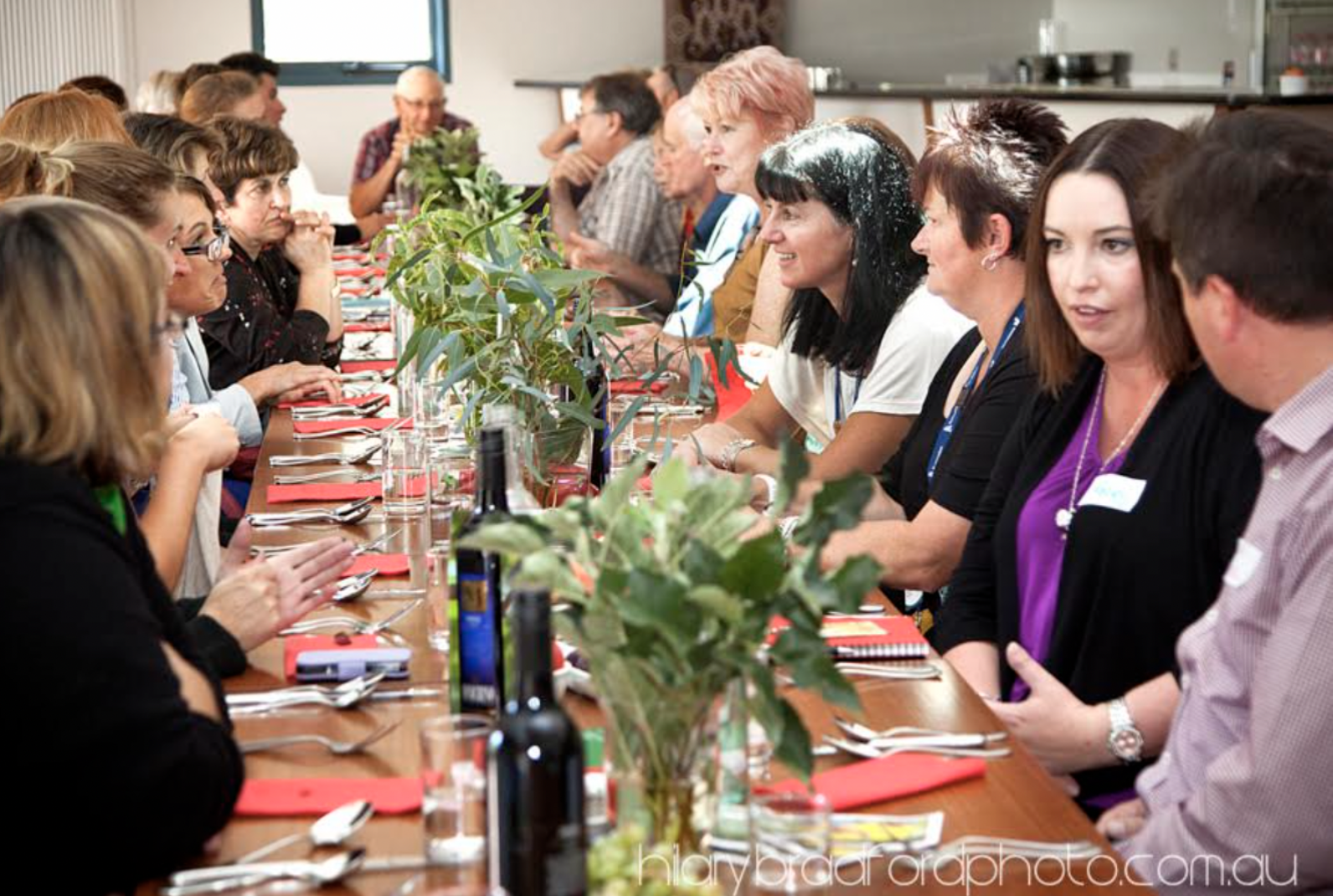
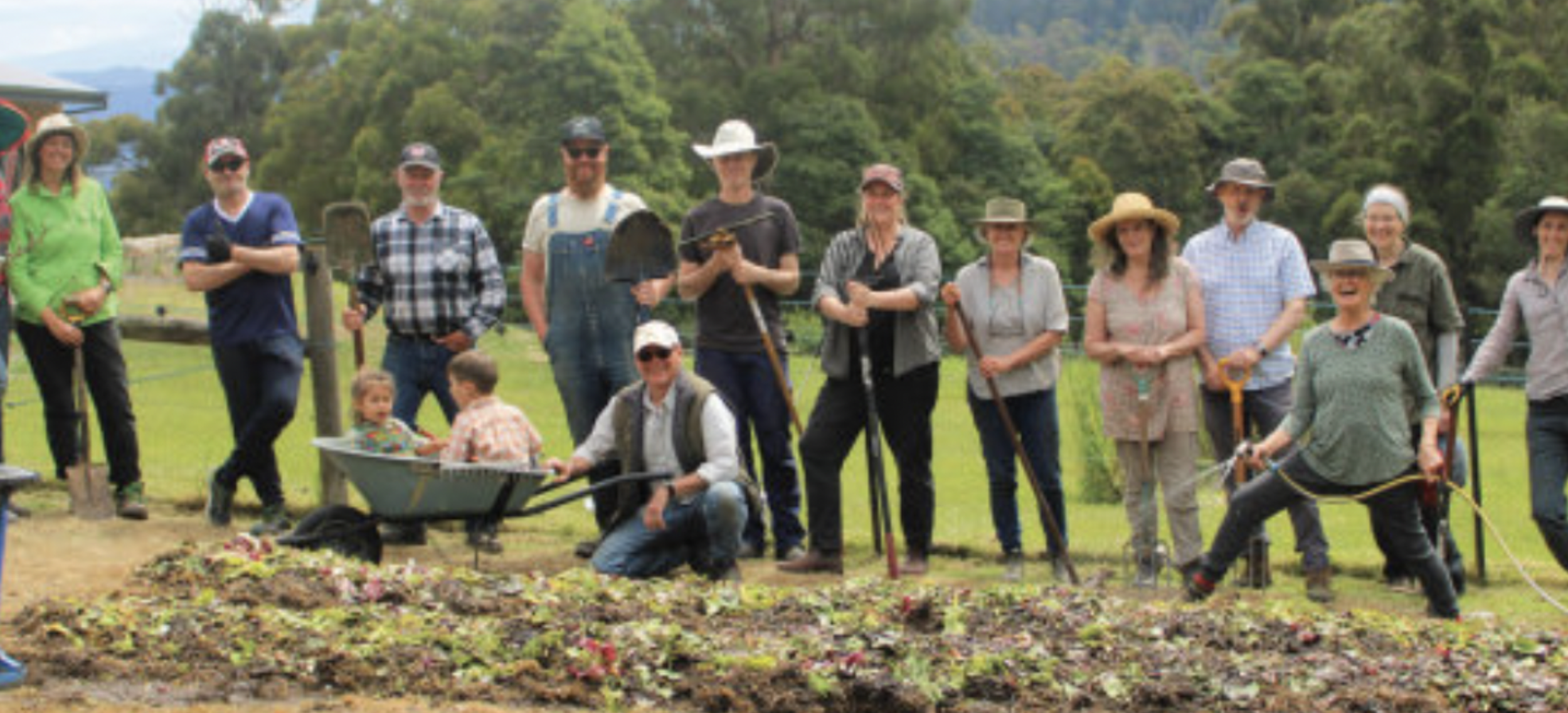
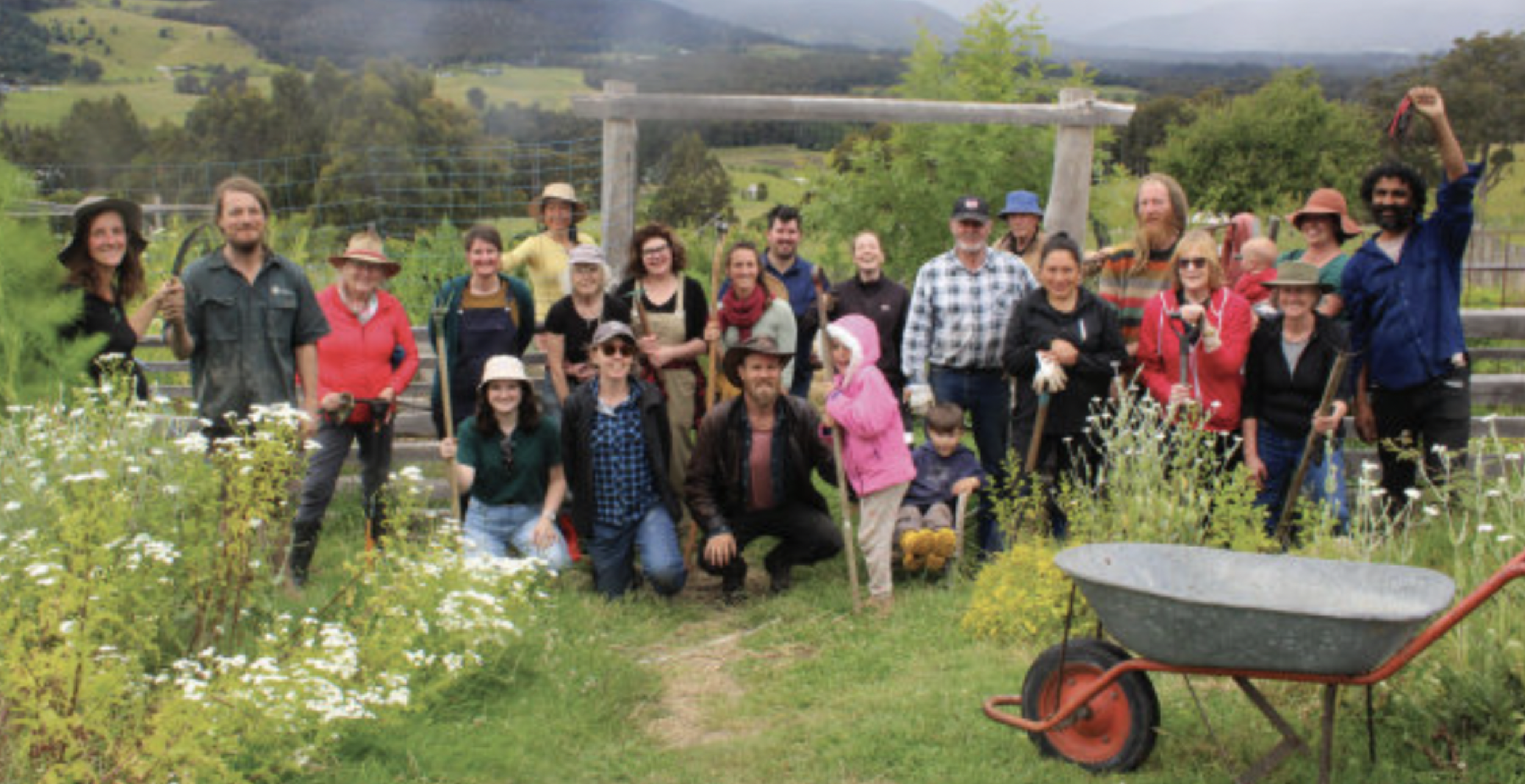
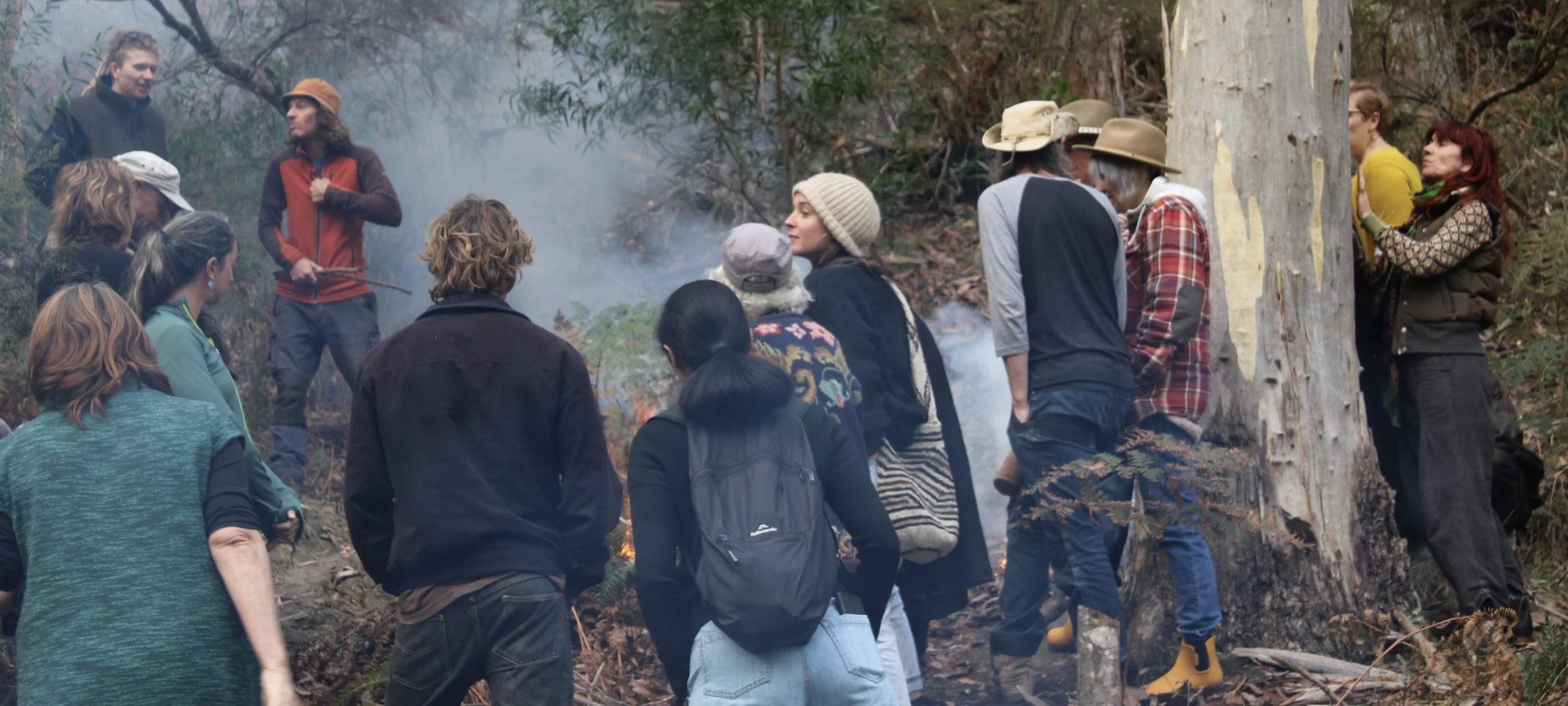
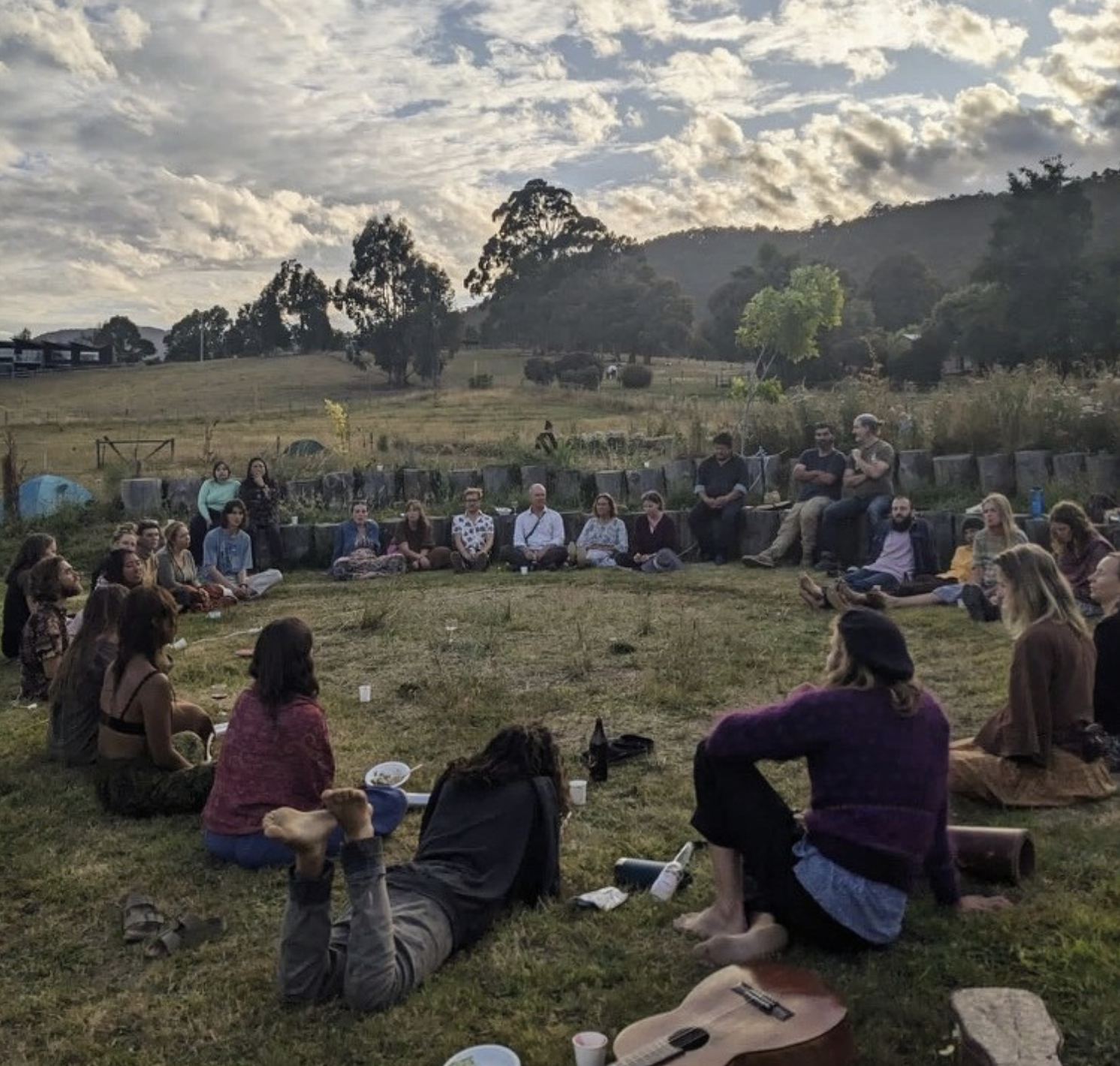
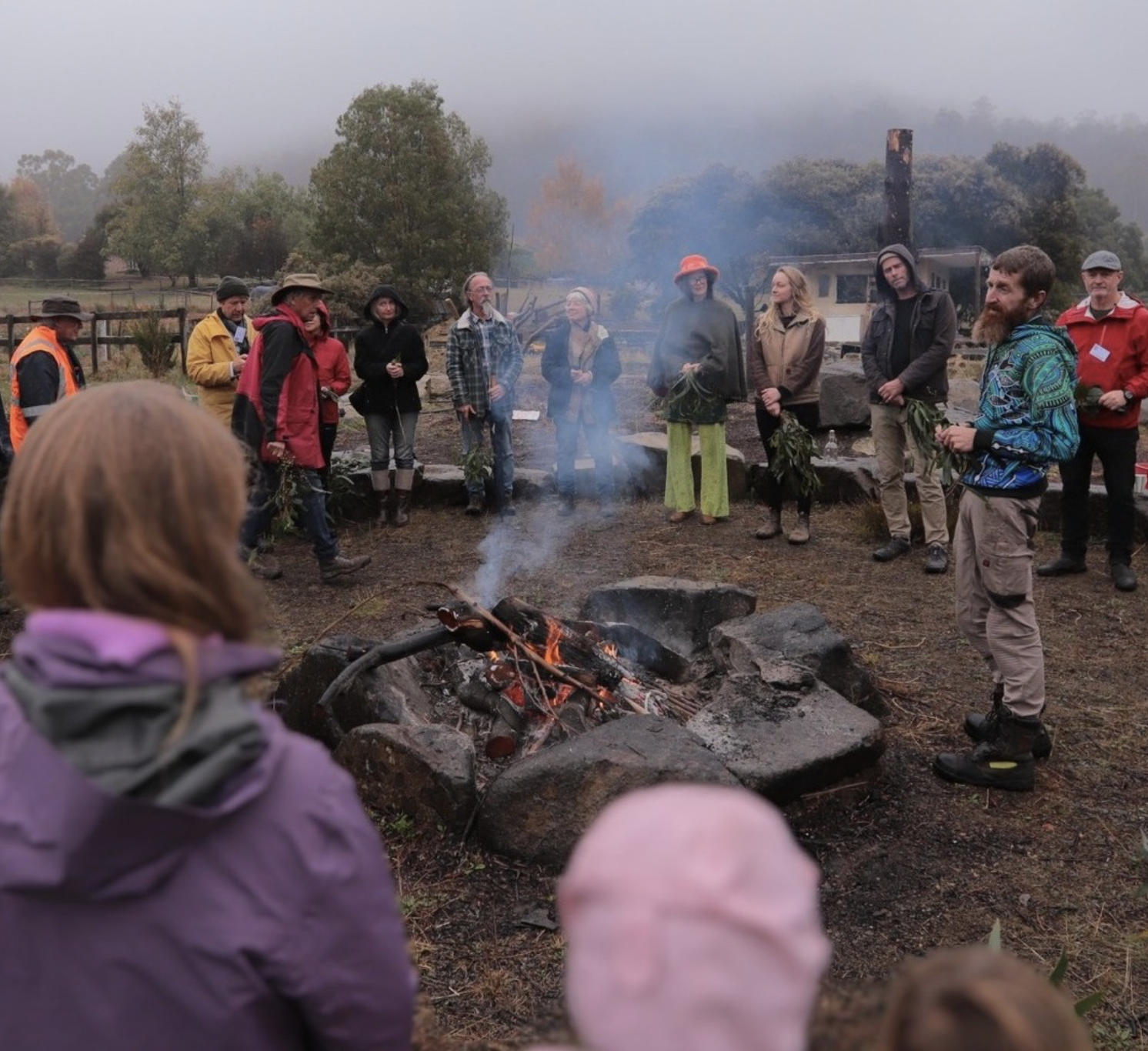
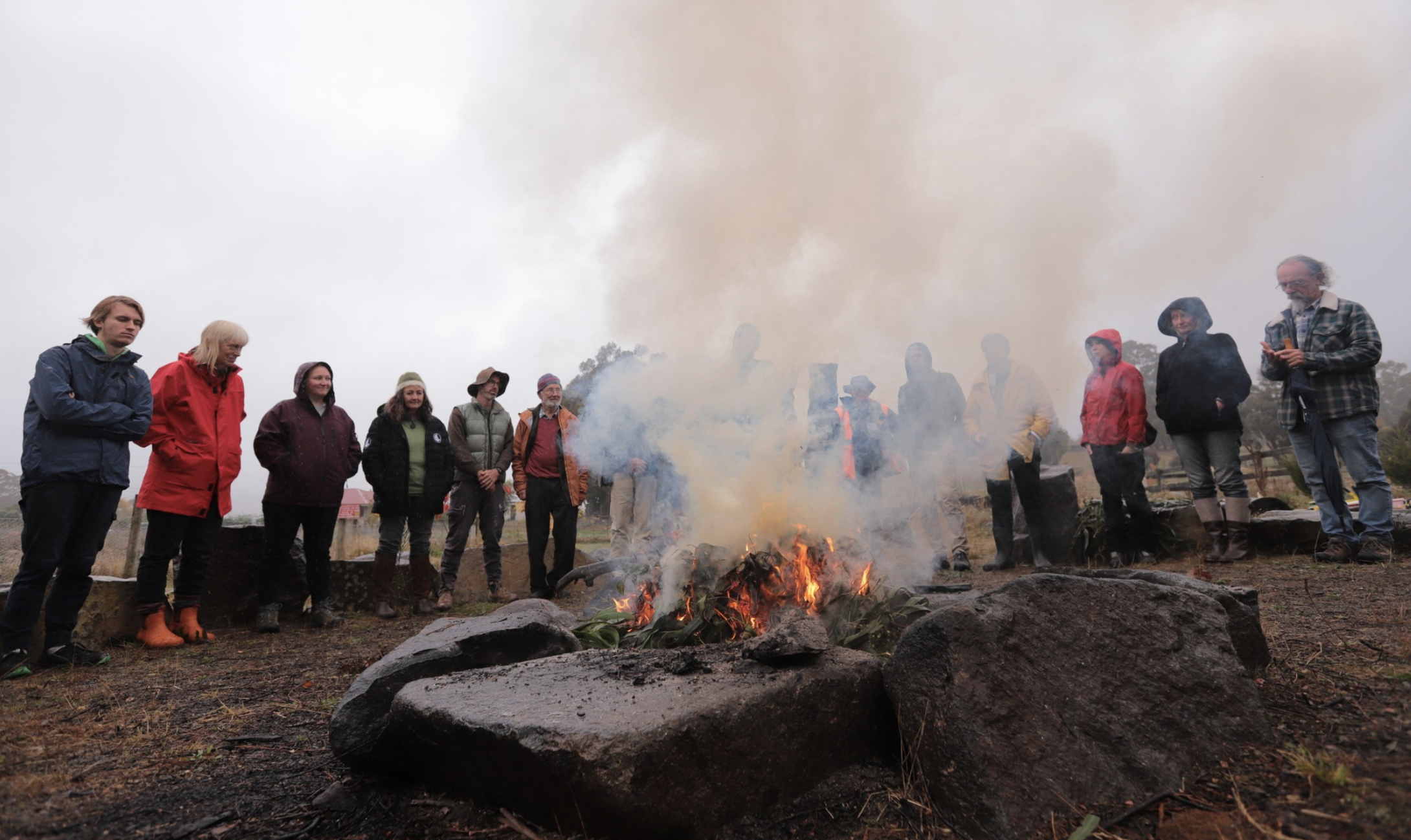
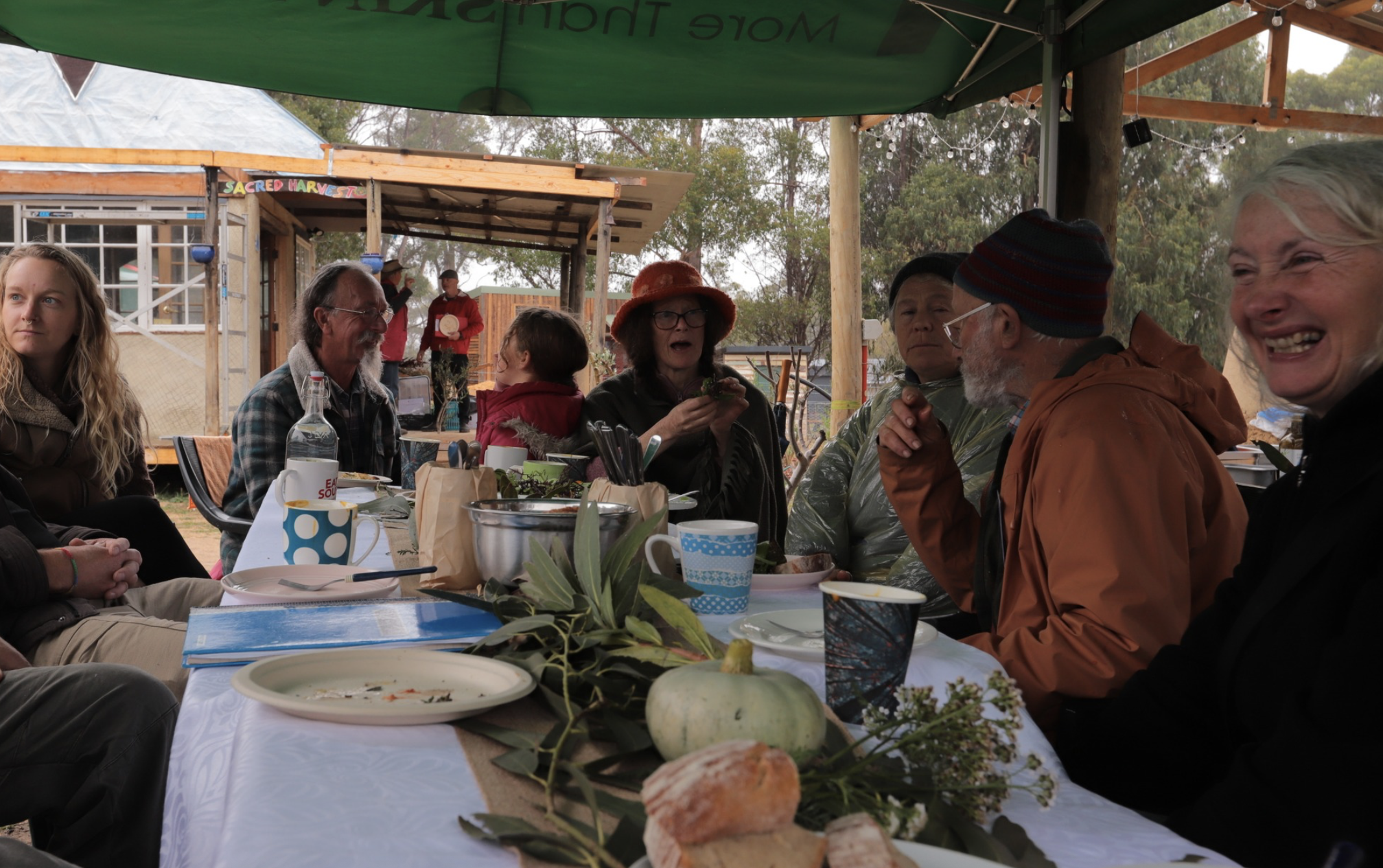
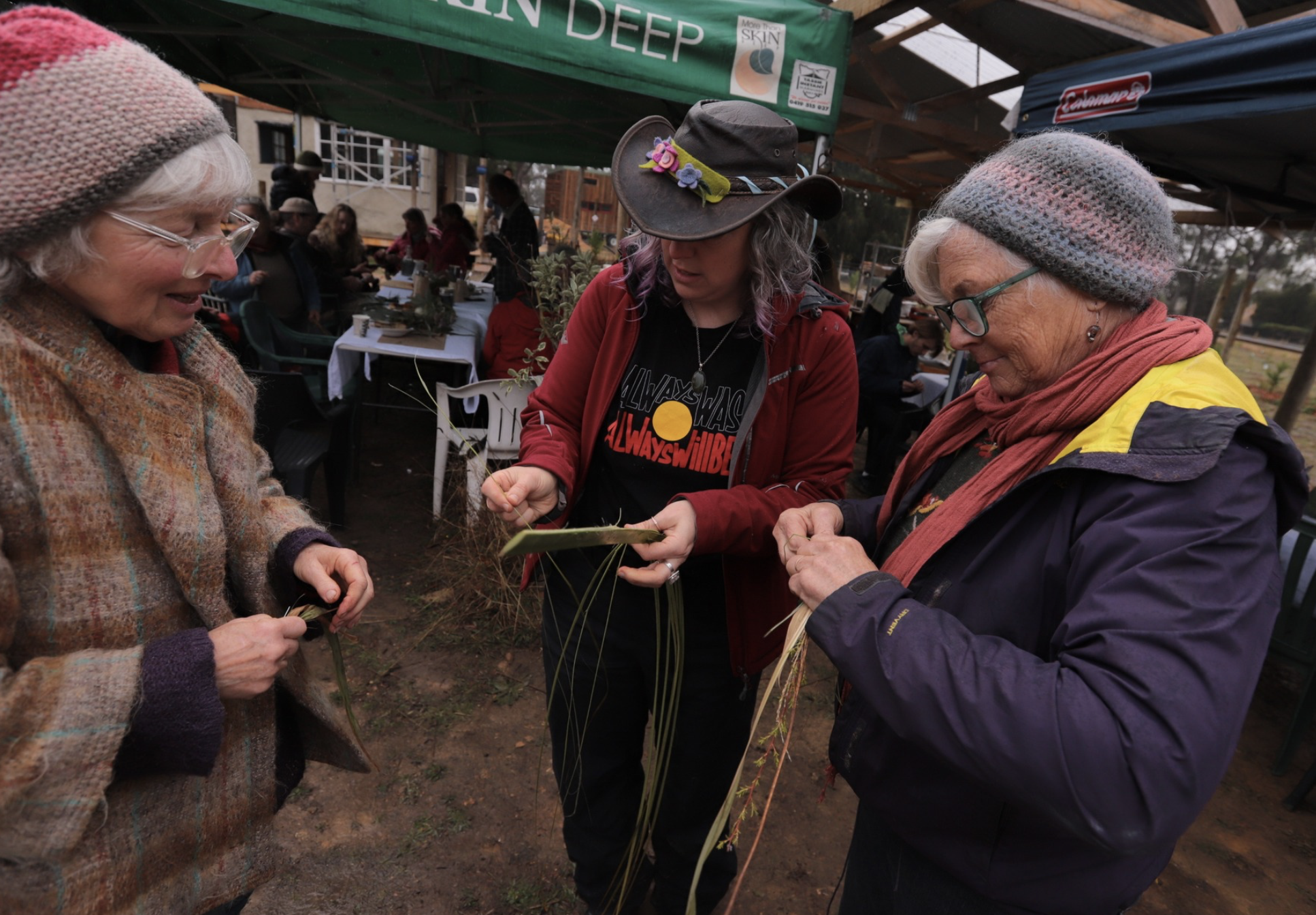
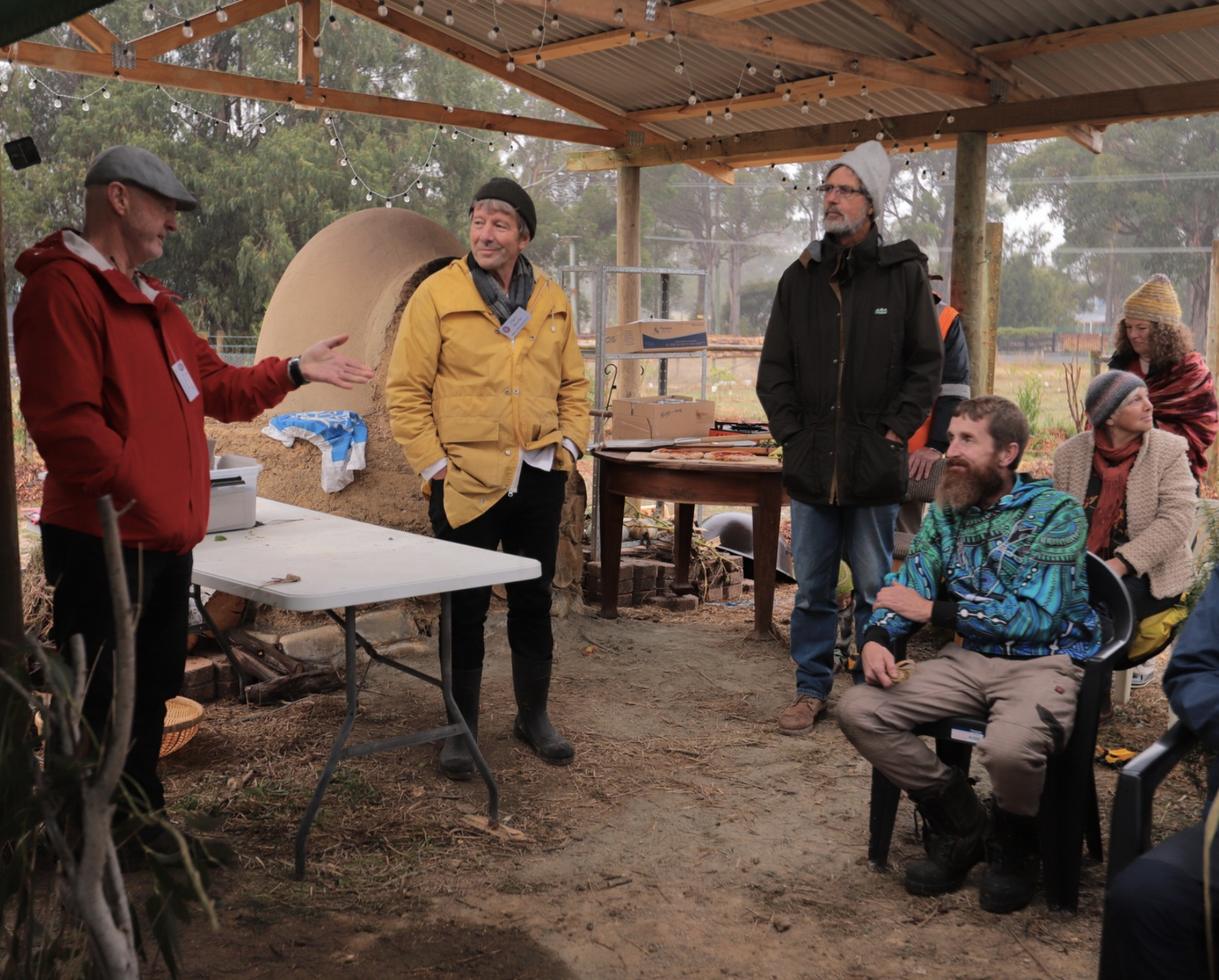
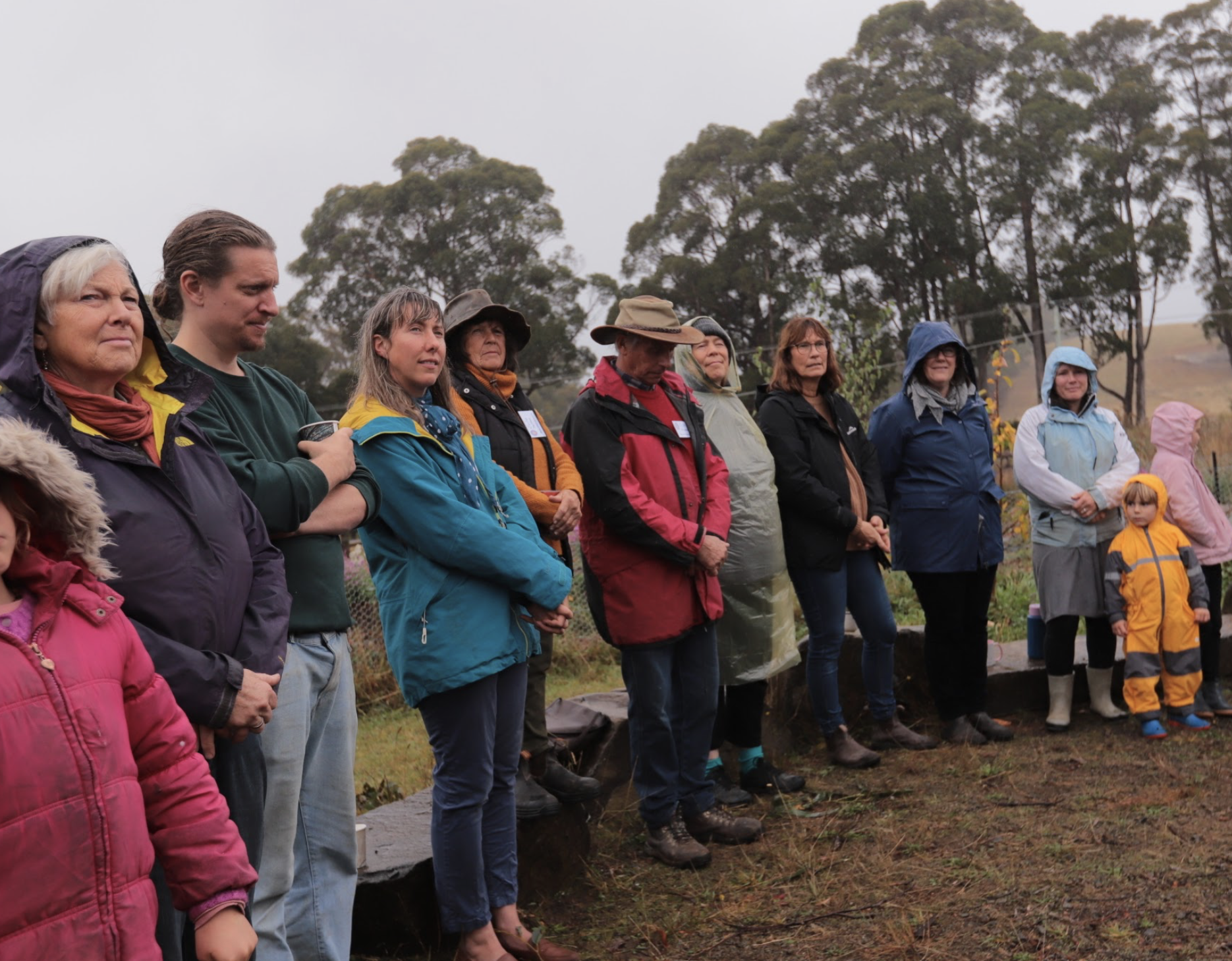
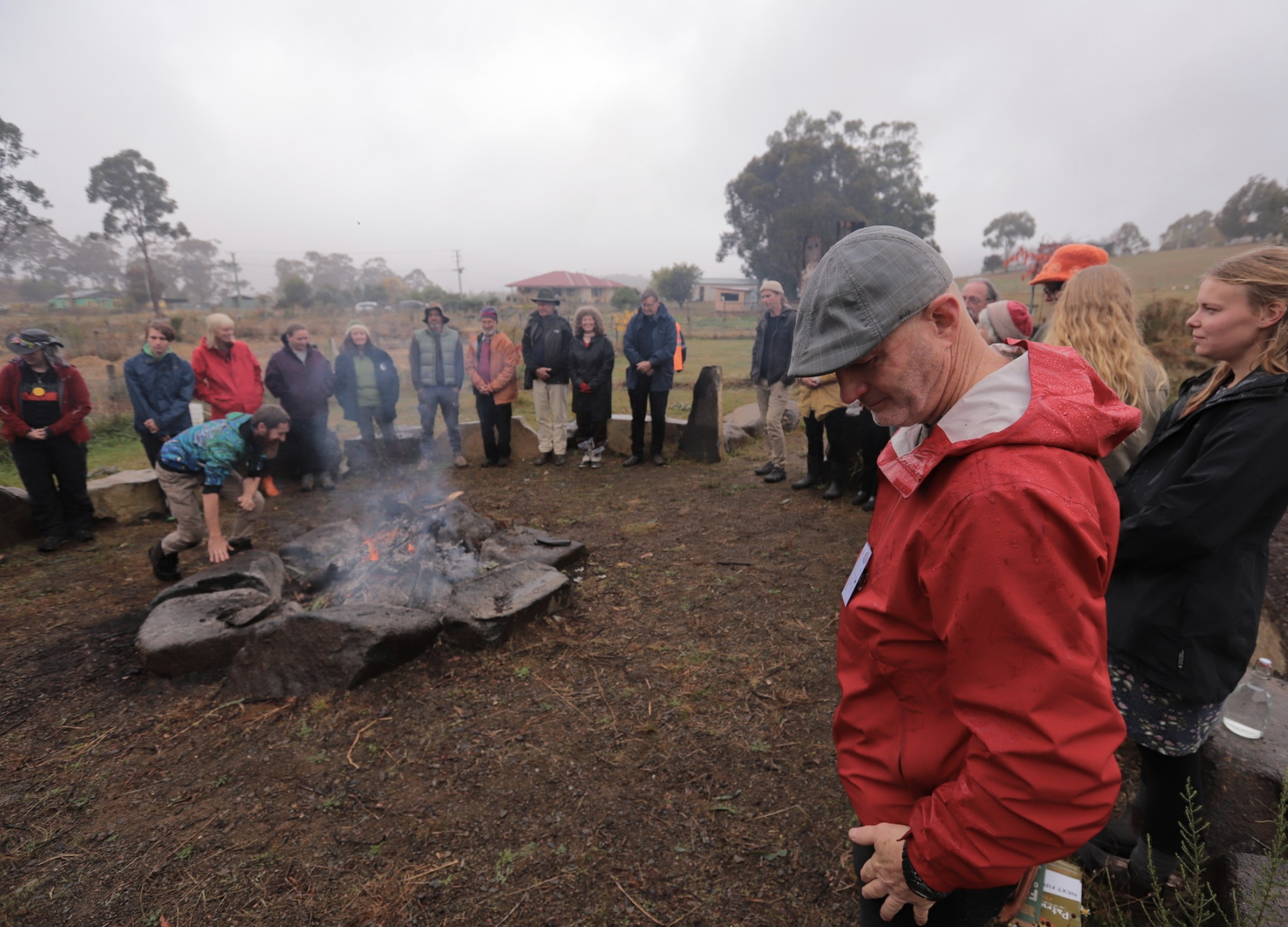
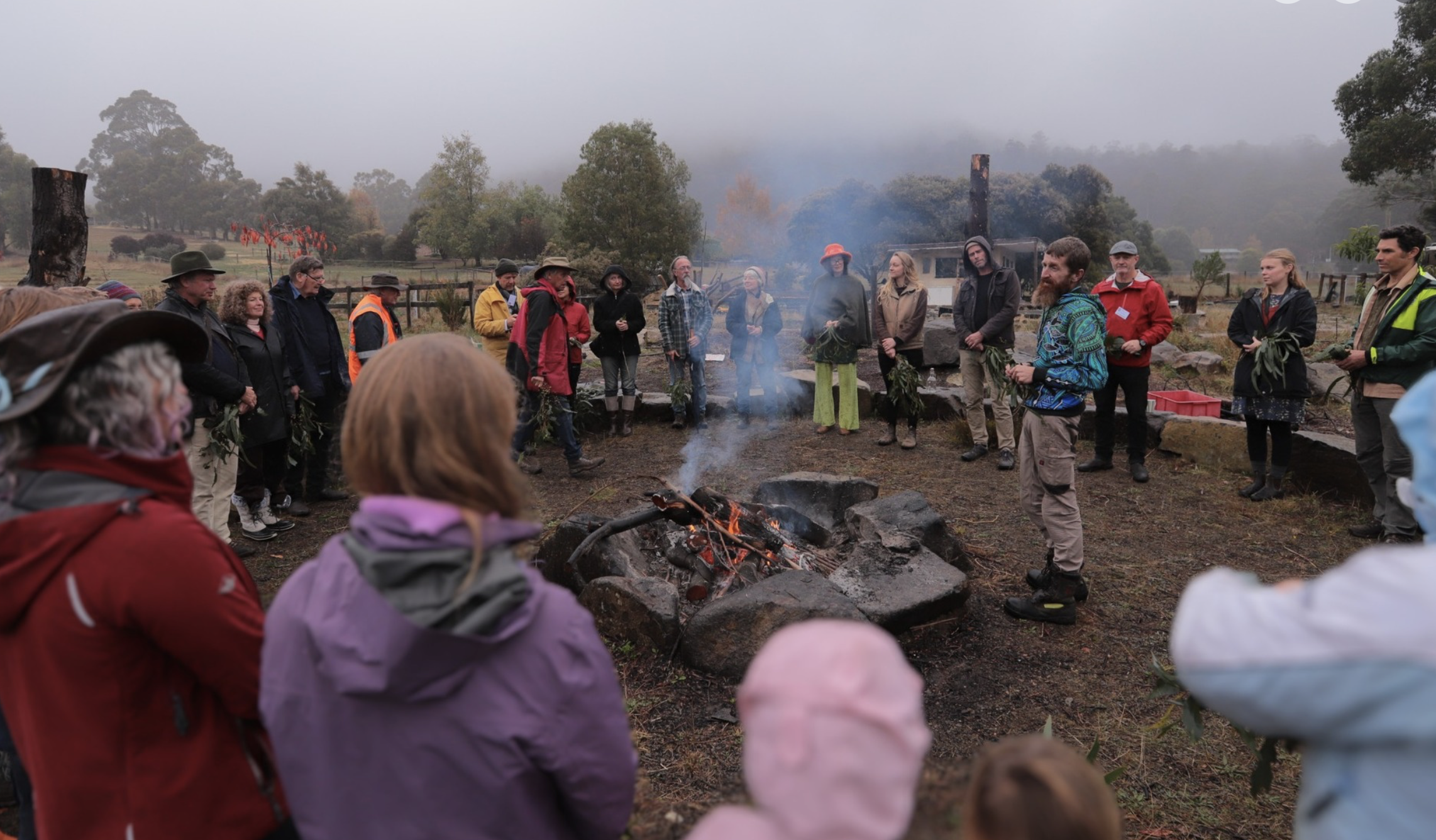
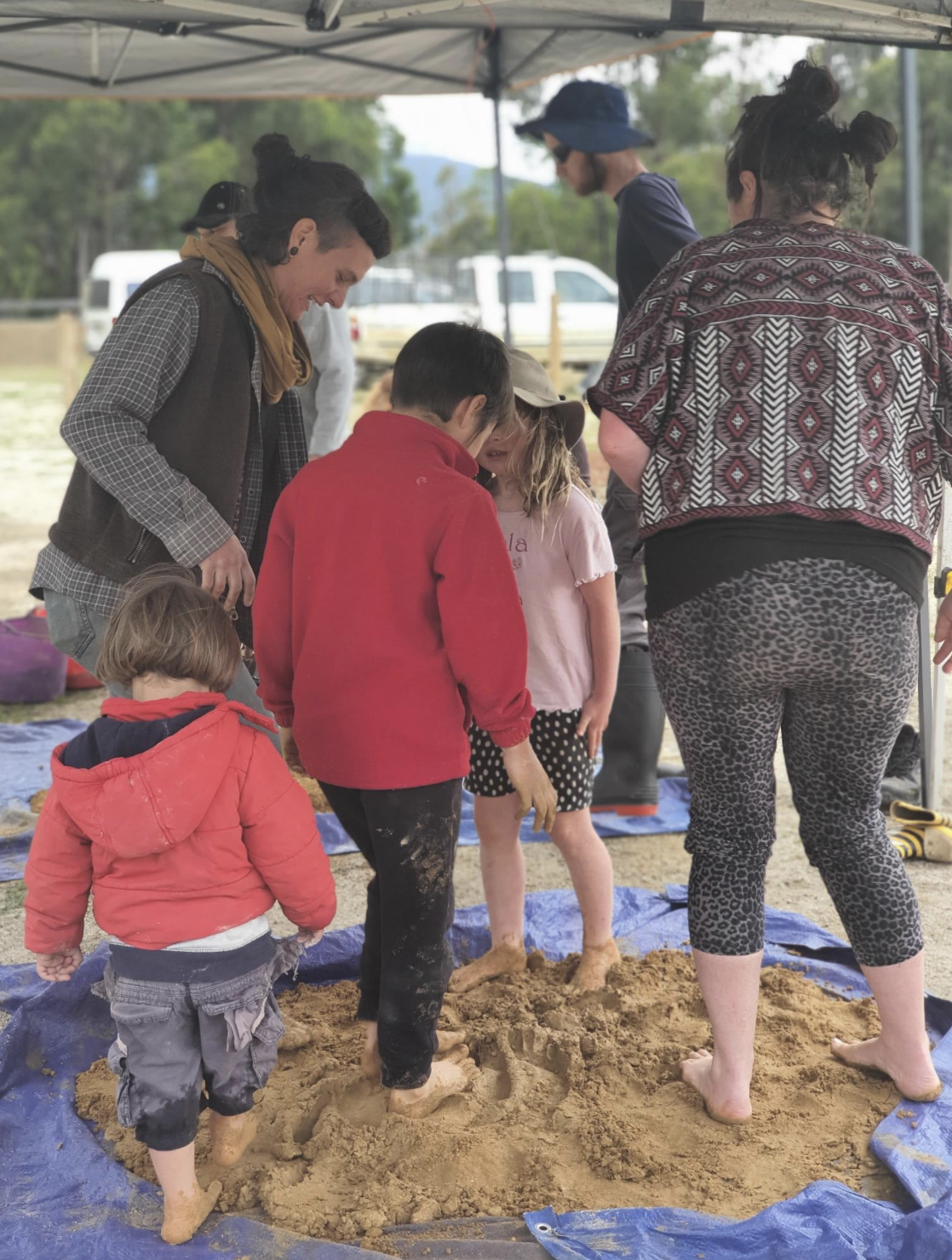
Over the years Magical Farm has hosted small gatherings centred on land stewardship, bio-dynamics, food culture, local economics and agricultural learning.
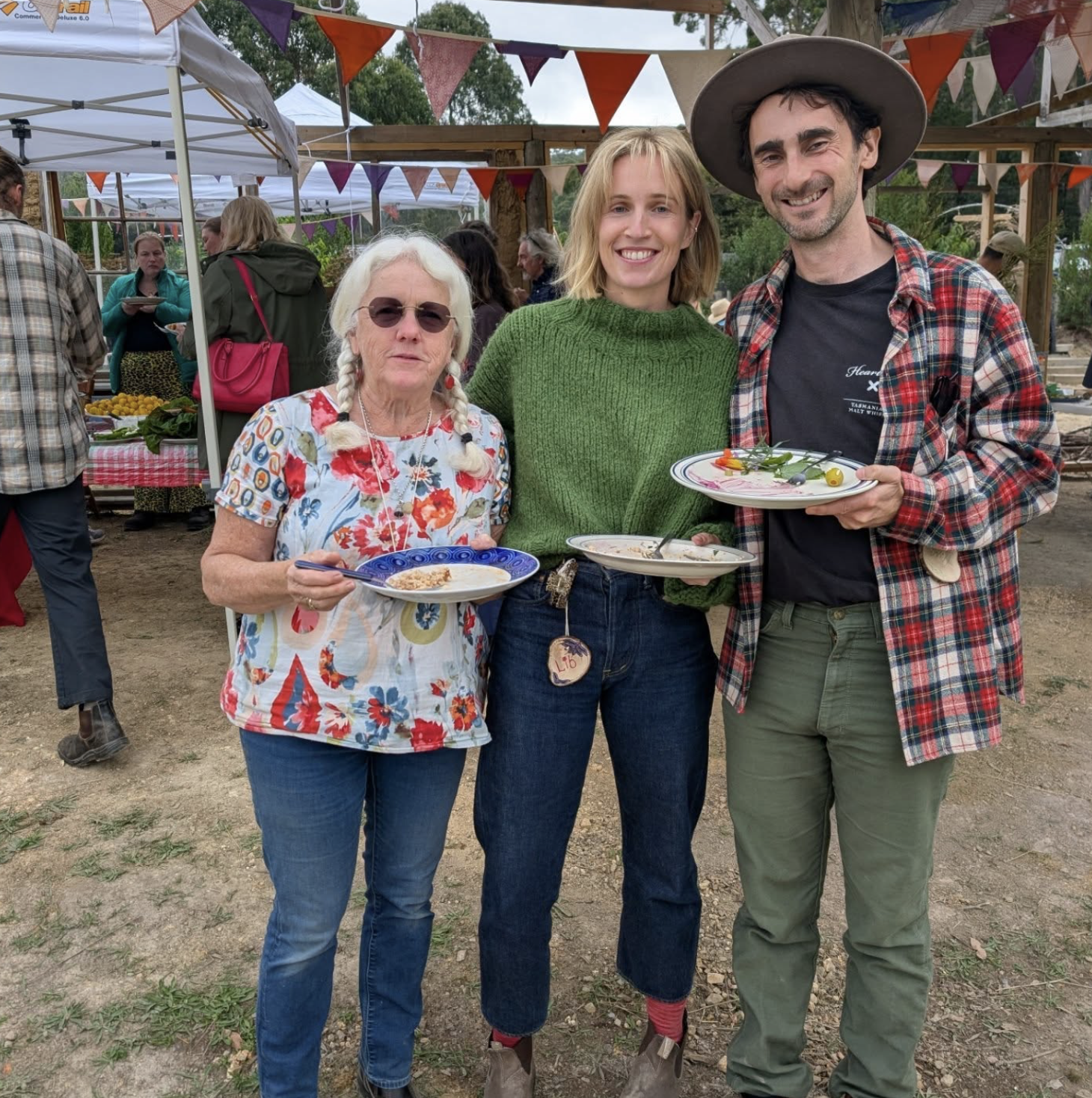
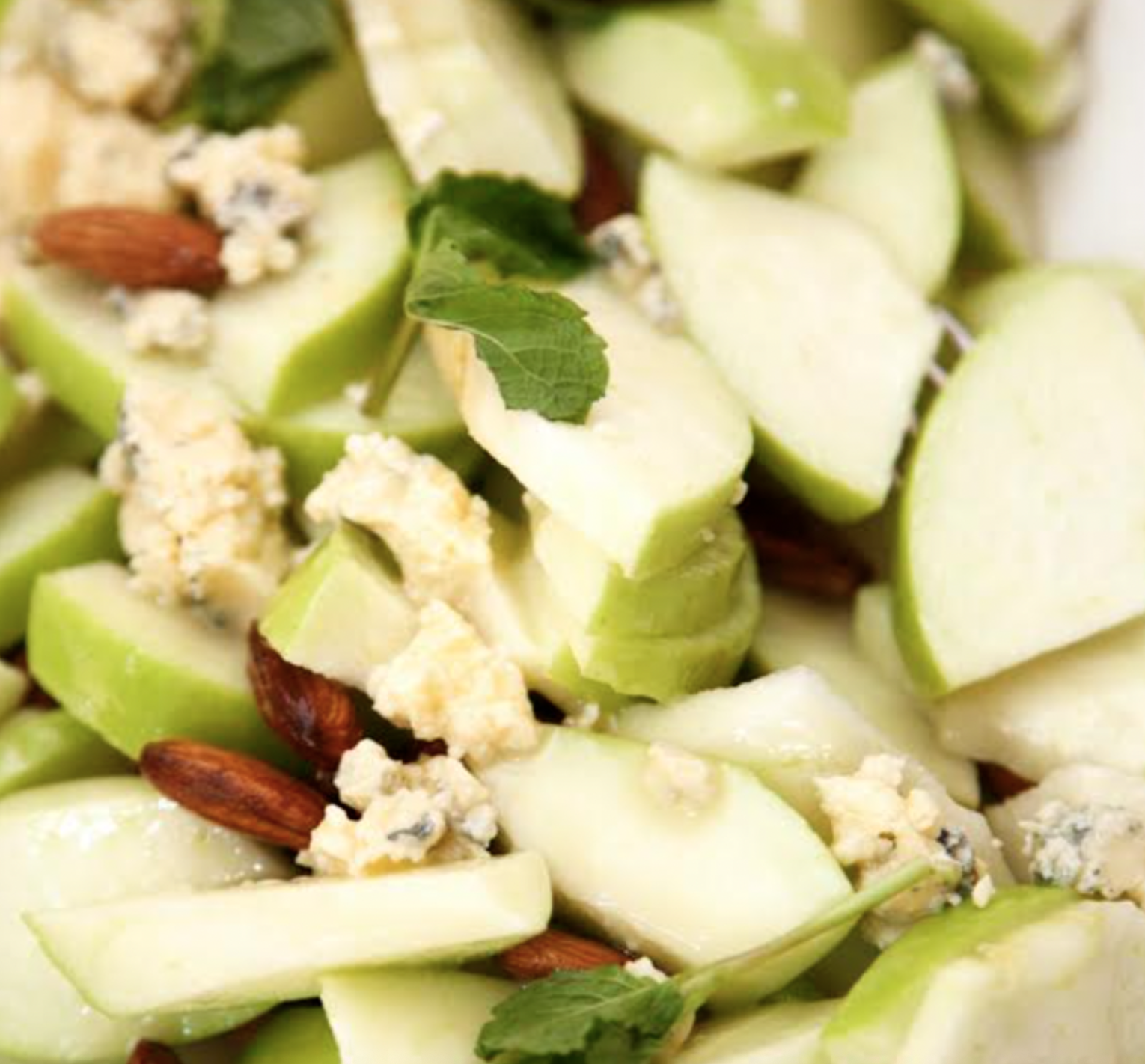
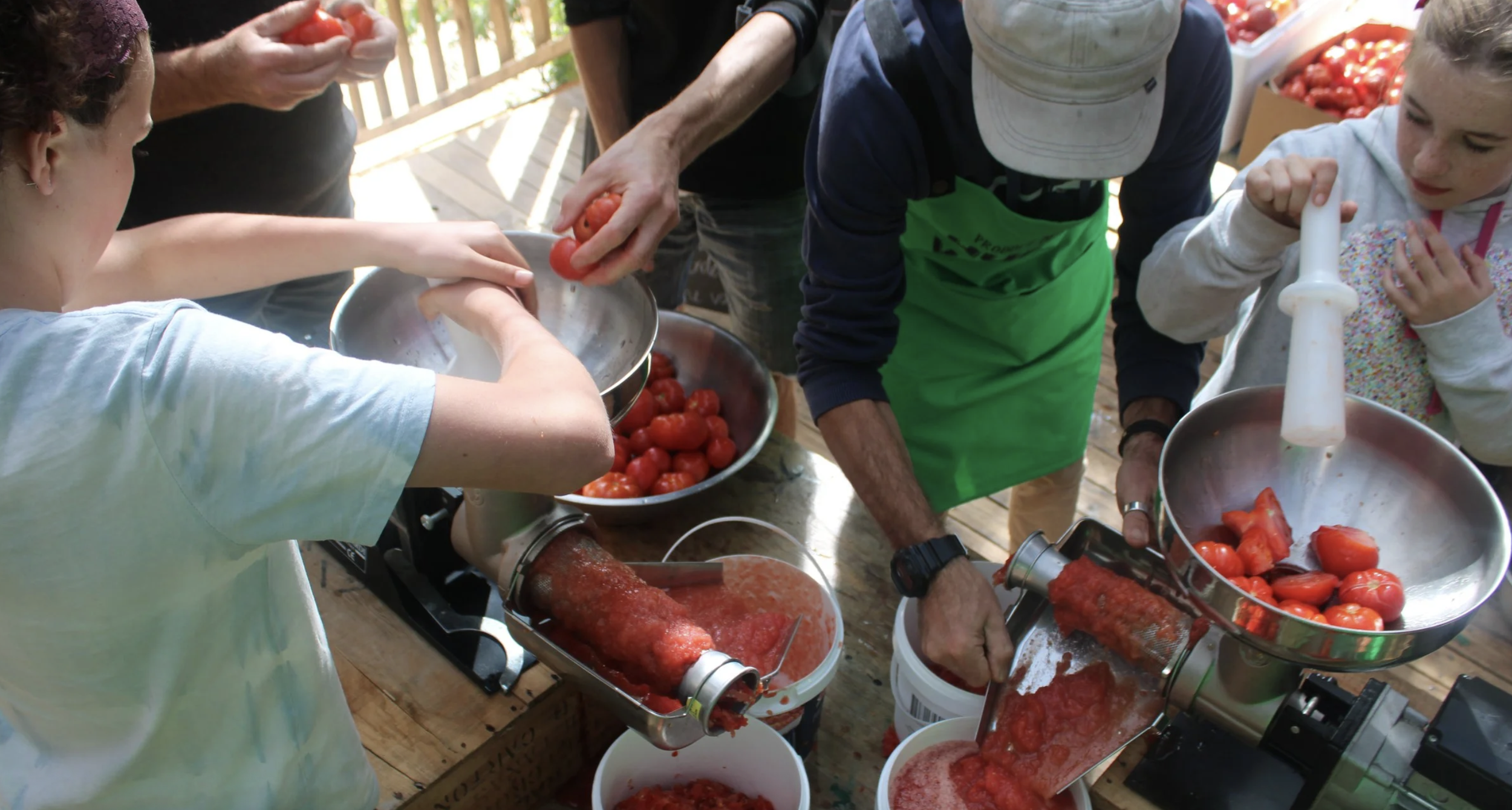
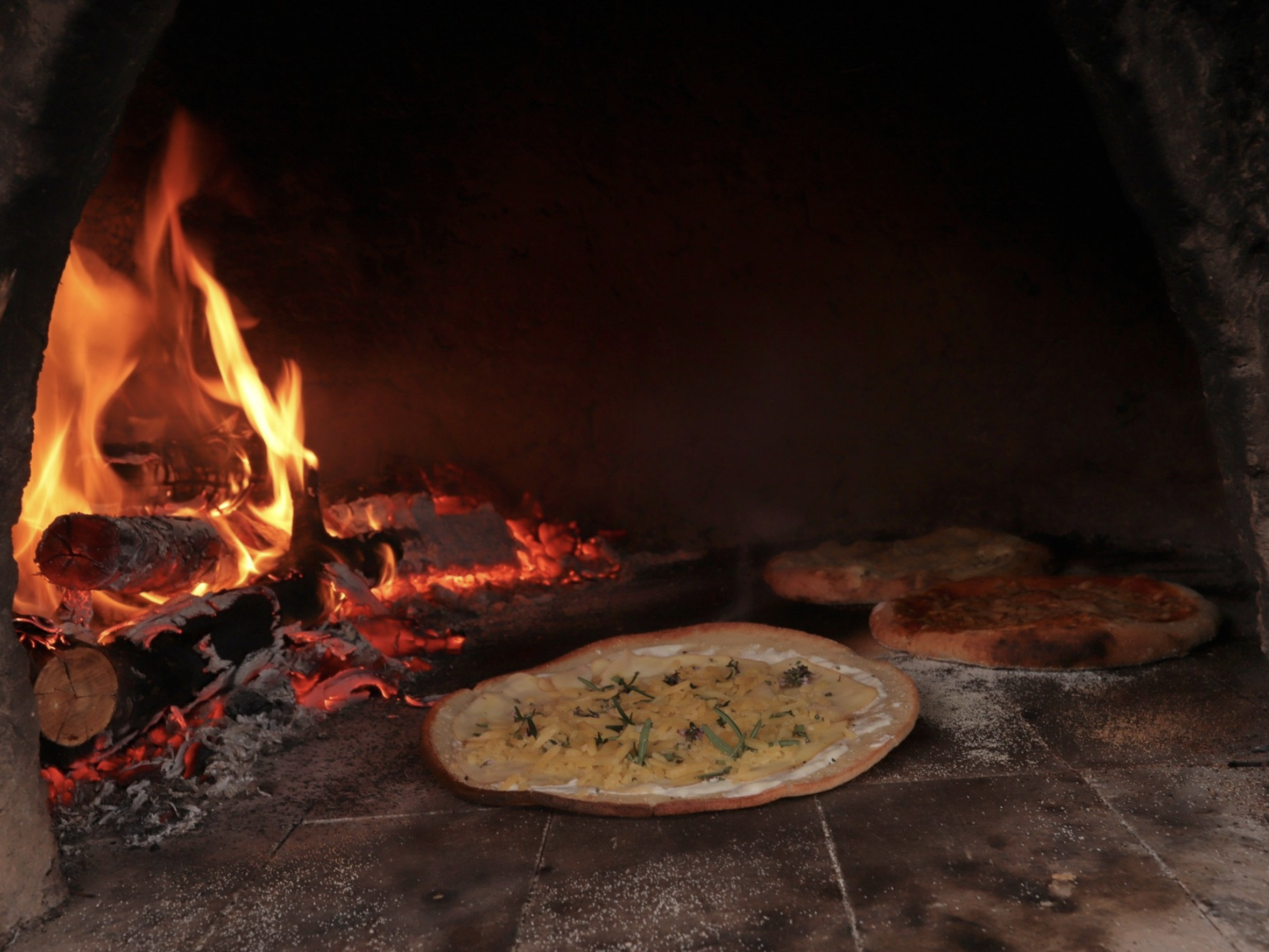
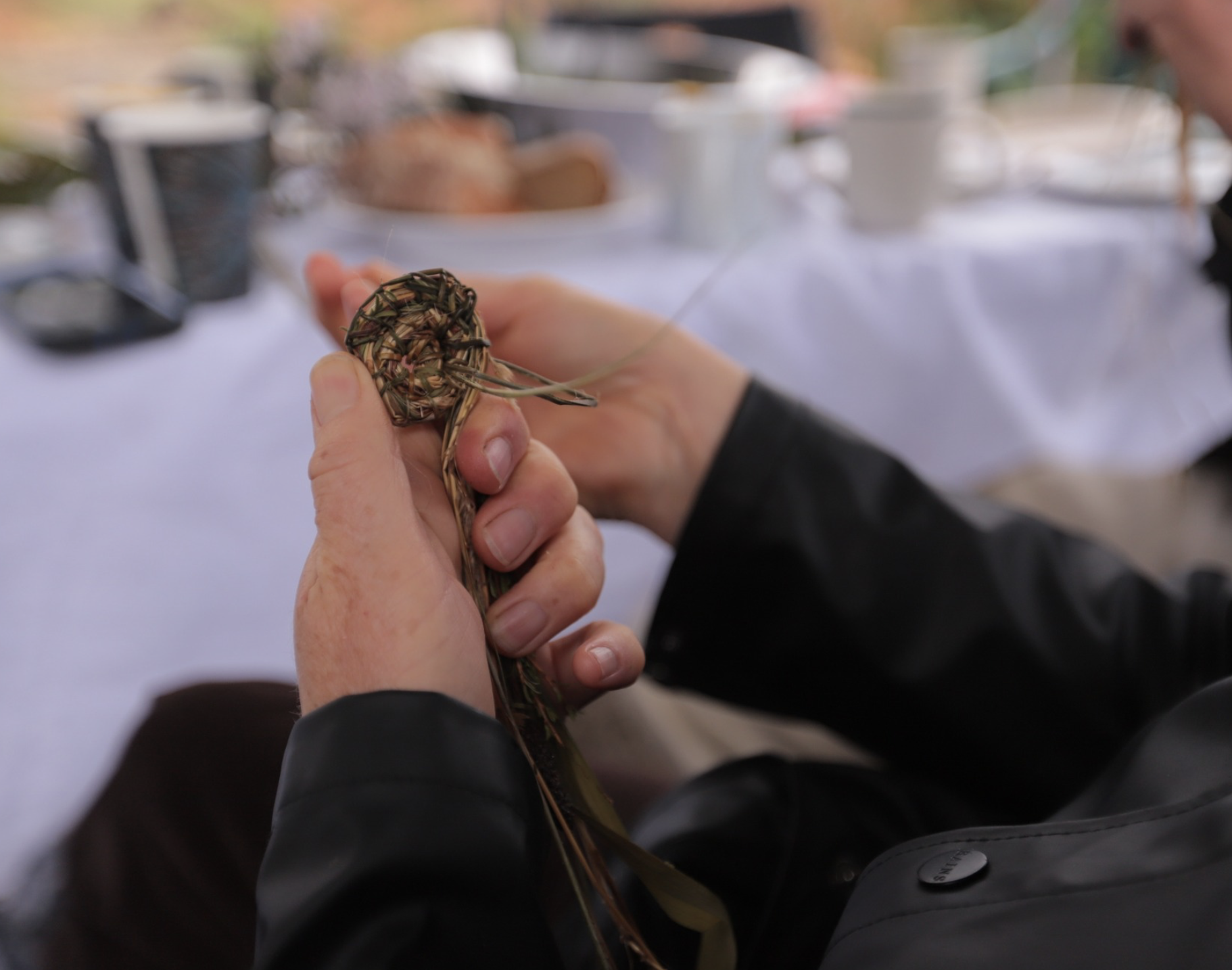
These gatherings have included farm walks, crop swaps, shared meals, and conversations about strengthening local food systems.
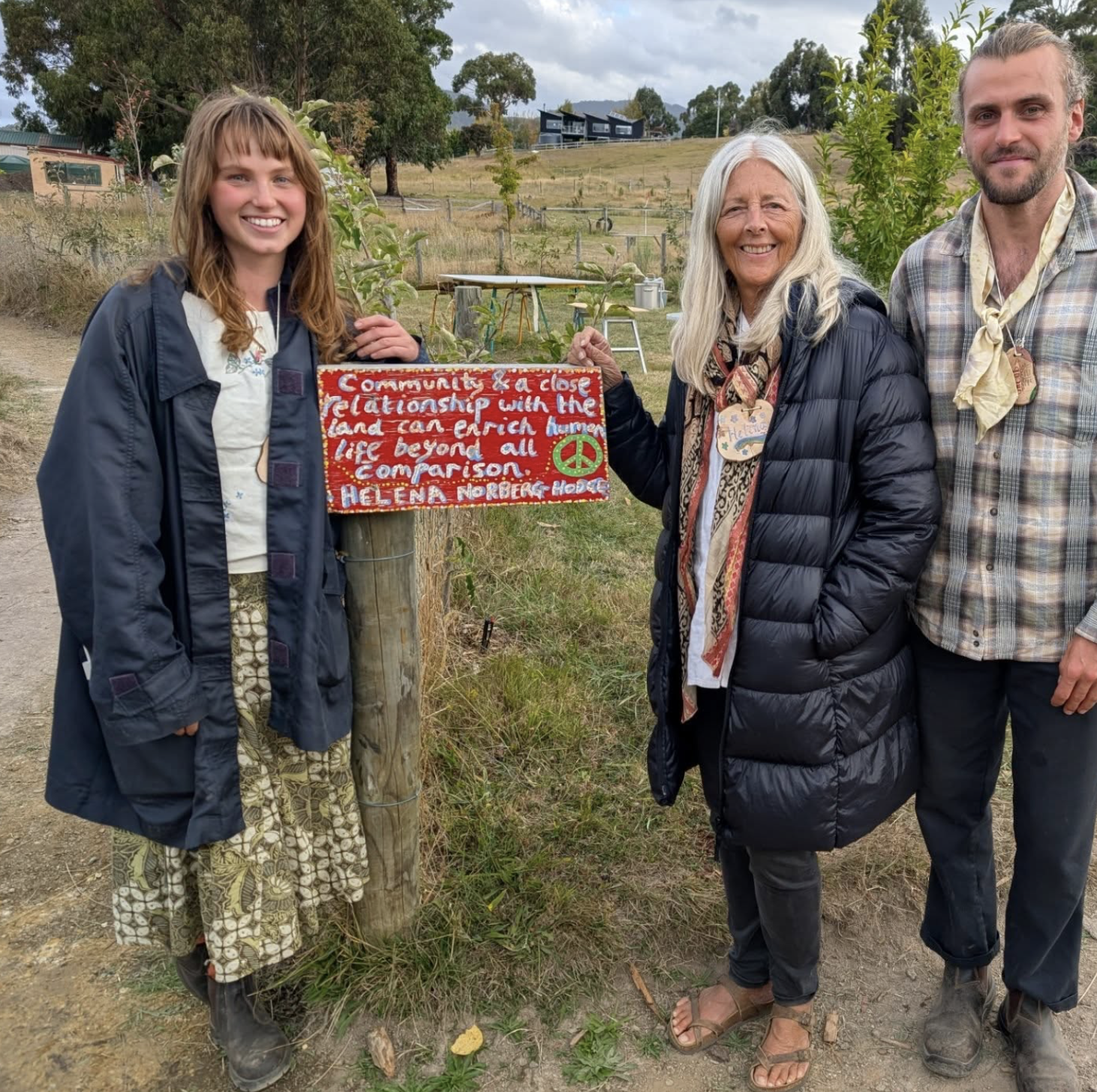
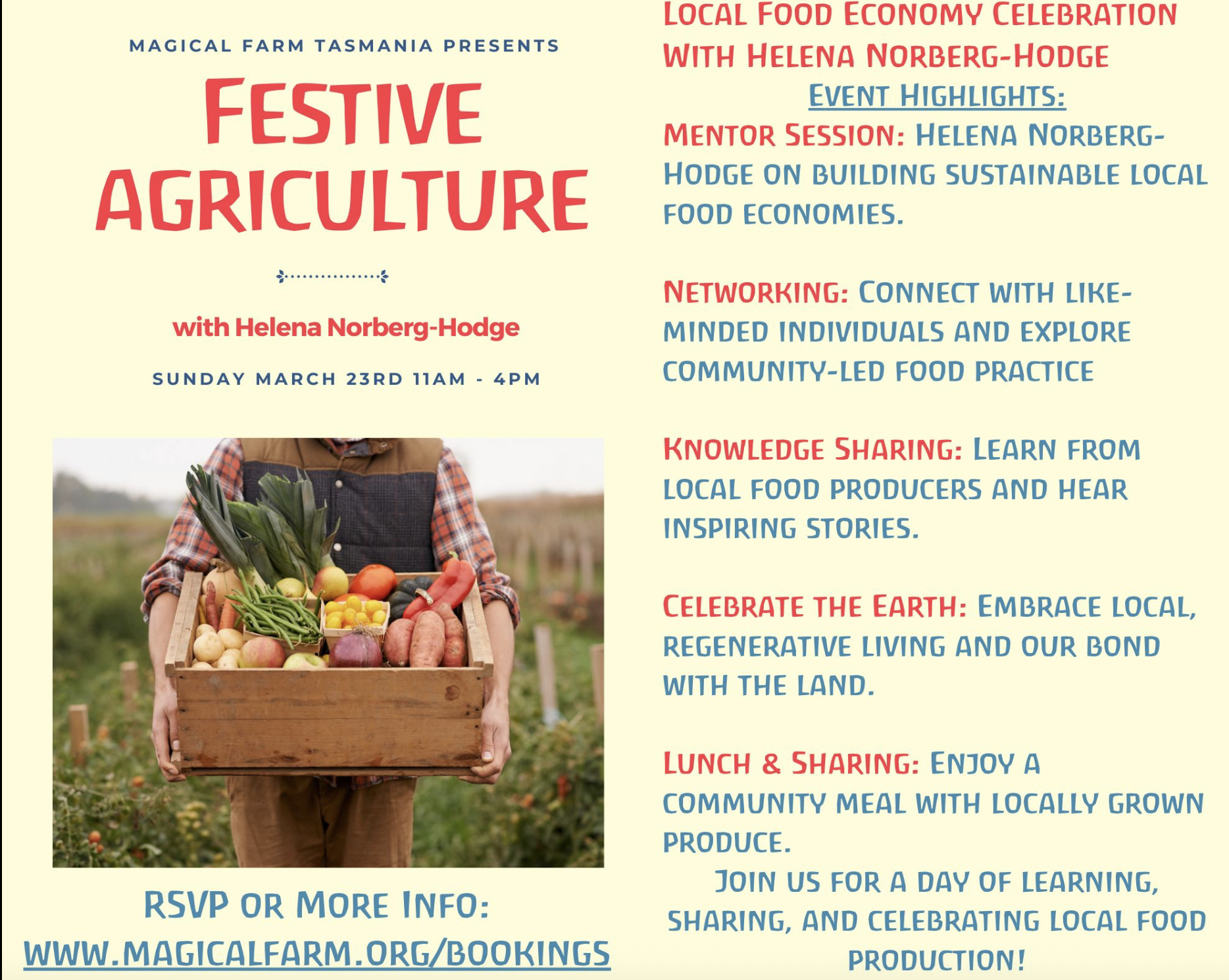
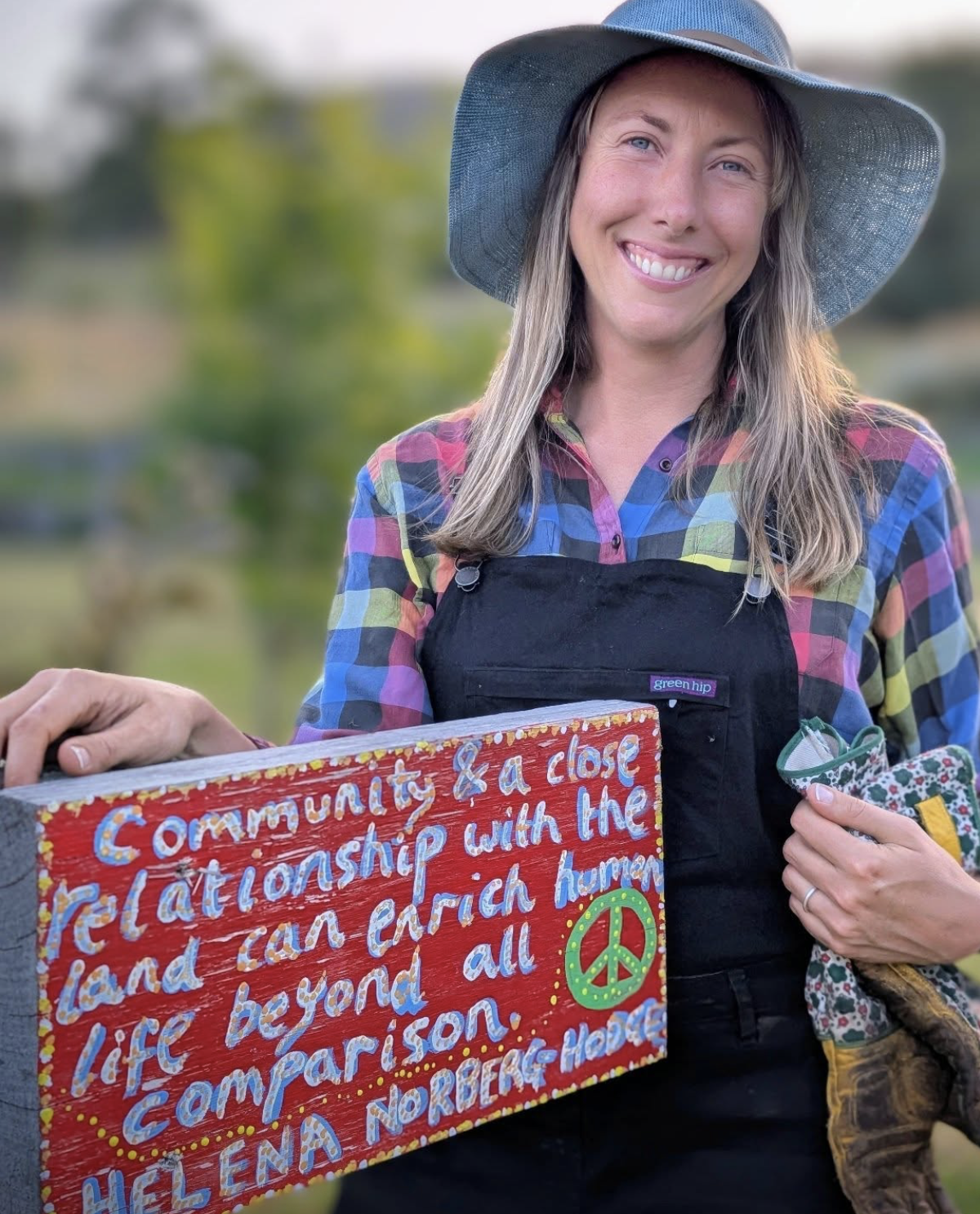
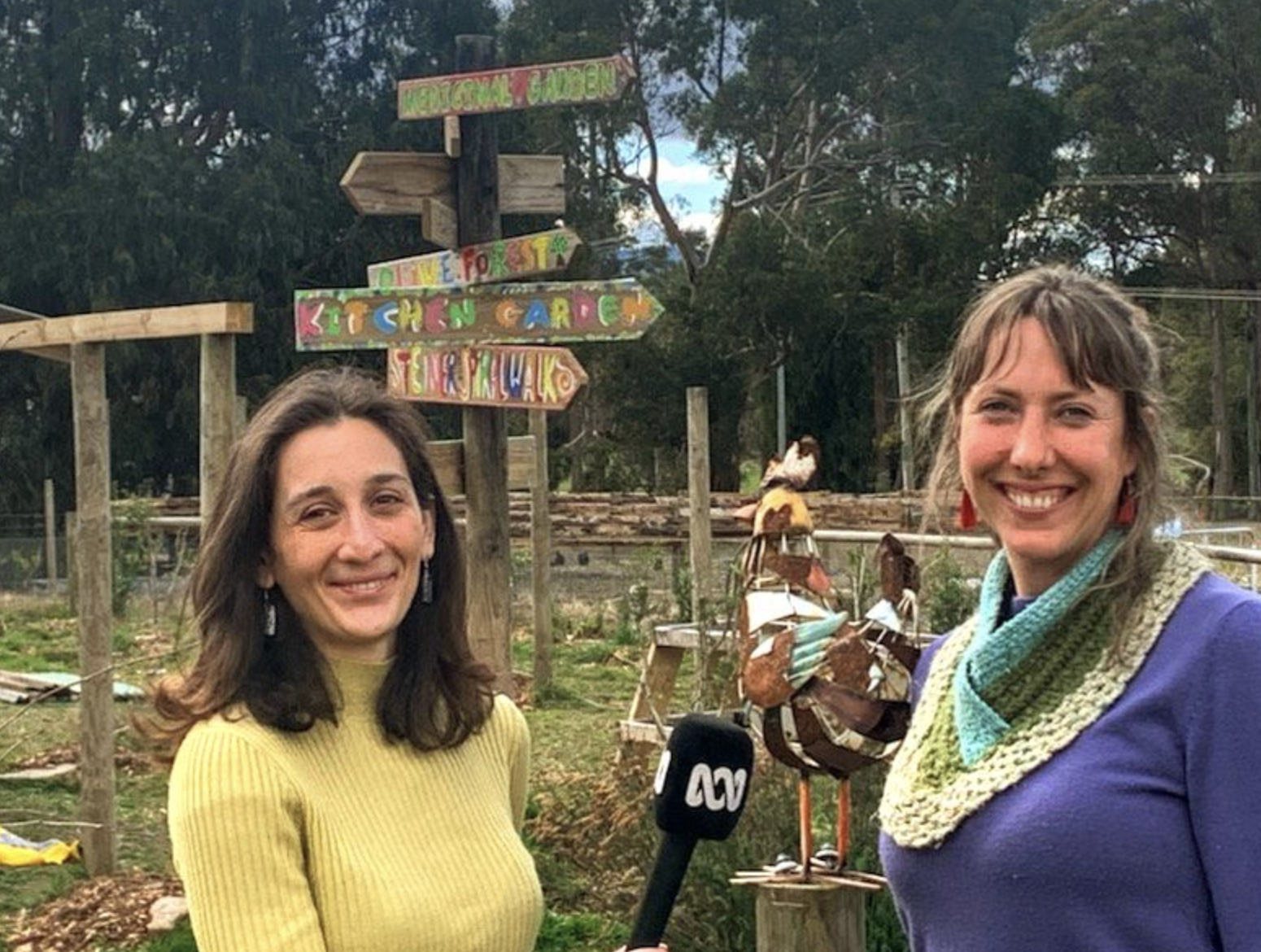
Among those who have visited and contributed to events connected with the farm is localisation advocate Helena Norberg-Hodge, whose work on local economies and community resilience has been an important inspiration.
The farm, with colleagues from Bio-dynamics Tasmania has also hosted gatherings marking the centenary of biodynamic agriculture with Ueli Hurter head of bio-dynamics international, reflecting on one hundred years since the original agricultural lectures that helped inspire a global movement in ecological farming.
These events have remained modest in scale but meaningful in spirit, bringing together farmers, gardeners, and community members interested in the future of local food.
Food systems practice
The work at Magical Farm sits within a much wider body of food systems practice developed over many years.
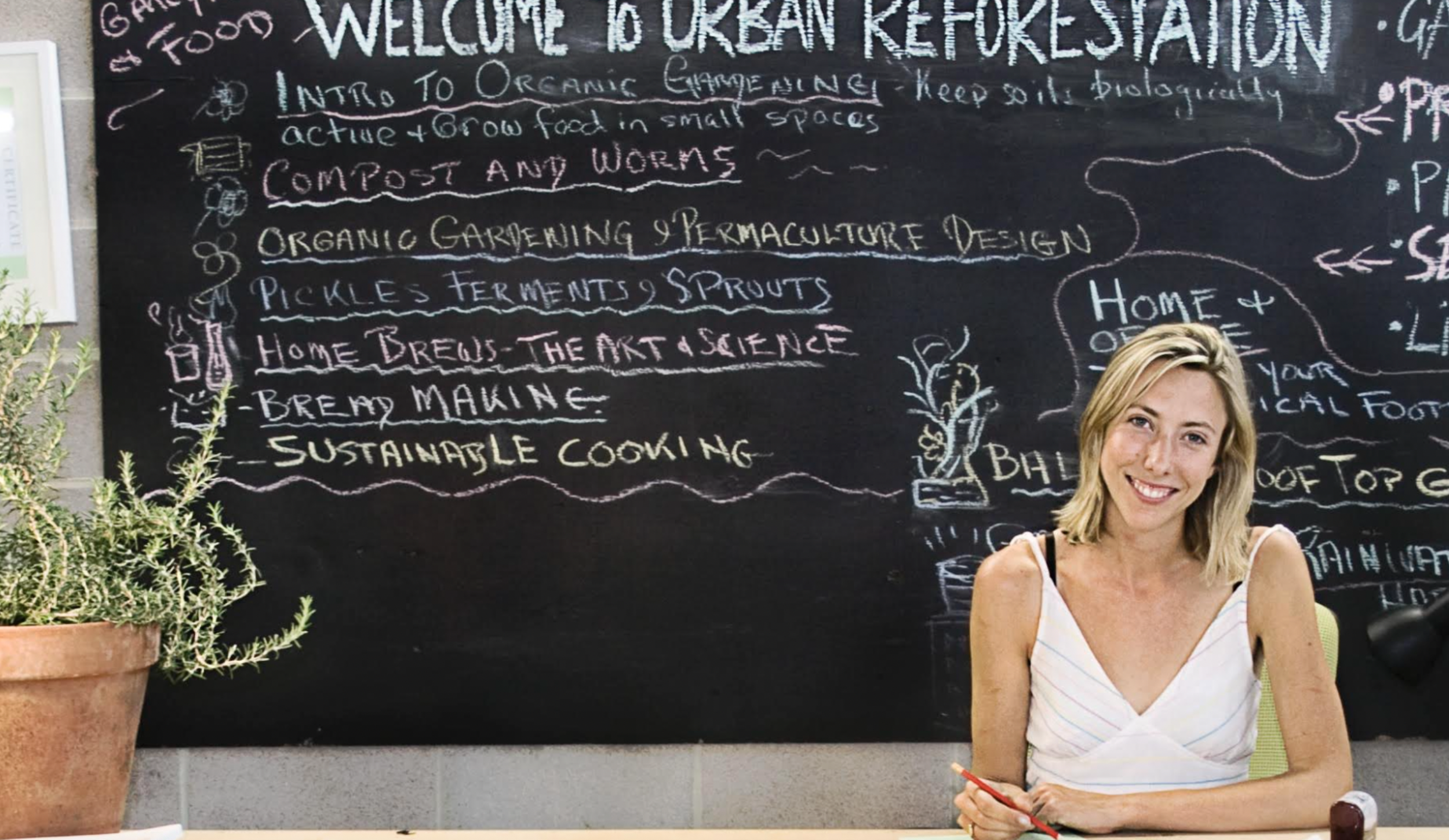
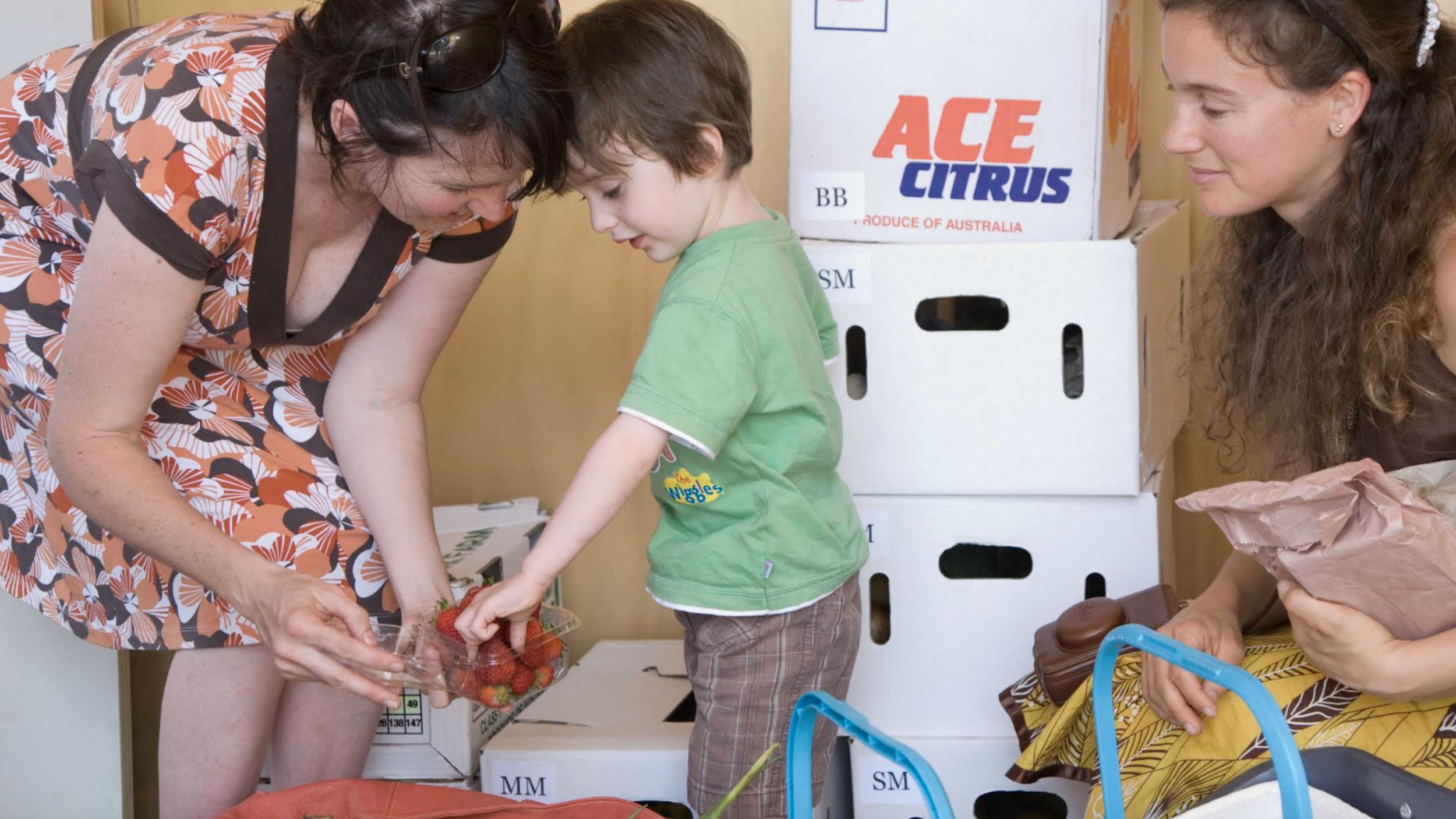
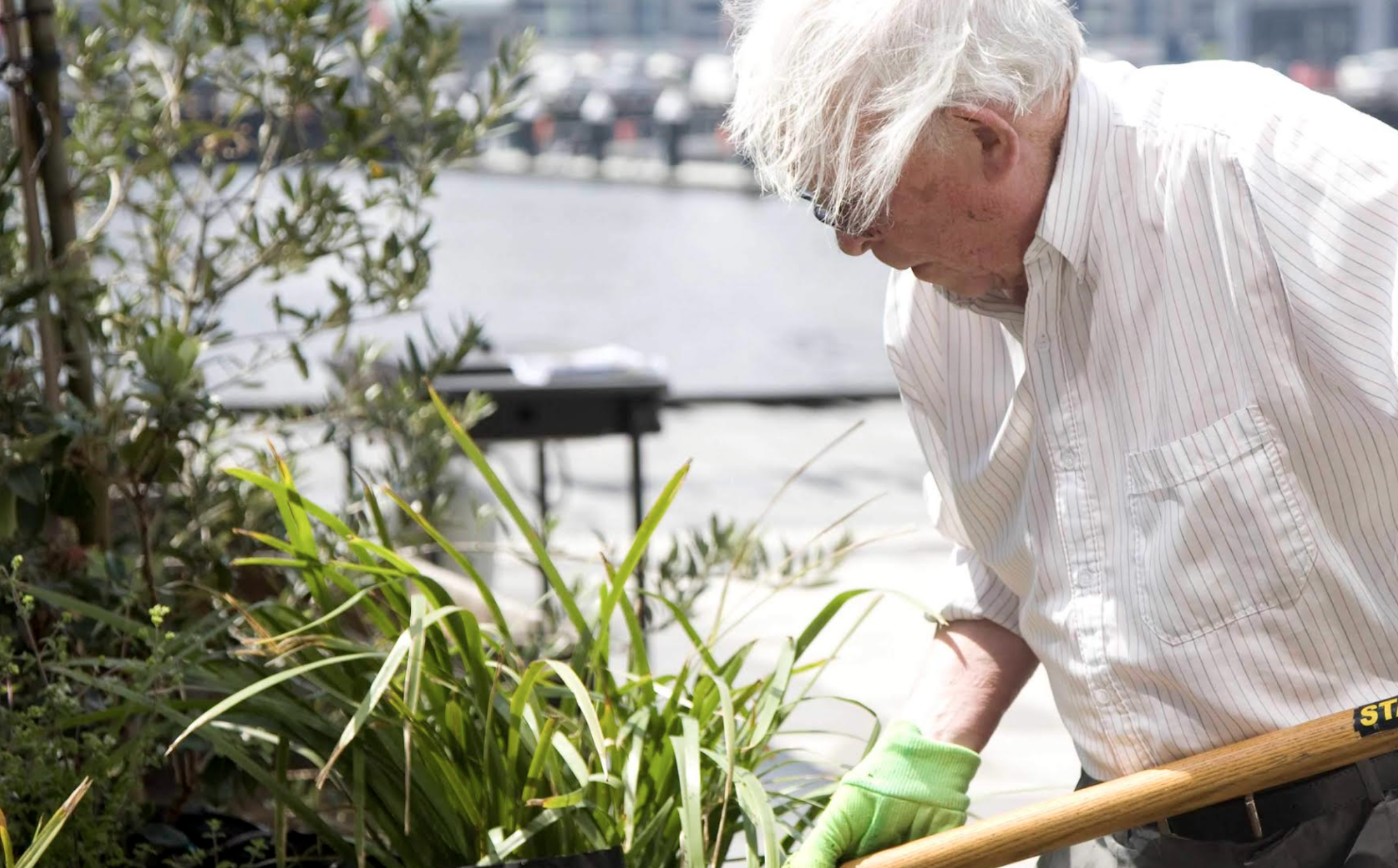
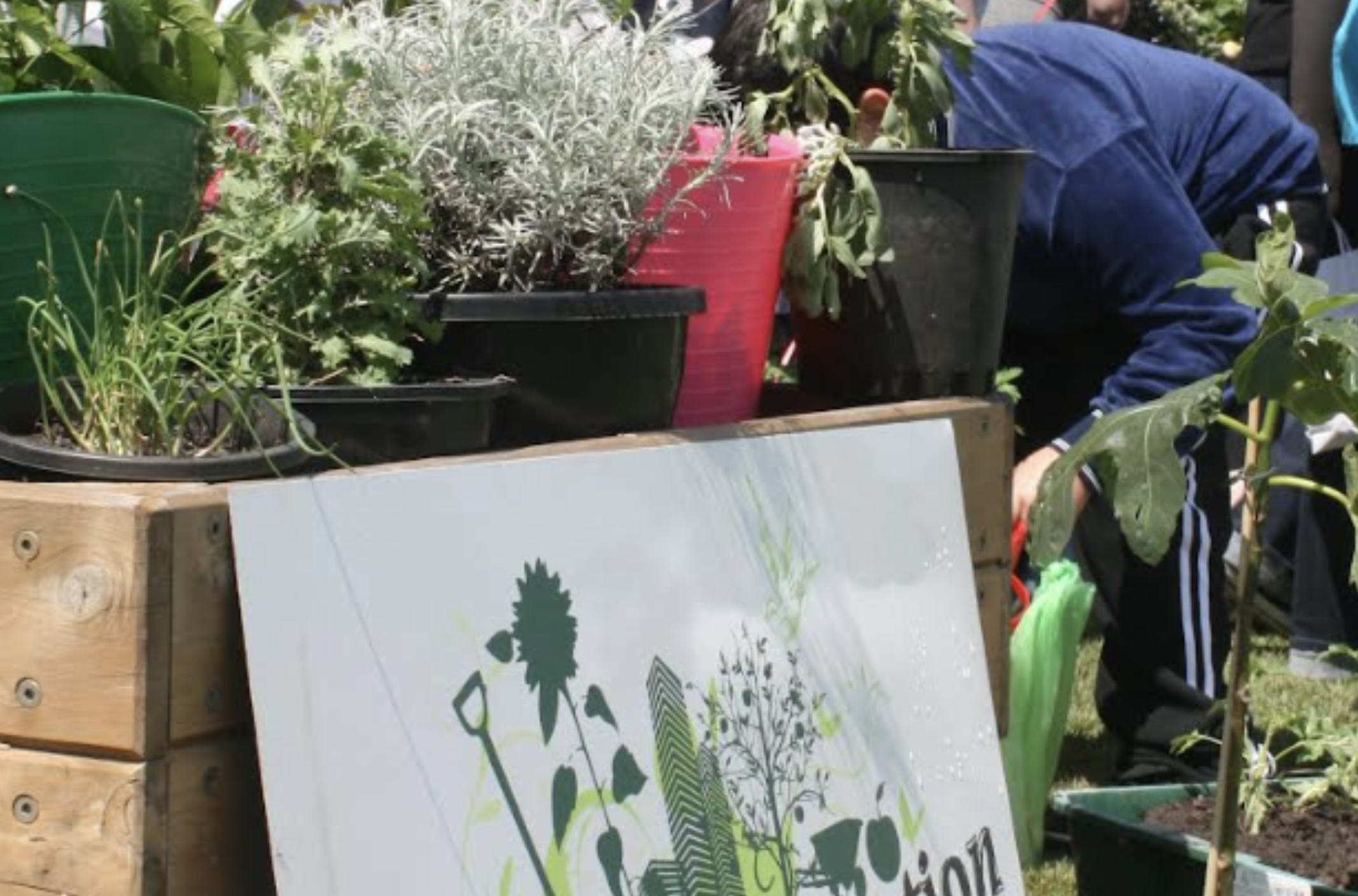
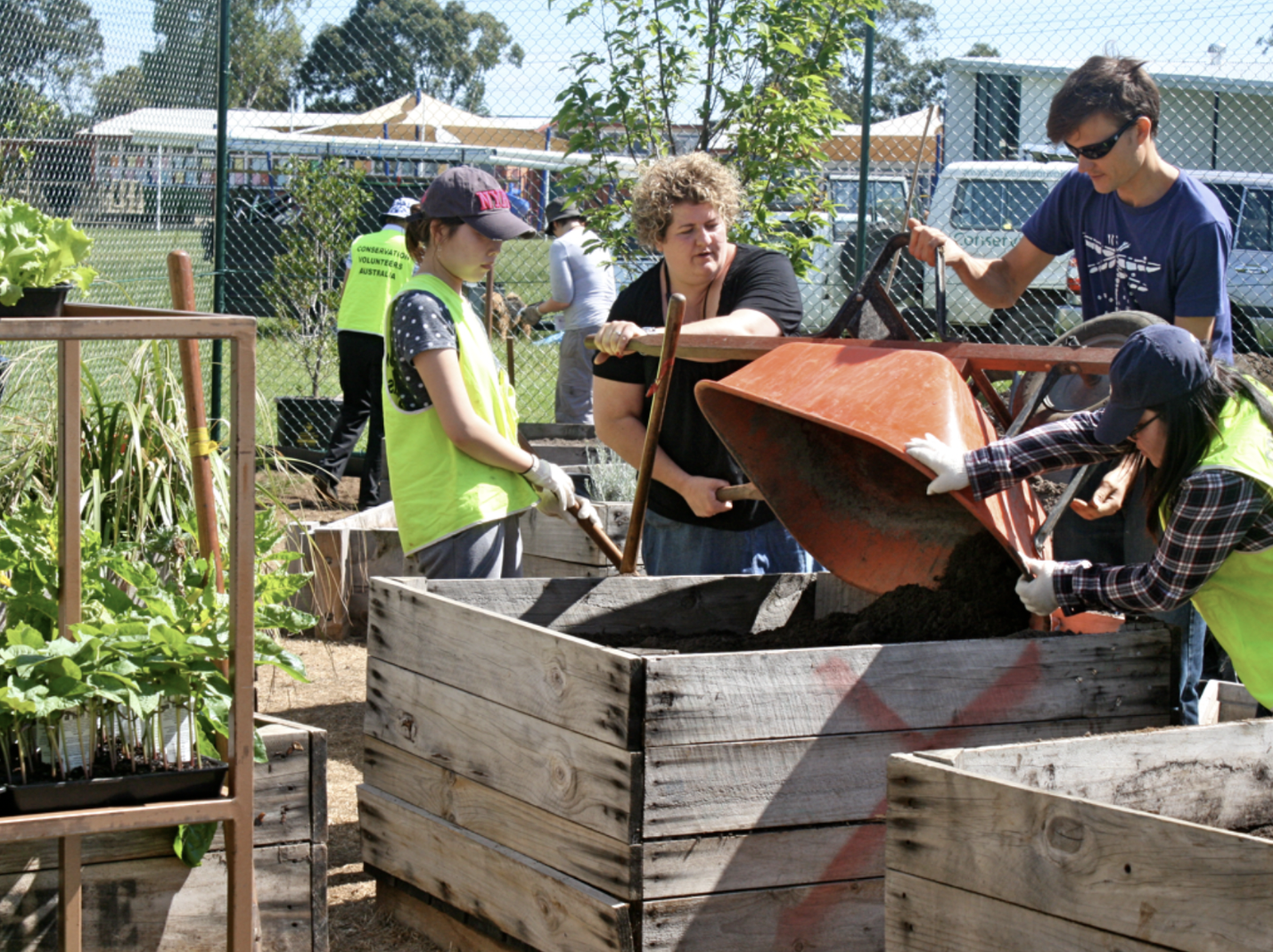
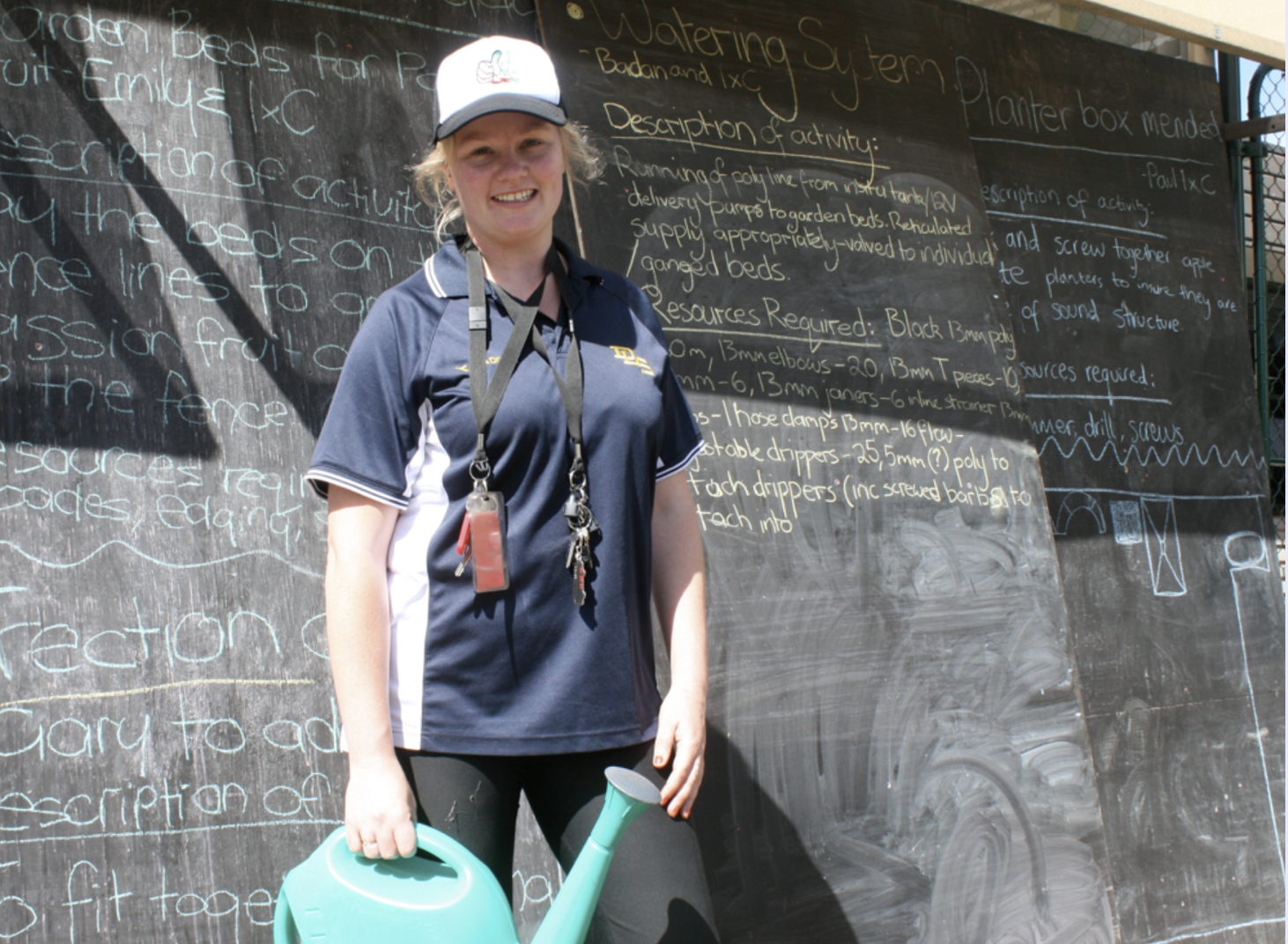
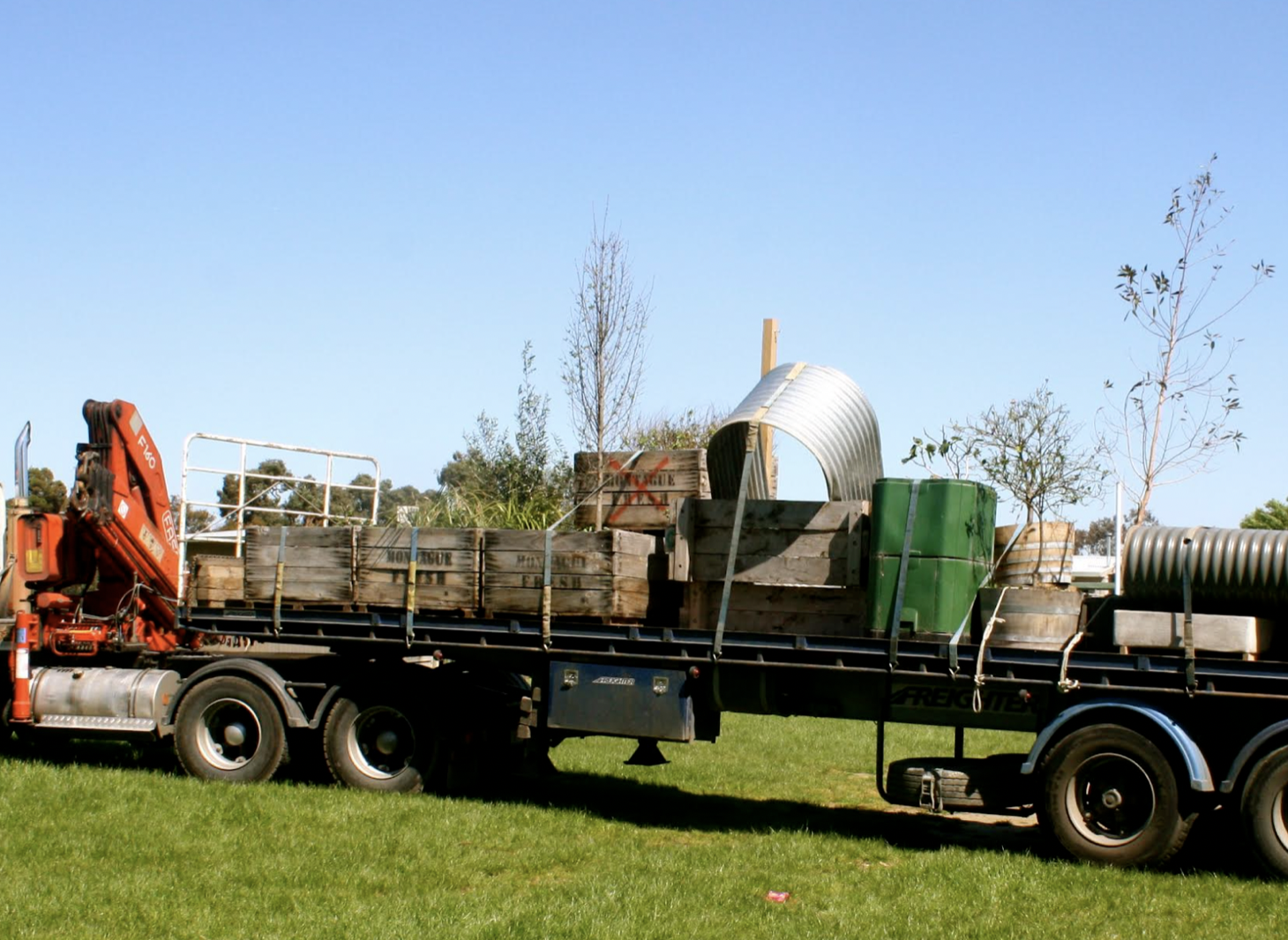
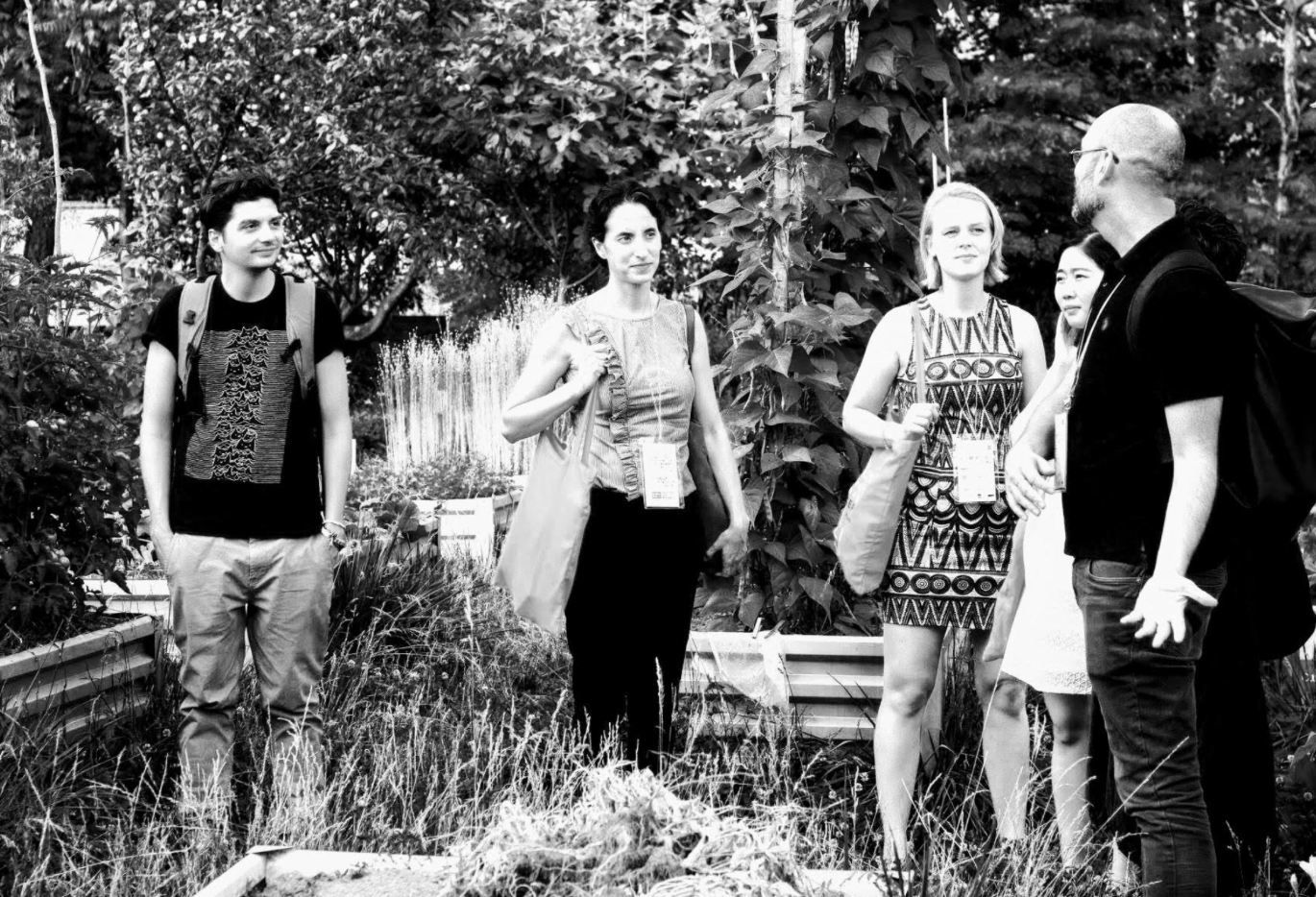
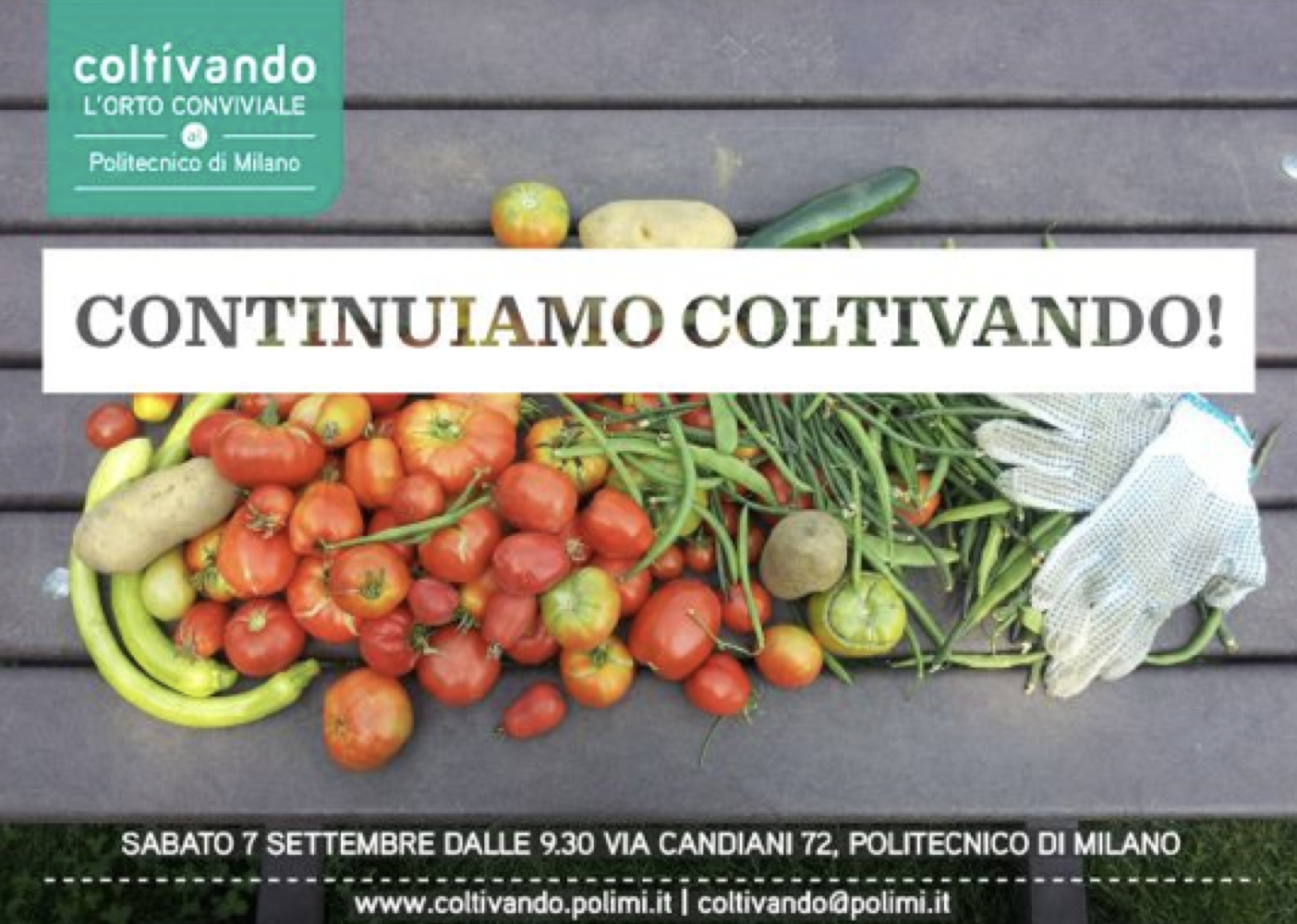
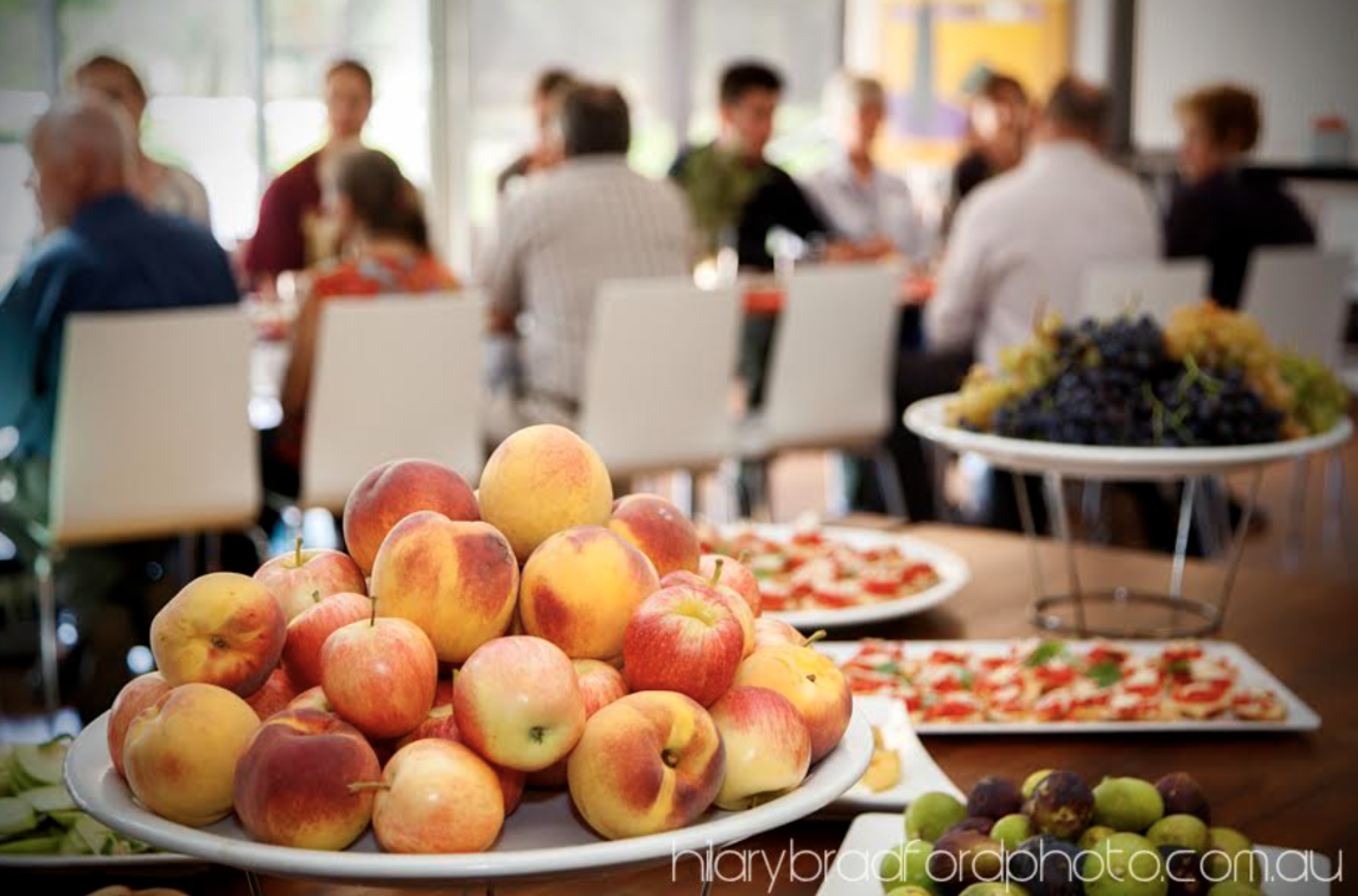
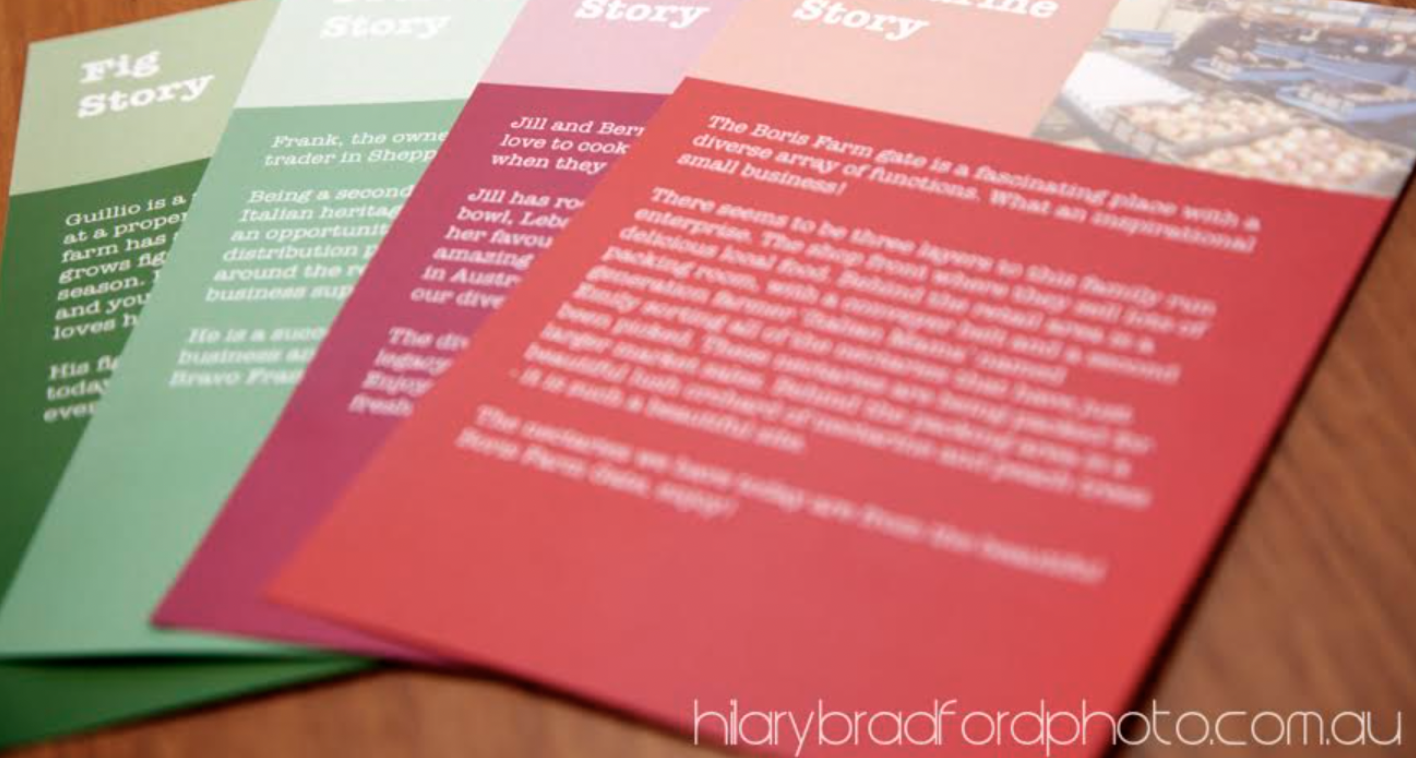
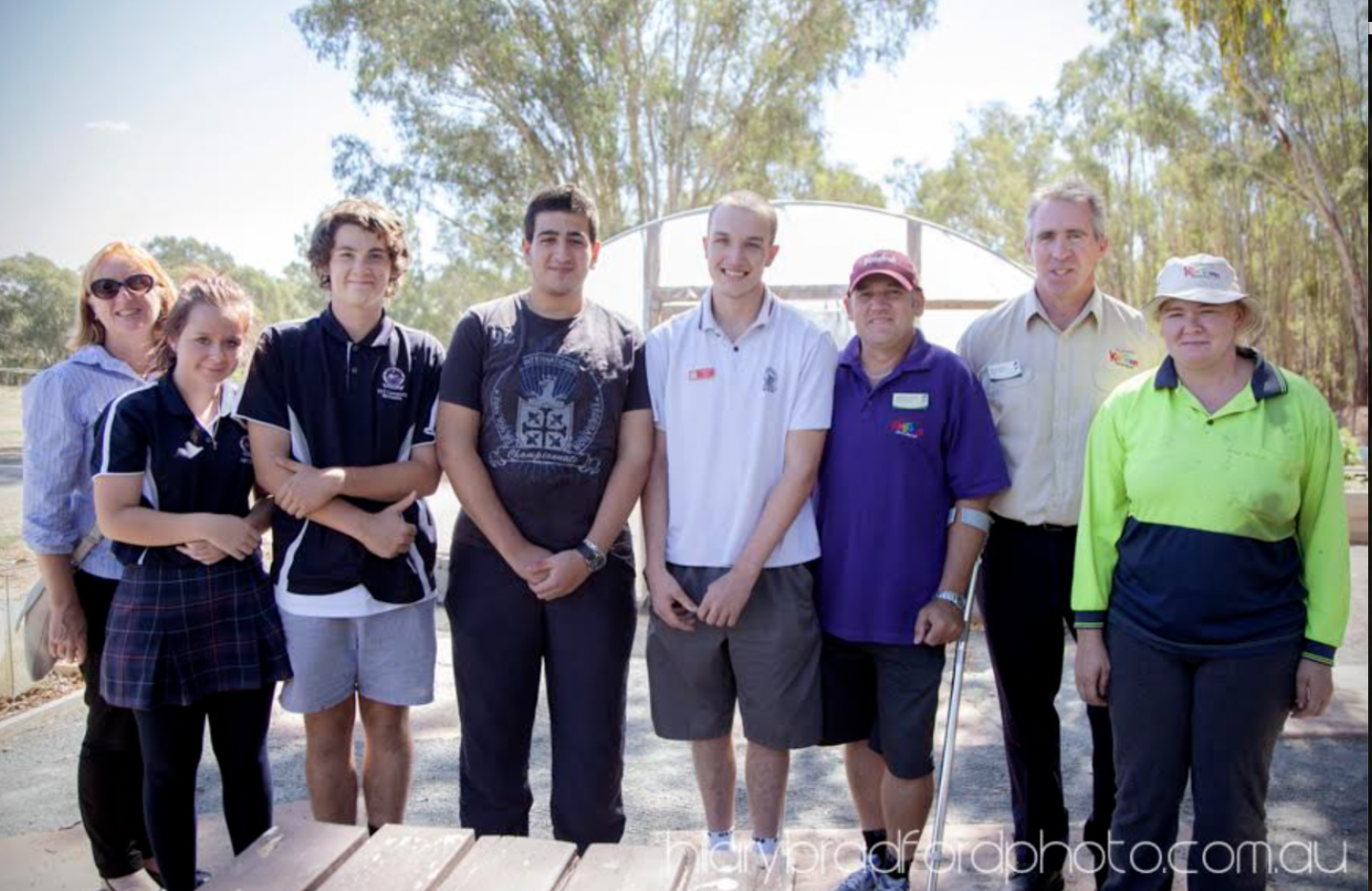
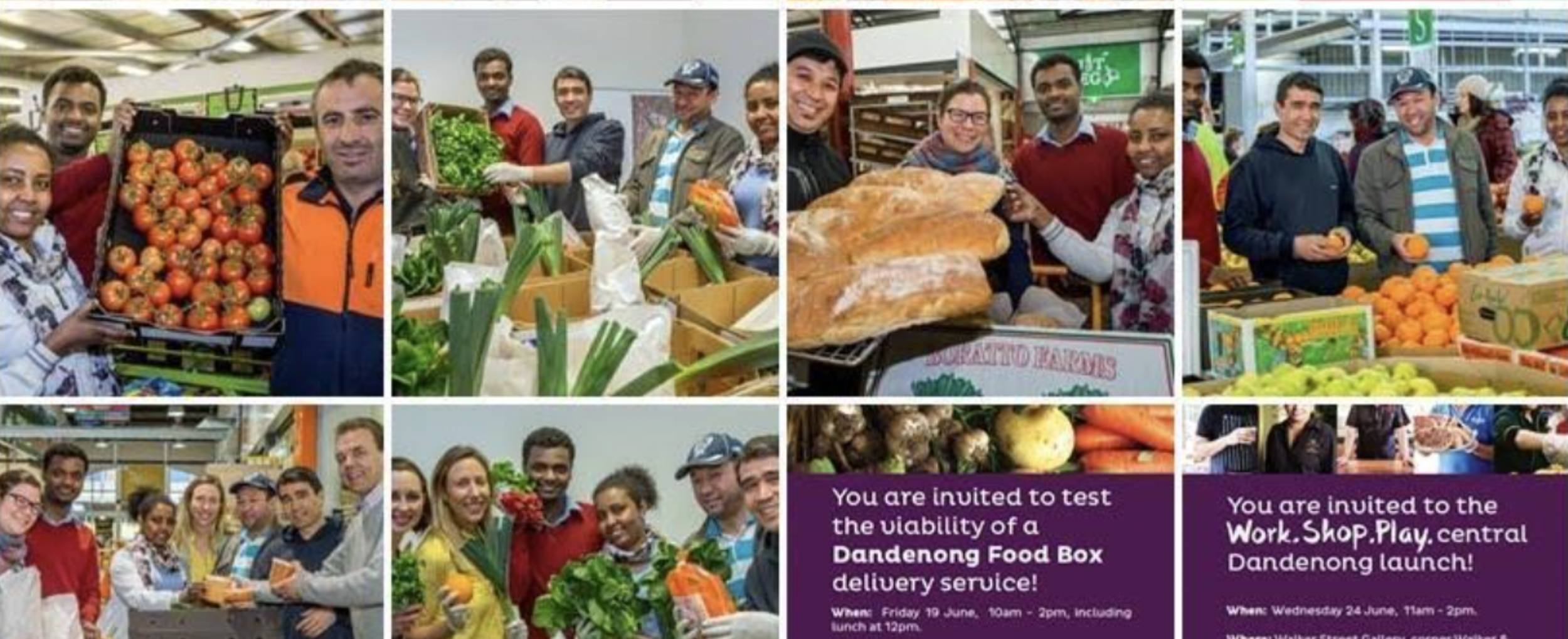
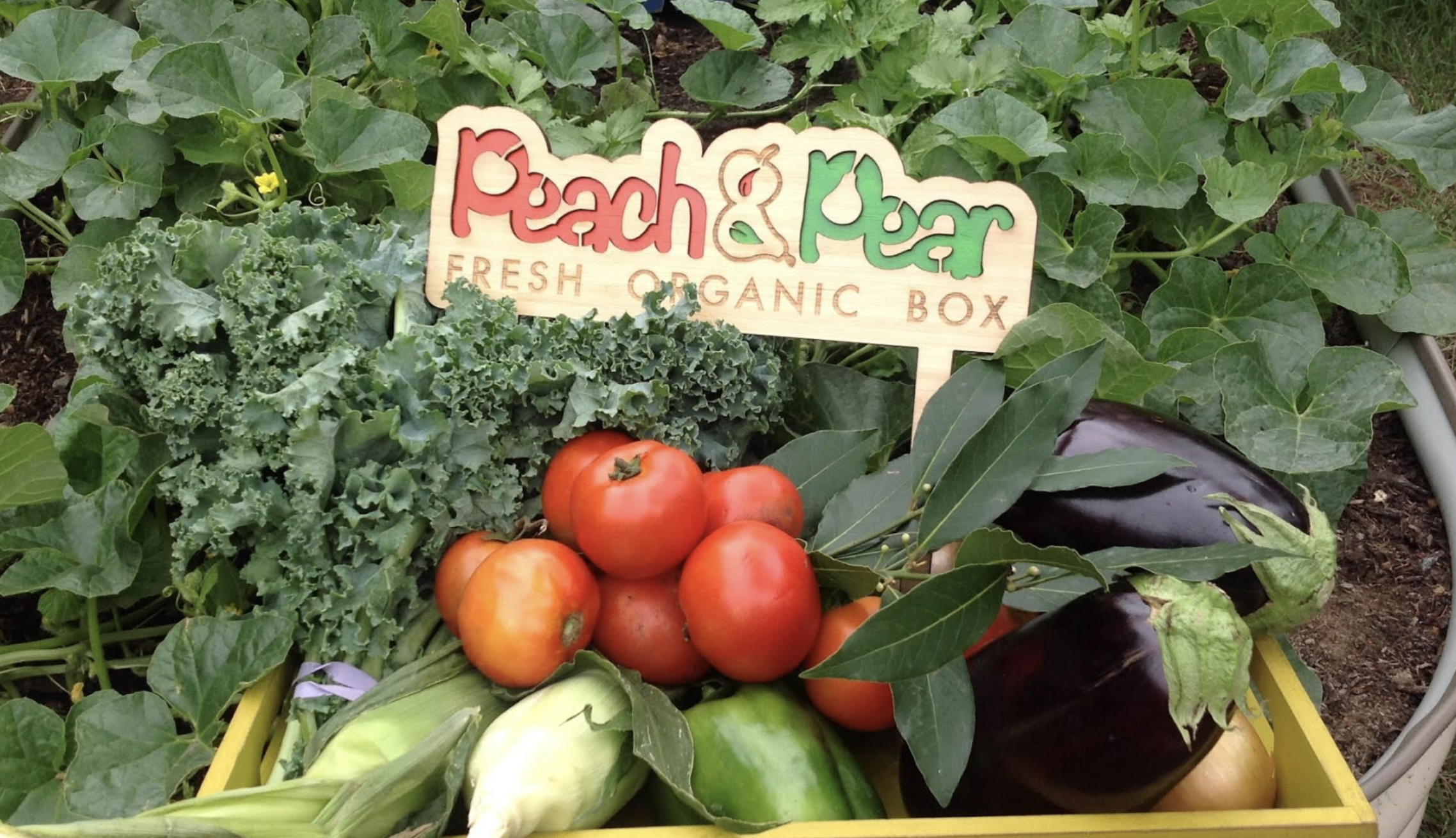
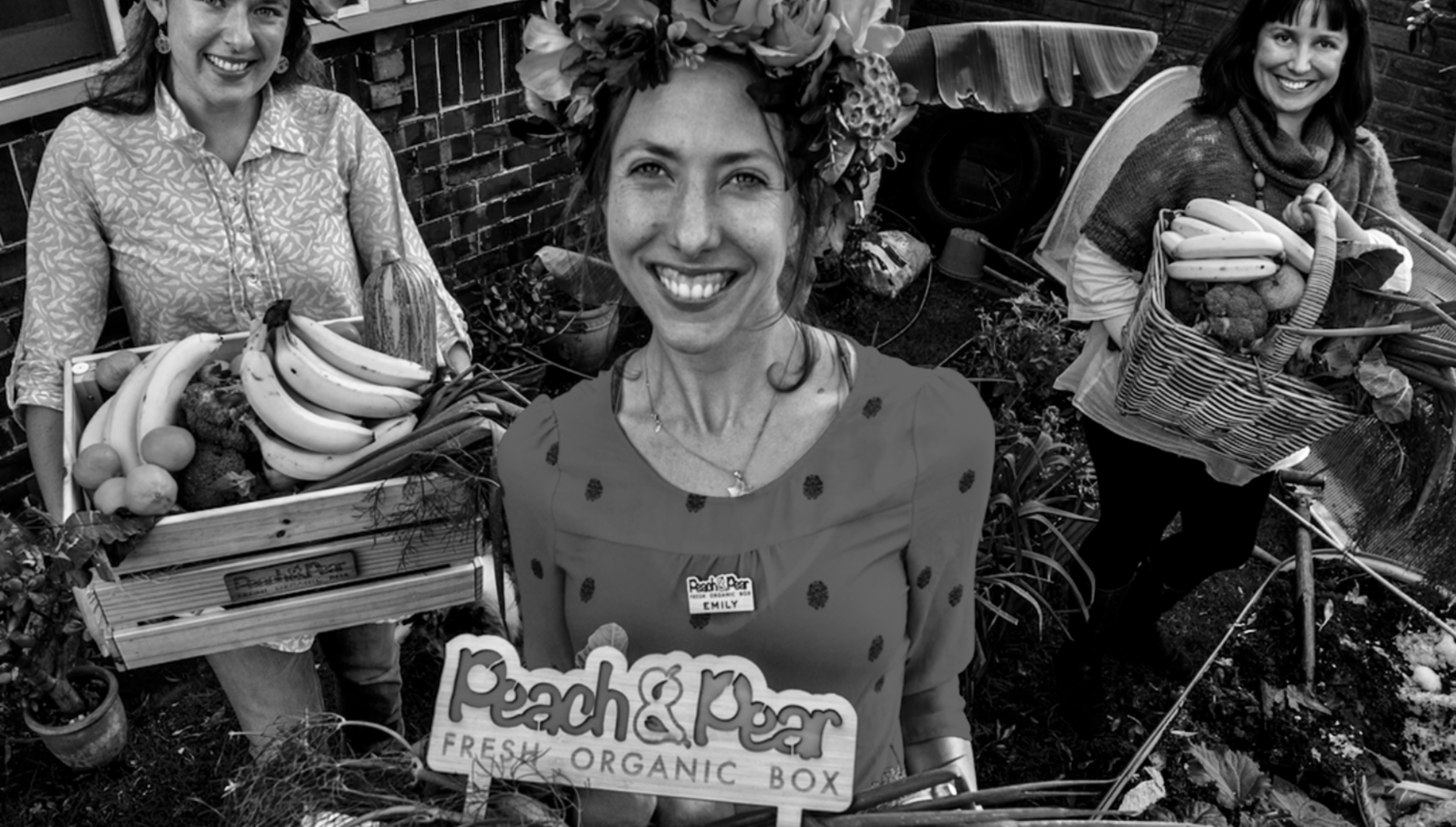
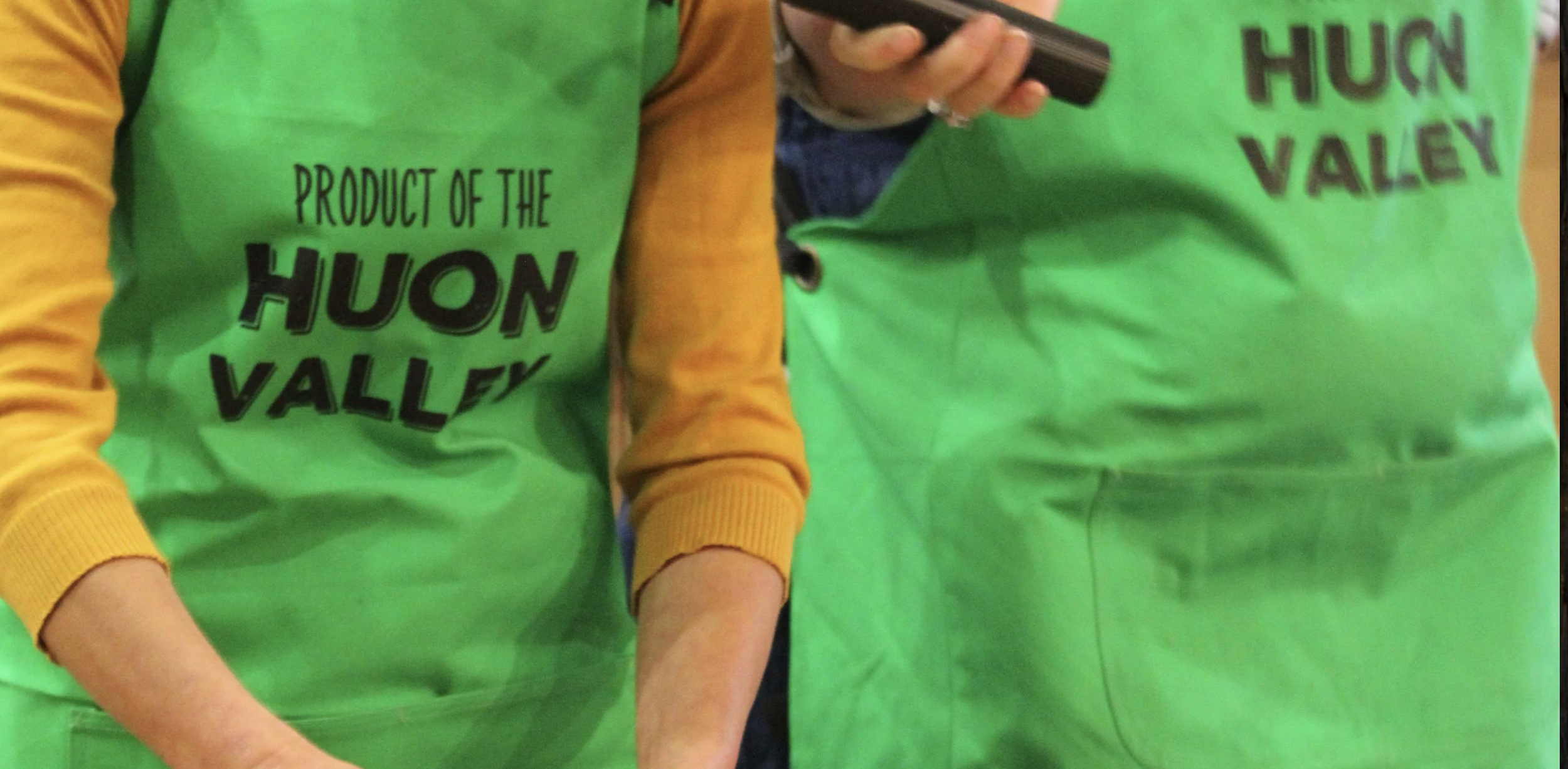
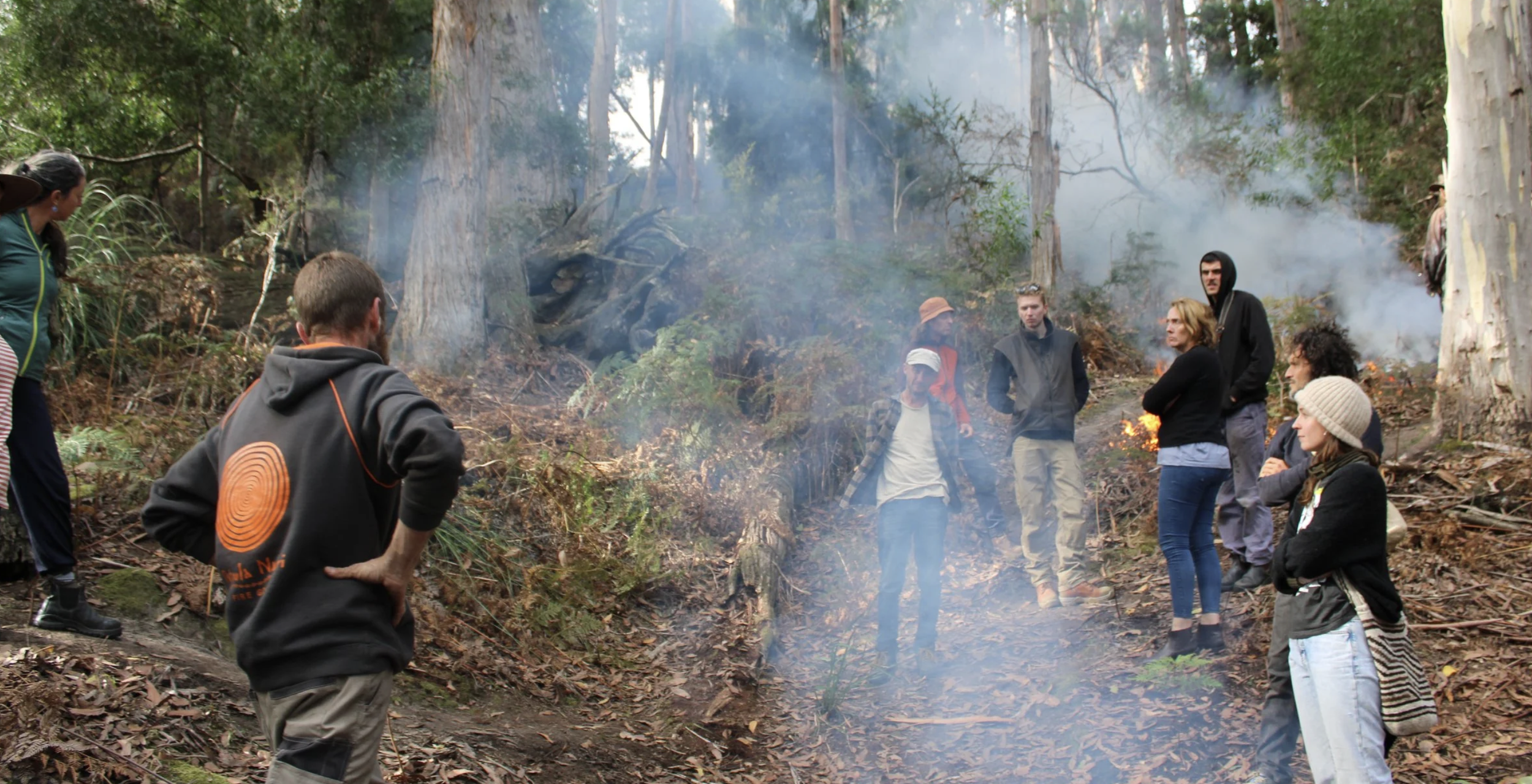
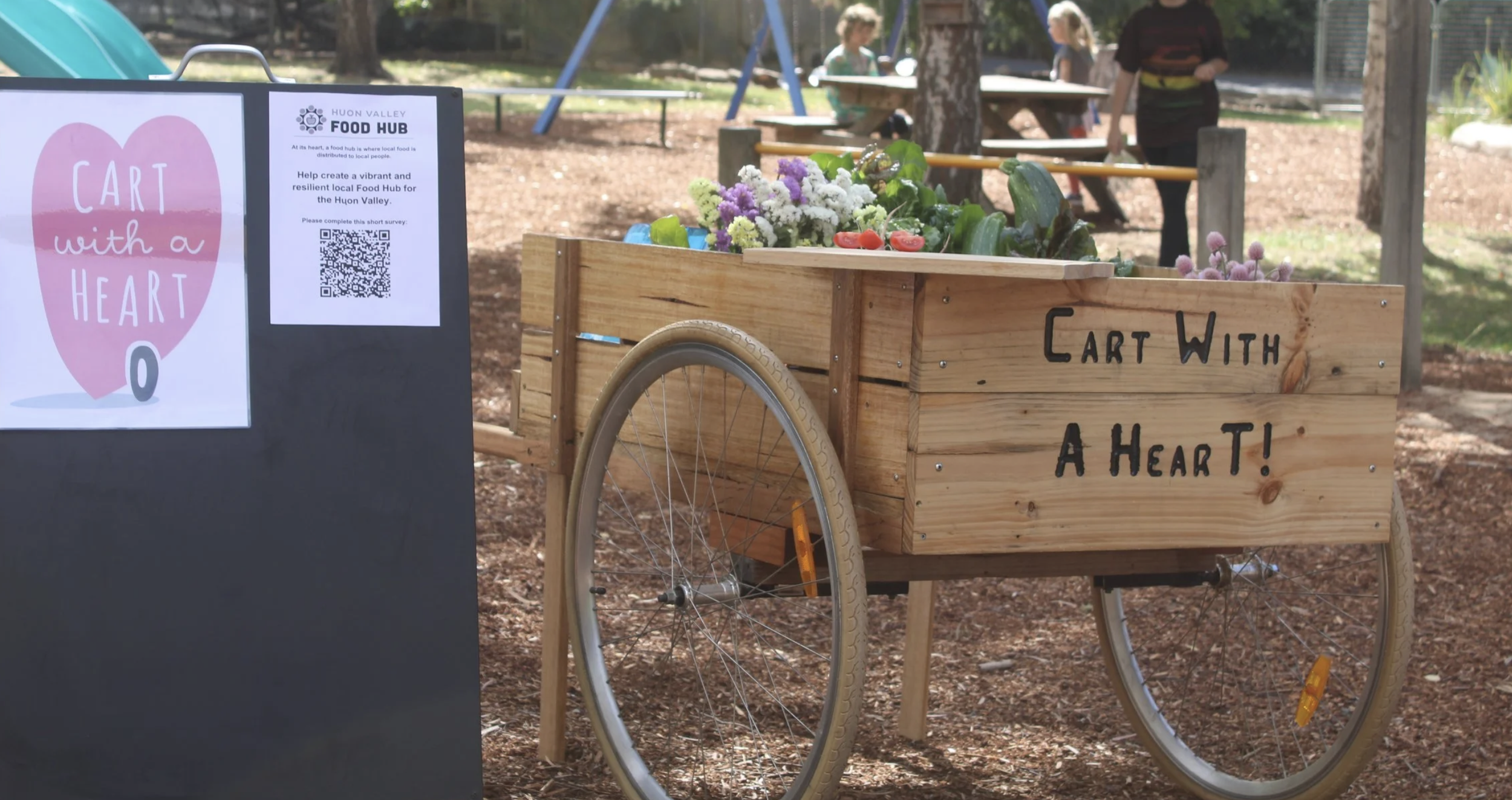
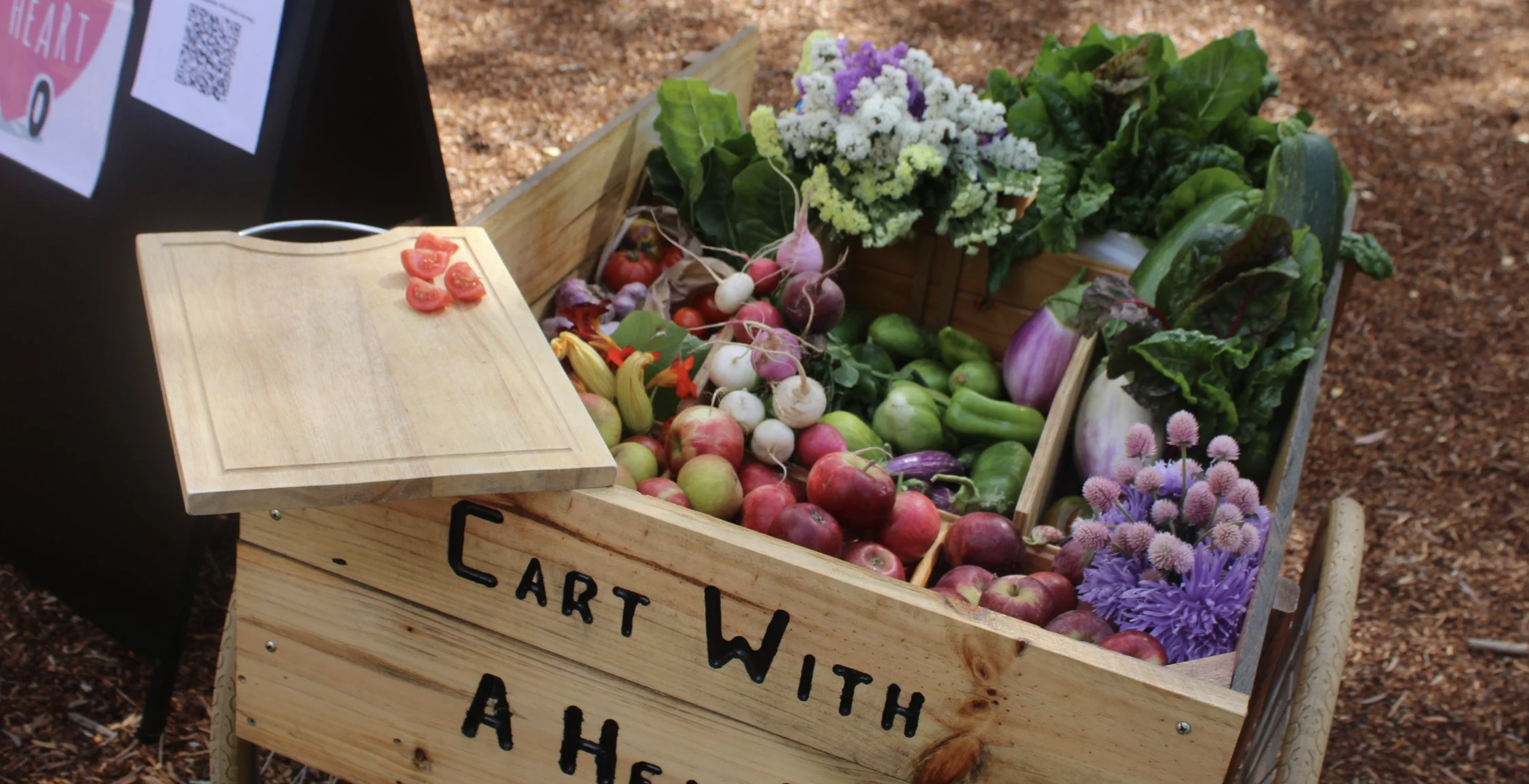
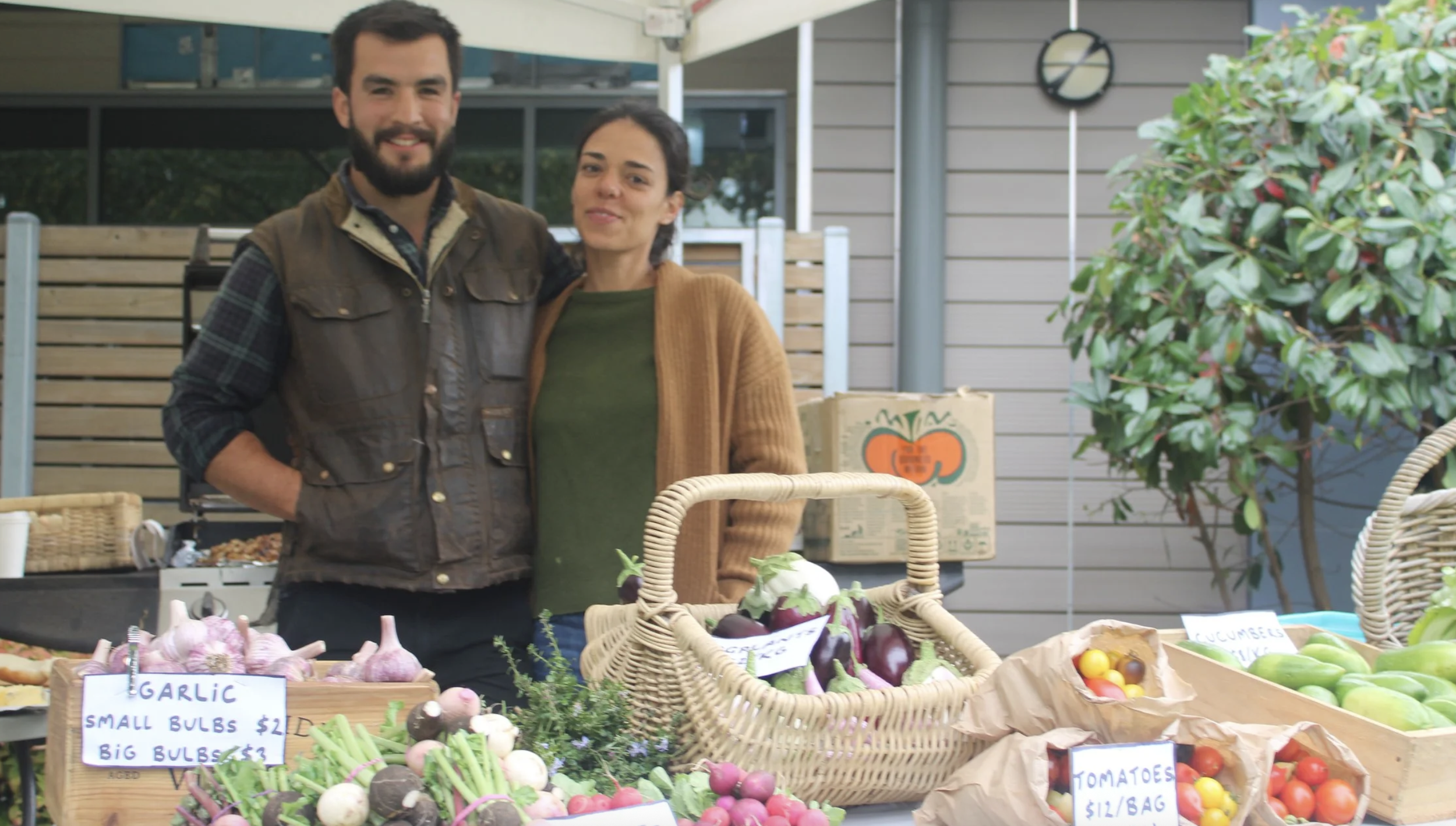
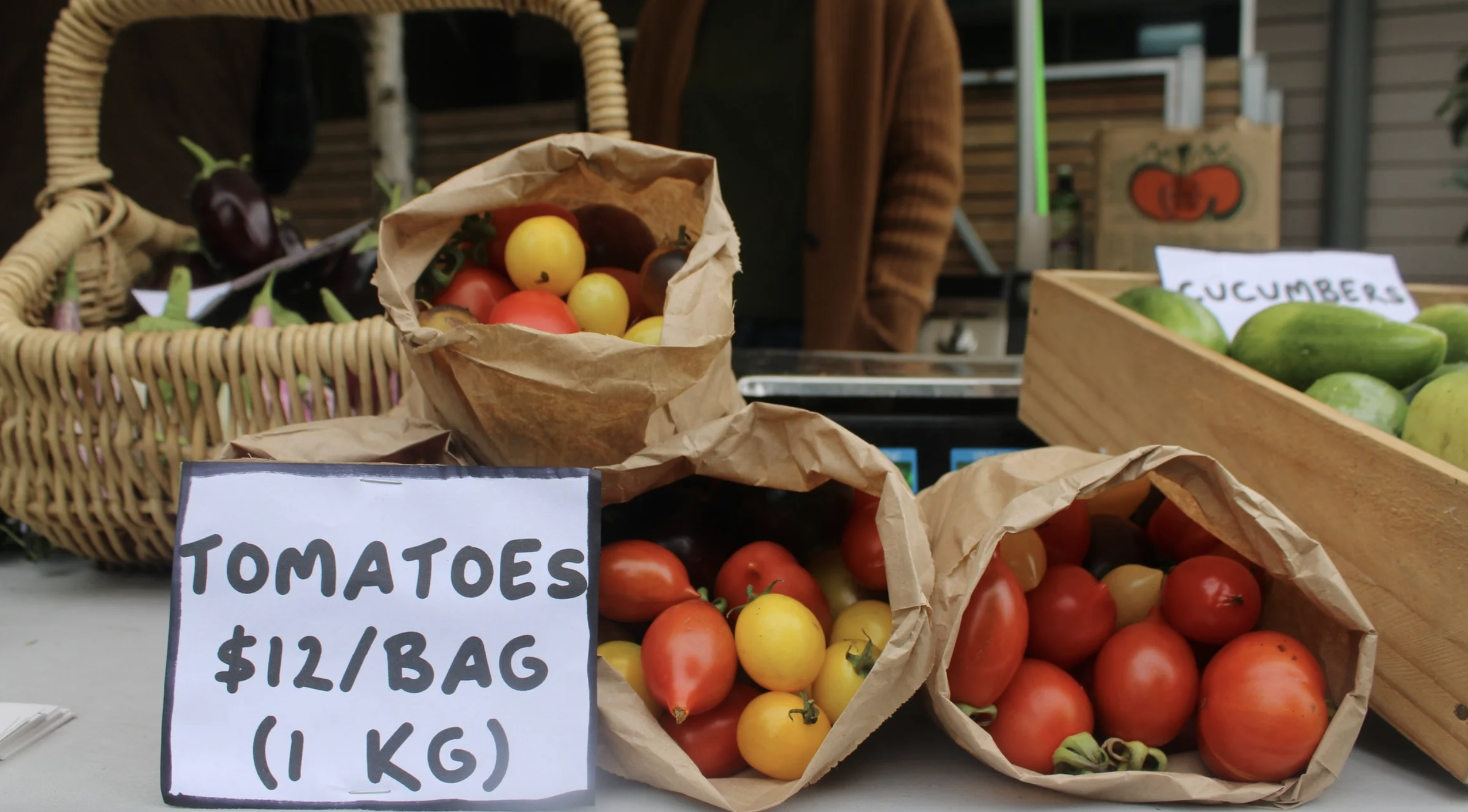
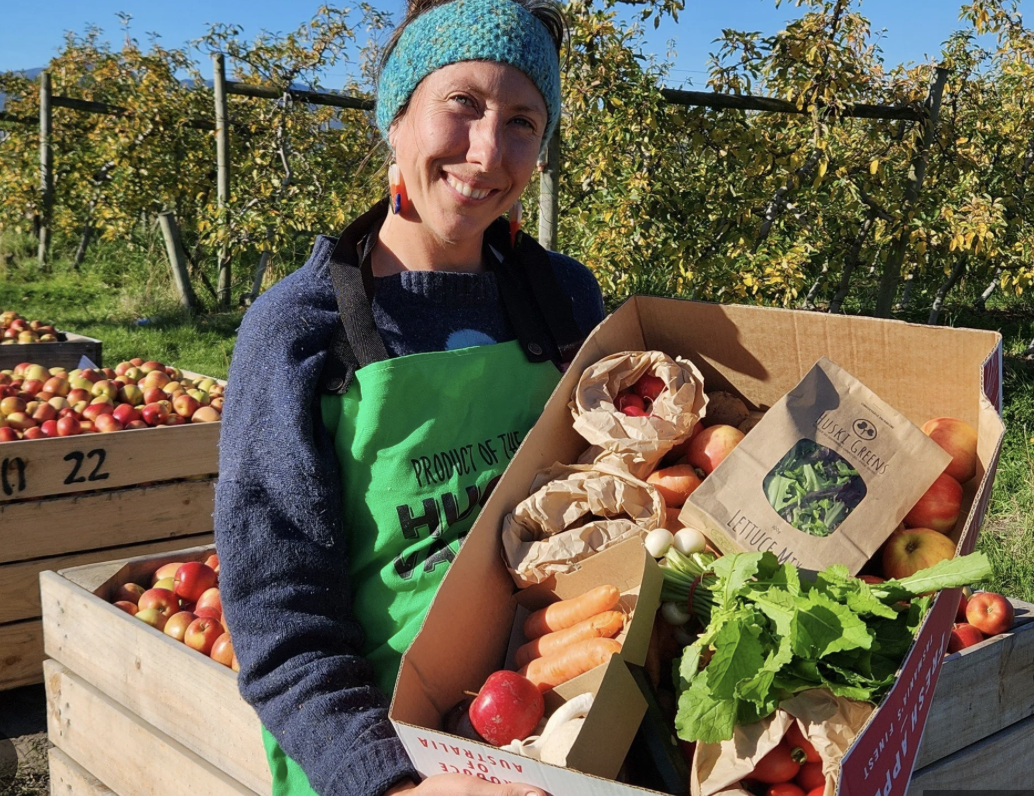
This includes award winning projects such as Huon Valley Food Hub, Politecnico di Milano COLTIVANDO Garden and Docklands Convivial Food Garden in Melbourne. As well as the Peach & Pear Food Box initiative, and the Shepparton Food Hub, among others.
These initiatives explored how communities can strengthen local food economies through farmer collaboration, shared infrastructure, and regional coordination.
Together these projects form part of a broader body of work exploring how local food systems can function when communities actively invest in relationships between land, farmers, and citizens.
A wider portfolio connecting these initiatives can be seen through the Con Viv Design Portfolio.


From doctoral research to a living place
Magical Farm also grew from doctoral research reflecting on this body of food systems practice.
The research explored how communities can activate local food systems by creating the conditions for cooperation between farmers, citizens, and institutions.
One conclusion became increasingly clear: while there is often strong policy language supporting local food systems, there are very few places where these ideas can be implemented, tested, and refined in practice.
Magical Farm emerged as an attempt to create such a place, a landscape where ideas about soil, food, community, and local economies could be explored through real activity.
A place to put ideas into practice
The intention behind Magical Farm was simple.
After many years working alongside and within local government, it became clear that meaningful change in food systems requires places where people can gather, experiment, and learn directly from land and community practice.
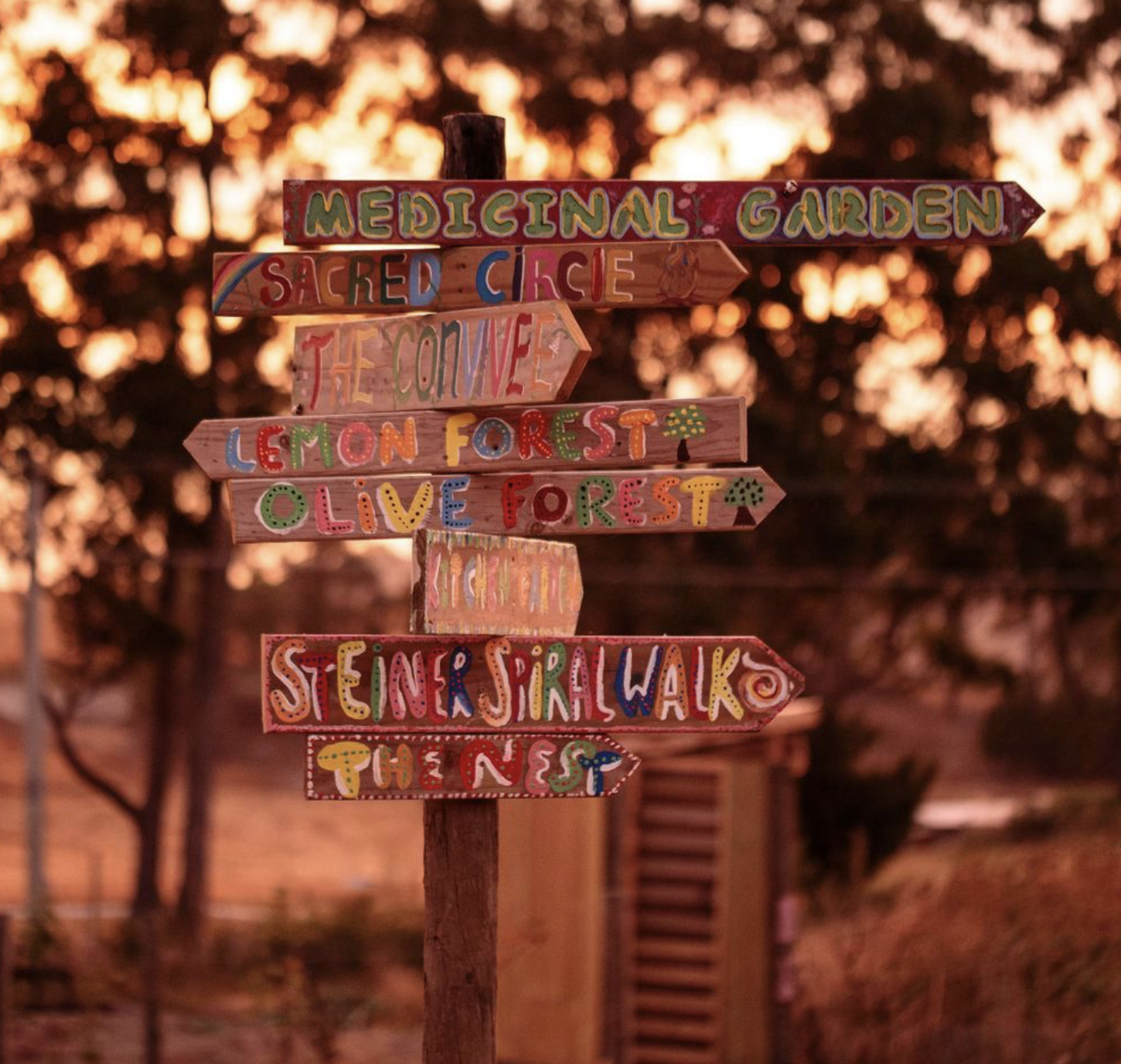
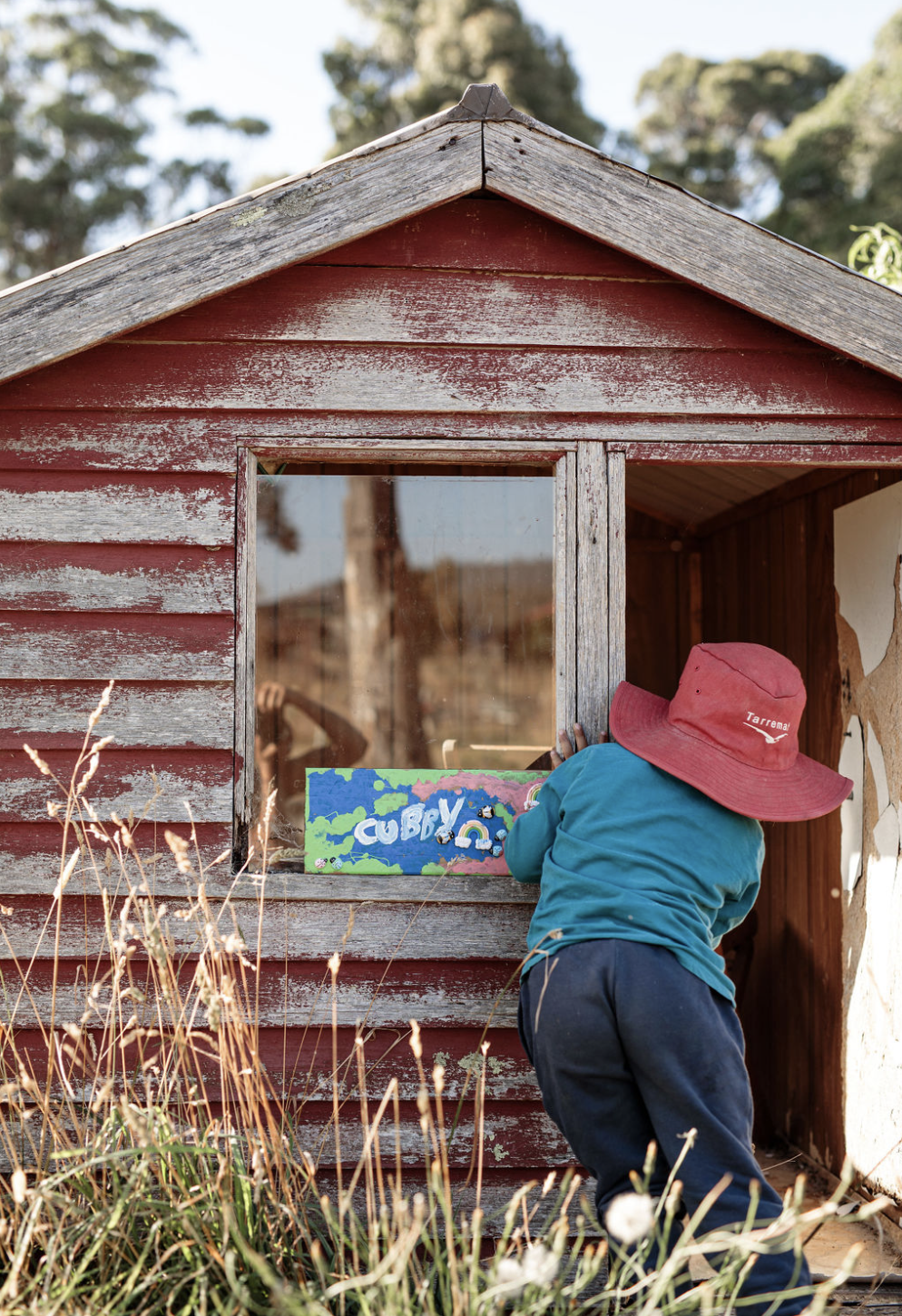
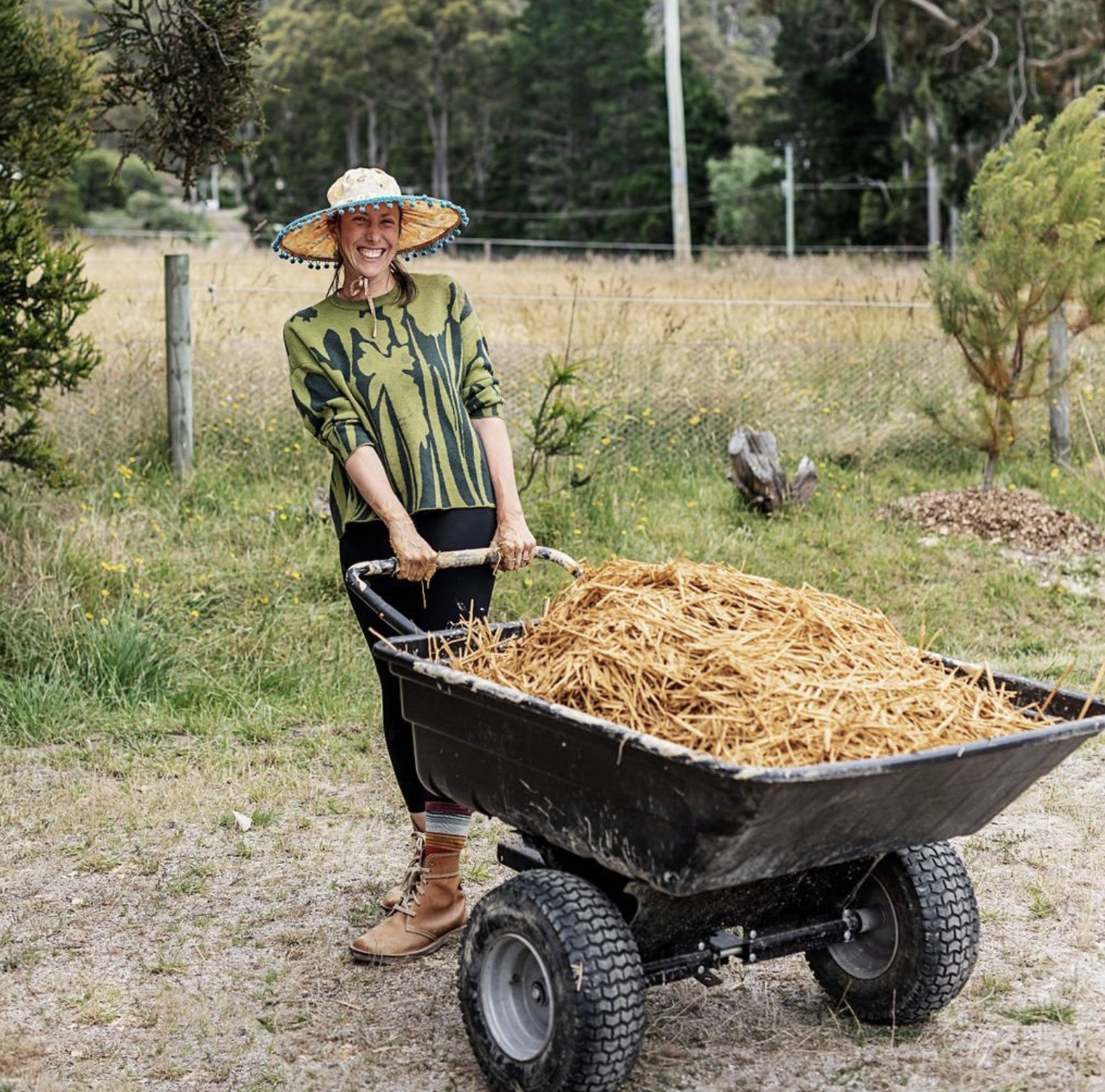
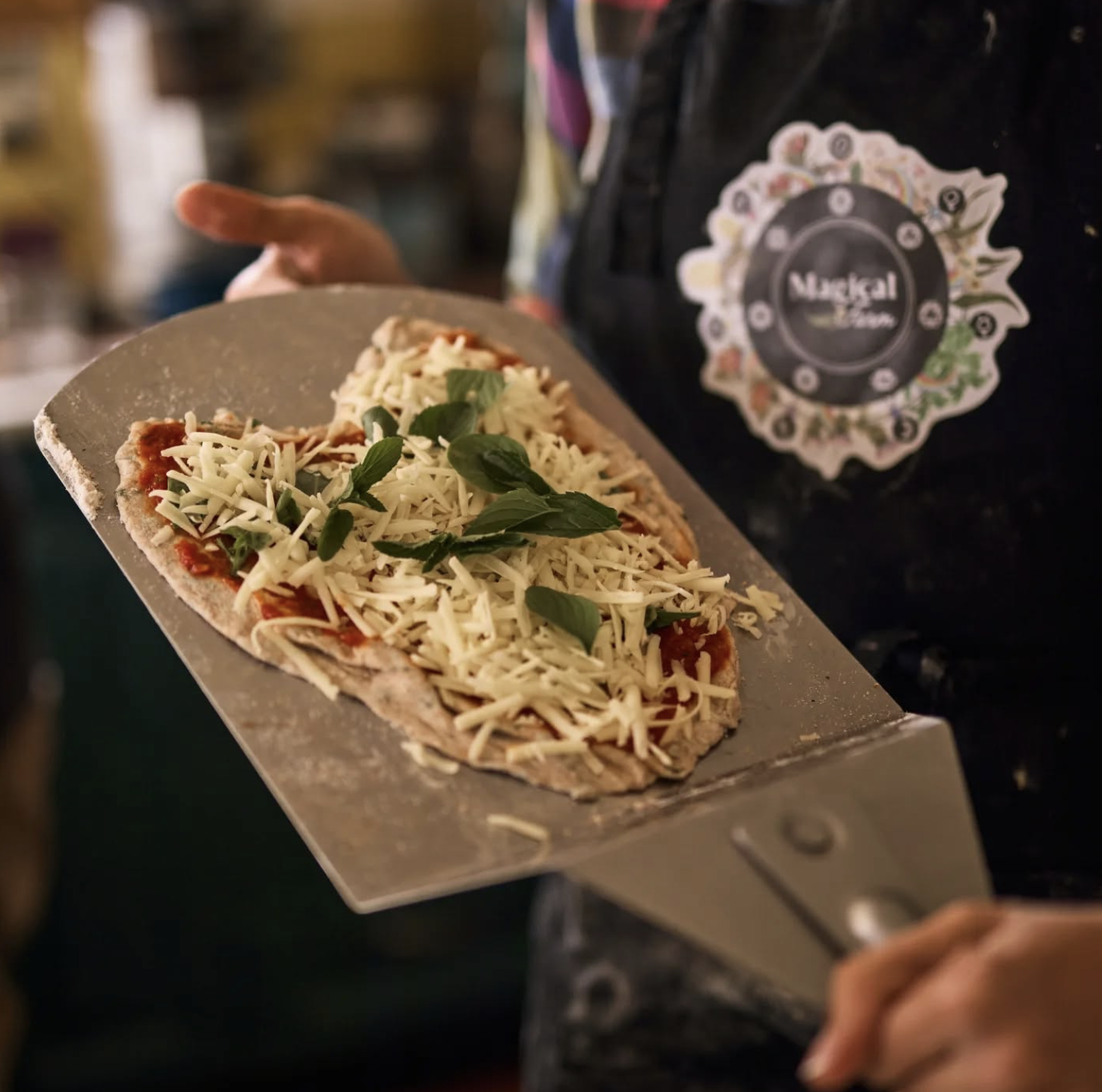
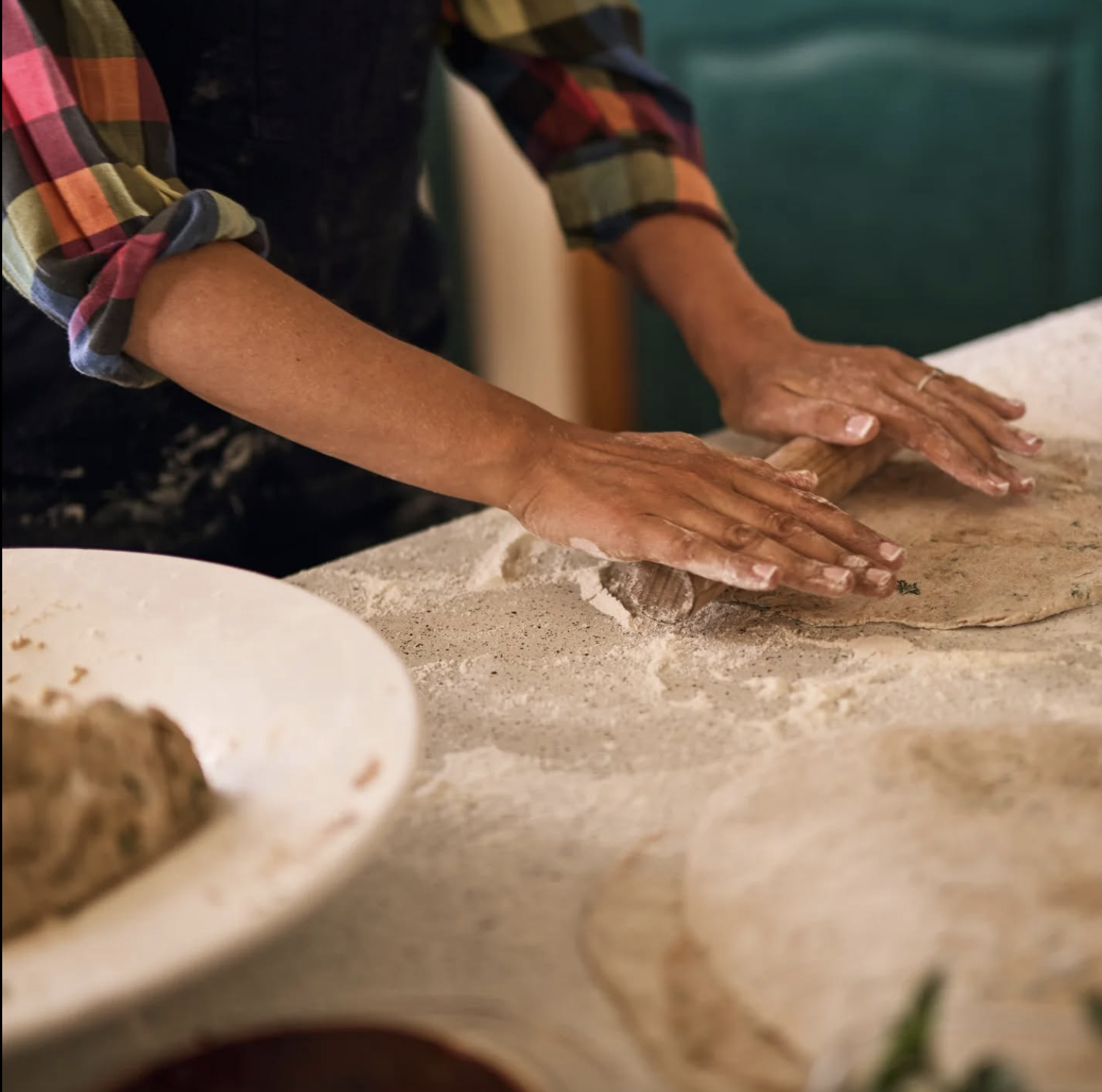
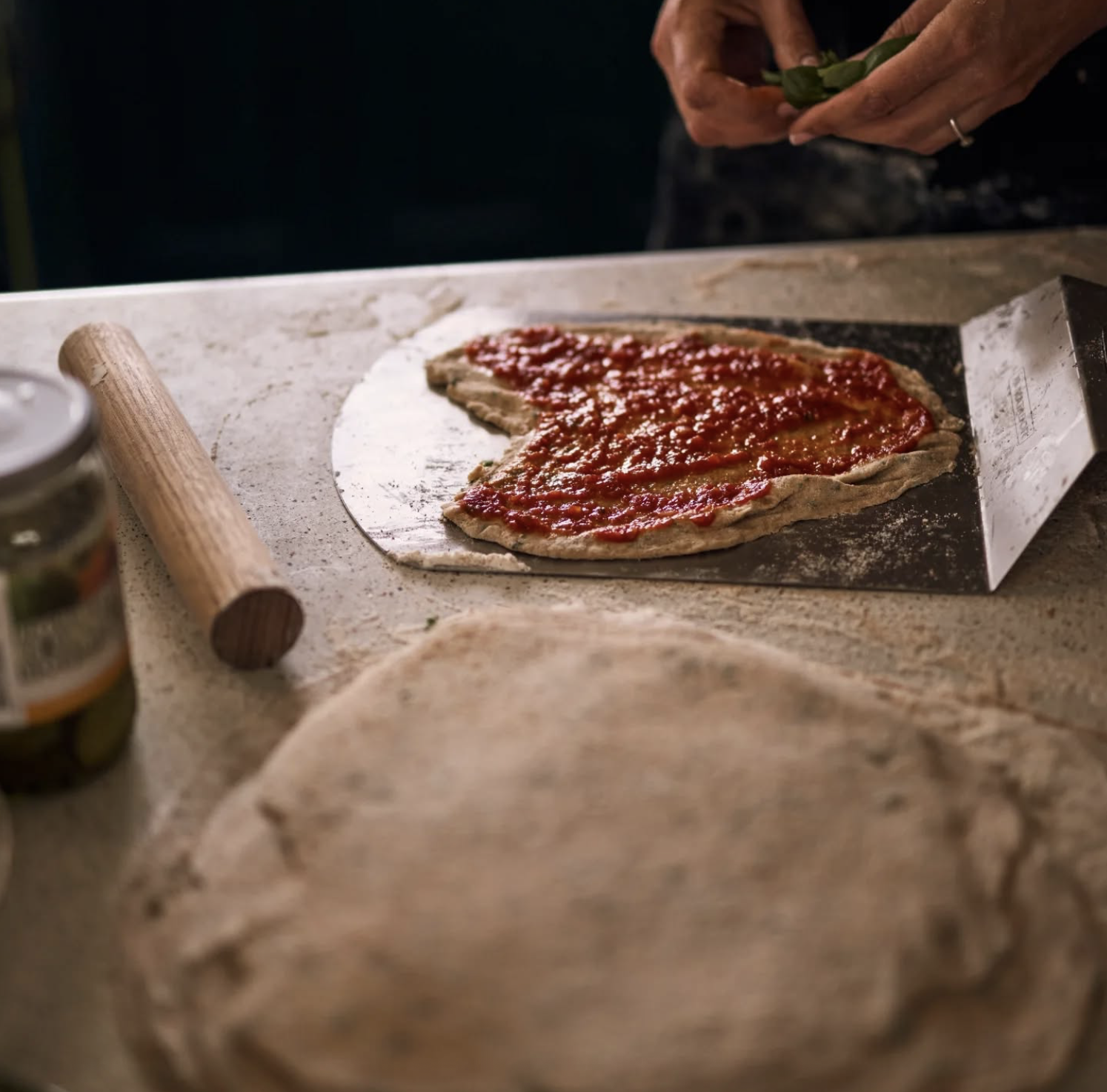
Magical Farm became one such place: a small landscape where seeds could be grown, food shared, and ideas about local food systems explored through everyday activity.
The reality of planning systems
Yet the experience also revealed a deeper challenge.
Even modest attempts to bring people together around land, food, and learning can encounter significant regulatory barriers within planning systems that were never designed with community-scale agricultural learning in mind.
This has been a difficult lesson.
Despite years of work developing food initiatives, building community networks, and working within institutions, efforts to create simple spaces for place-based learning have often encountered institutional limitations.
These tensions reveal a wider gap within our systems.
The knowledge required to care for land, support farmers, and strengthen local food economies, what might be called living systems knowledge — is still rarely recognised within the planning and policy frameworks that shape our societies and economies.
From Magical Farm to Living Earth College
These experiences ultimately led to the creation of Living Earth College.
If communities are to strengthen their food systems, they need places where knowledge can be shared, ideas can be tested, and people working across farming, policy, and community life can learn together.
While Magical Farm continues as a place of stewardship and observation, the educational work that grew from these experiences now continues through Living Earth College.
Through online programs and collaborative learning initiatives, the college connects people from many regions who are working to activate local food systems in their own places.

Continuing stewardship
Today Magical Farm remains a small home-based farm dedicated to:
• biodynamic cultivation and soil care
• stewardship of a diverse plant landscape
• seed saving and plant propagation
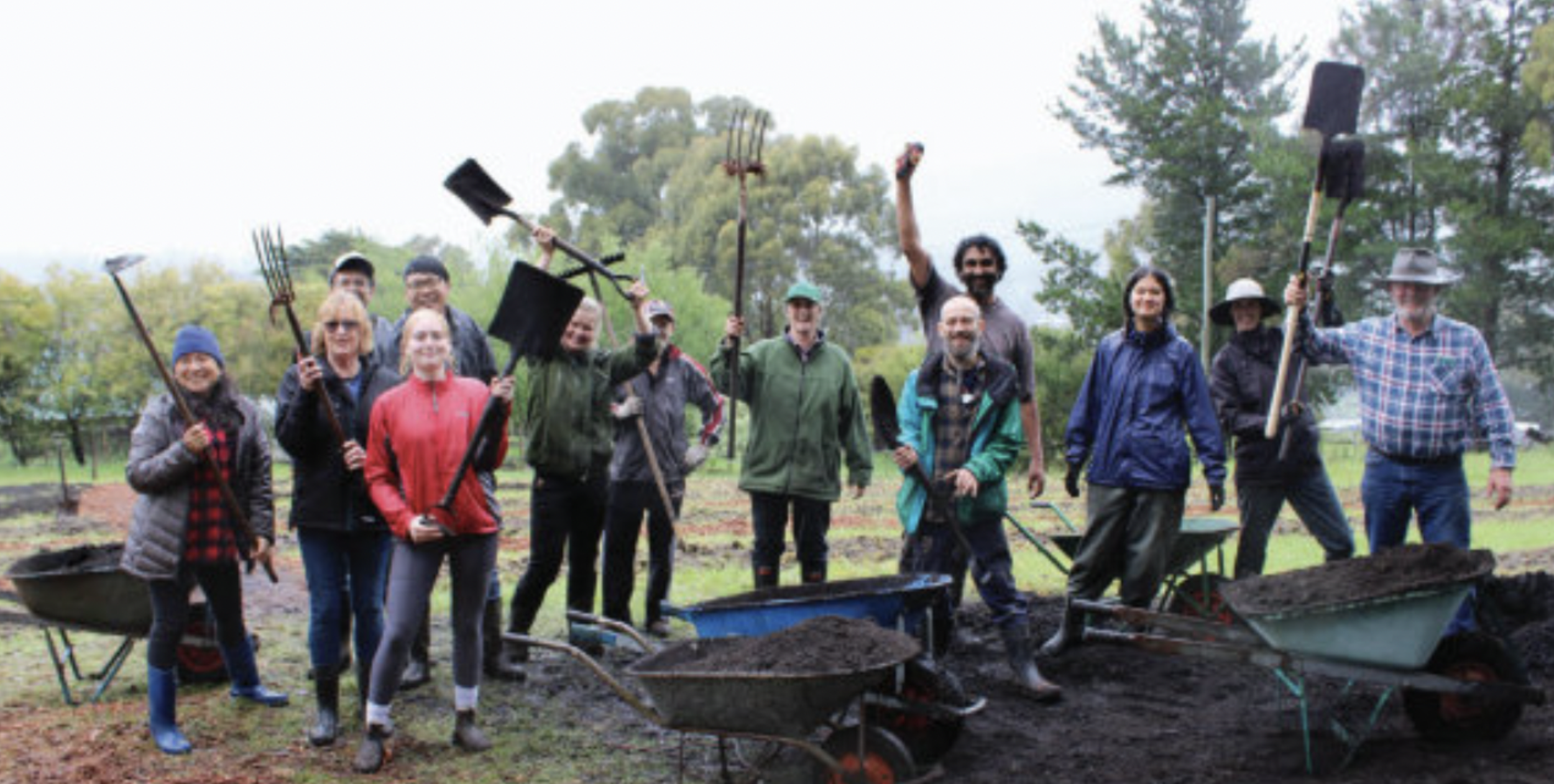
• occasional Landcare volunteer days
• writing and reflection through the Magical Musings journal
The farm remains a place where ideas continue to grow through observation, care for land & ecologies and community connection.
From this small place in the near Huon Valley, the work now reaches outward through Living Earth College and the growing community of people committed to strengthening local food systems around the world.
Con Viv!
Living Earth College emerged from years of grounded collaboration through Magical Farm Tasmania, community food initiatives, and wider partnerships including Local Futures. It was seeded in lived practice: growing food, hosting learning, activating community projects, and working across policy, education, and place based design. From this foundation, the College has evolved as a space for translating real world experience into shared capability. Its work connects small scale farming, community resilience, regenerative thinking, and practical systems change. The courses are designed to help people move from ideas and strategy into action, building the skills, confidence, and relationships needed to activate local food systems in meaningful, place responsive ways.
Local Futures and Magical Farm Film by Anna Brozek
Call or email “Dr Demeter”
📞 03 6239 6235 ✉️ info@magicalfarm.org A bio-dynamic & convivial herb farm 20 minutes from Hobart.

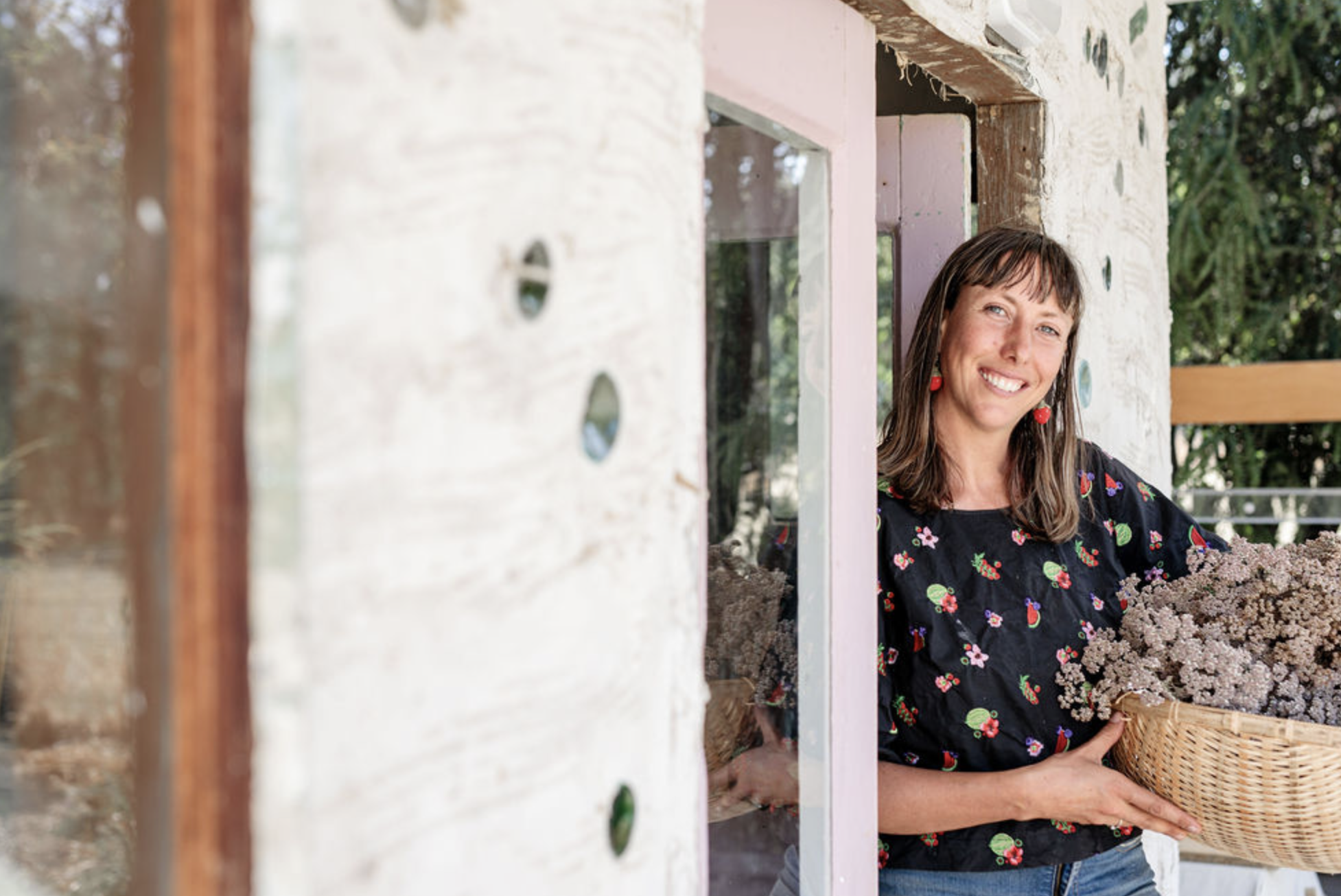
Yarrow in herb drying room at Magical Farm Photography by Ness Vandebourgh Photography.

About Dr Demeter
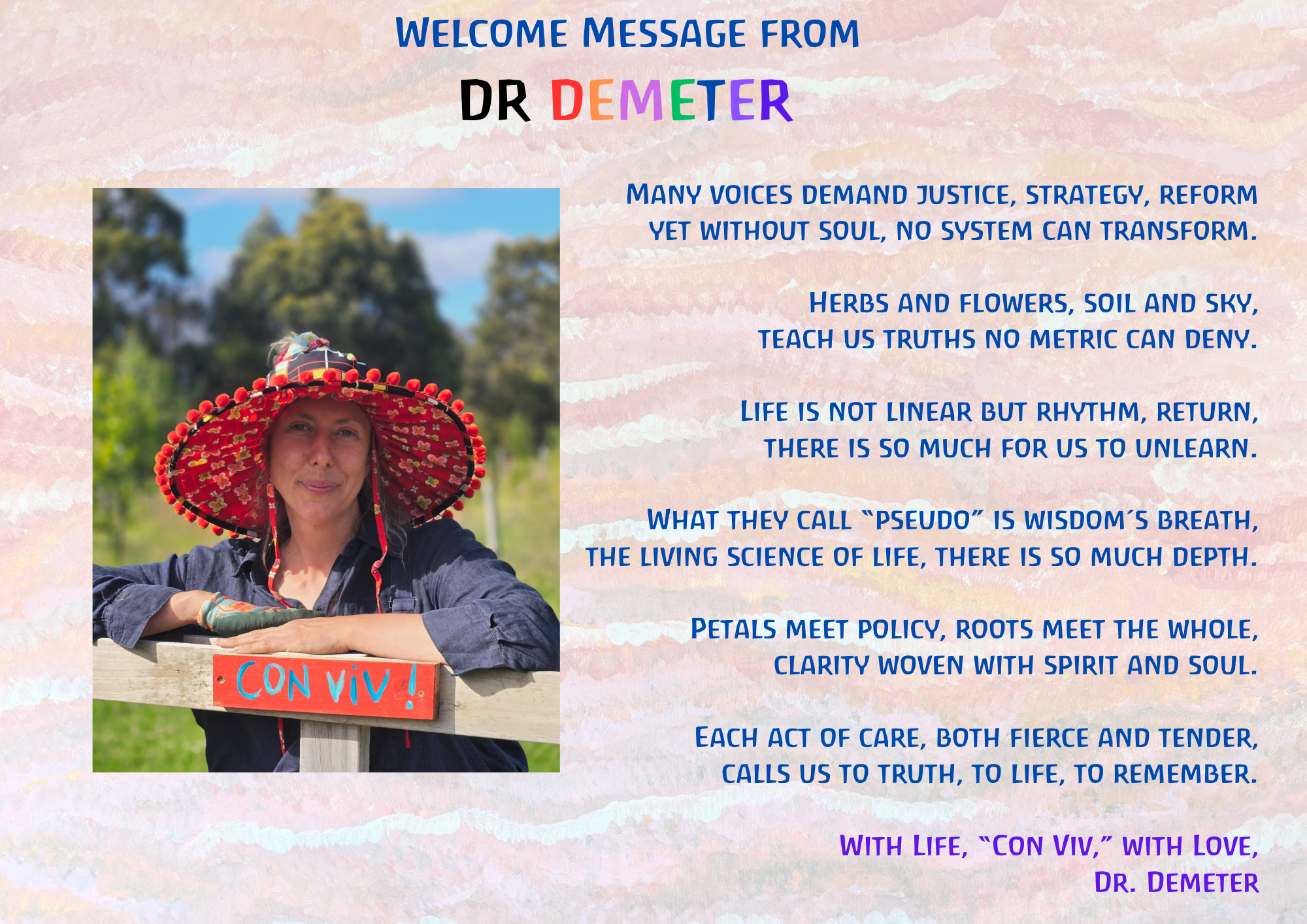
“Written from the wild thresholds of Magical Farm Tasmania, where Emily Samuels-Ballantyne tends the earth and the everyday and Dr. Demeter dreams, teaches, and remembers on behalf of the unseen.”
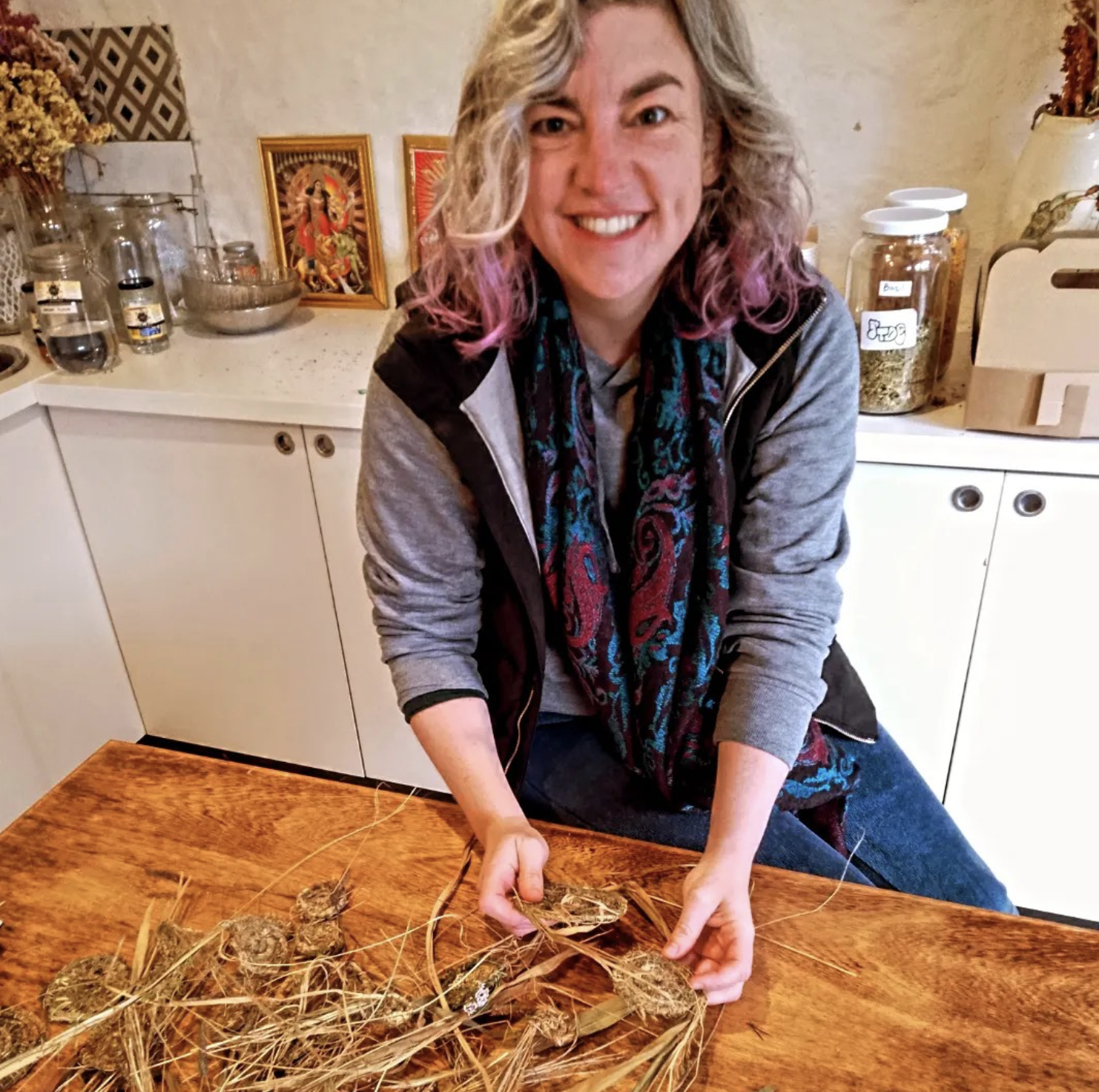
Dr Demeter (Emily Samuels Ballantyne) is an eco-philosopher, biodynamic farmer and regenerative systems designer. With a PhD in convivial food-system design and over two decades of hands-on experience, she has shaped Magical Farm Tasmania into a living studio for heart, head & hands expression: a field lab of regenerative practice and place-based learning. Drawing on knowledge from herbalism, living-systems theory, Jungian symbolism, First Nations wisdom, anthroposophical and biodynamic practice, Dr Demeter weaves together science, ritual, rhythm and community to nurture transformation, from inner landscapes to the soils beneath our feet.

By Ness Vandebourgh Photography
Soil & Soul: A Living Philosophy
Soil & Soul is our framework for healing, from the inner world to the broader ecosystem. It’s built on seven “paint brushes” of everyday life:
The 7 Brushstrokes of Magical Farm:
Wellbeing: Inner and communal healing; embodiment, care practices, and soul nourishment.
Biodiversity: Protection and celebration of ecological life forms, pollinators, soil microbiome, and native species.
Conviviality: Relational design, community rhythms, seasonal celebration, and co-creation.
Food & Biodynamics: Holistic regenerative food systems grounded in biodynamic principles and sacred agriculture.
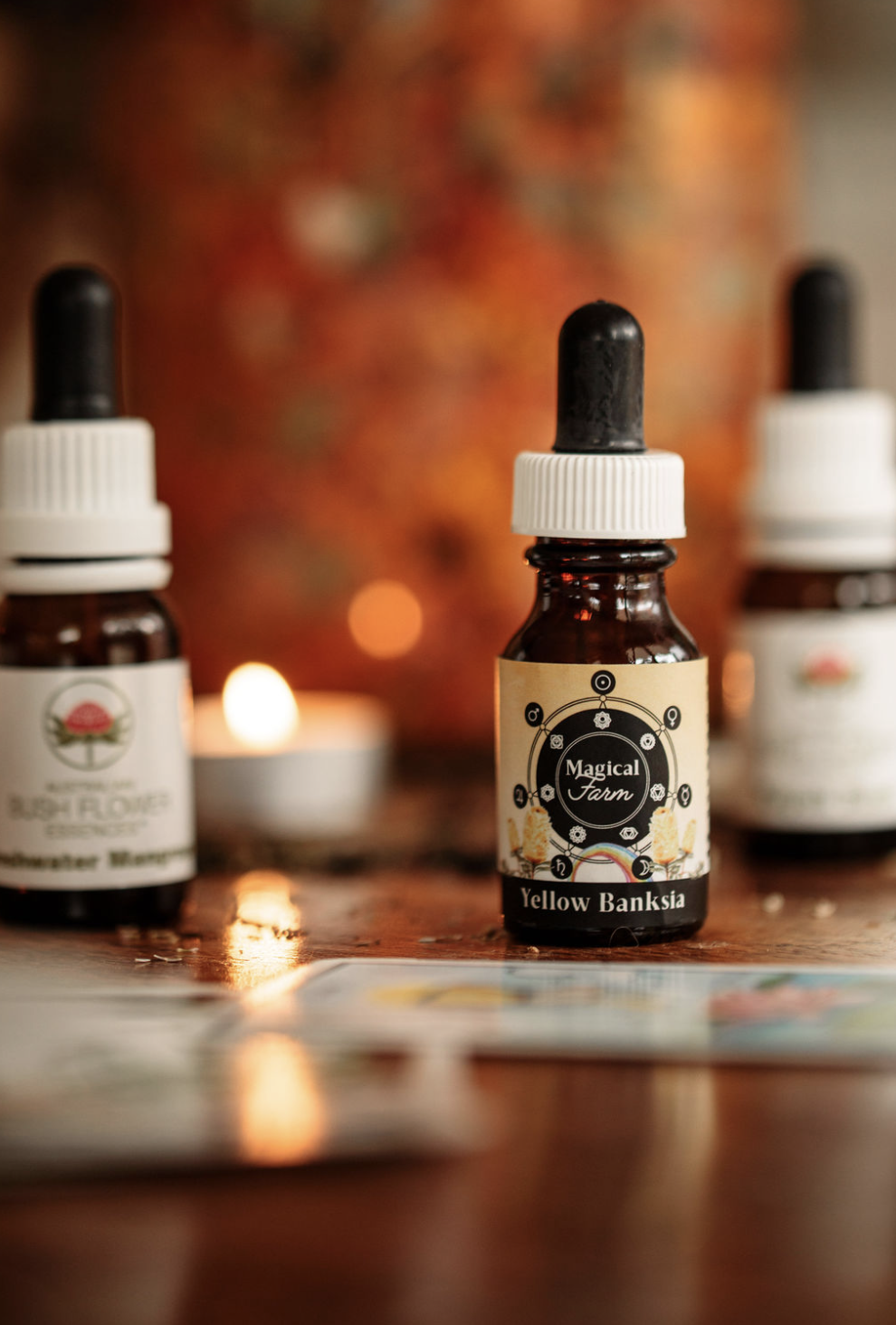
Herbalism: Plant wisdom, folk medicine, apothecary knowledge, and seasonal remedies.
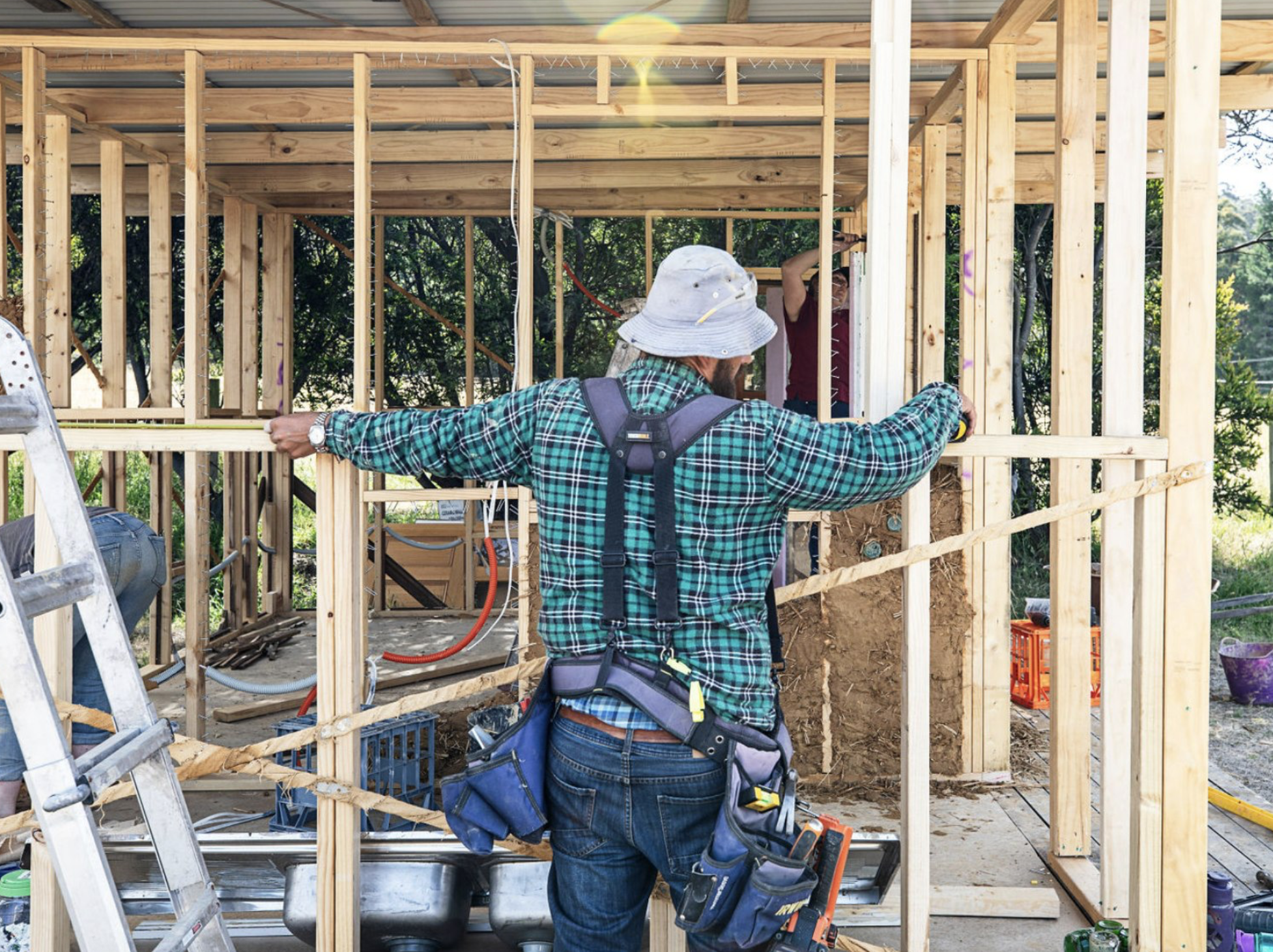
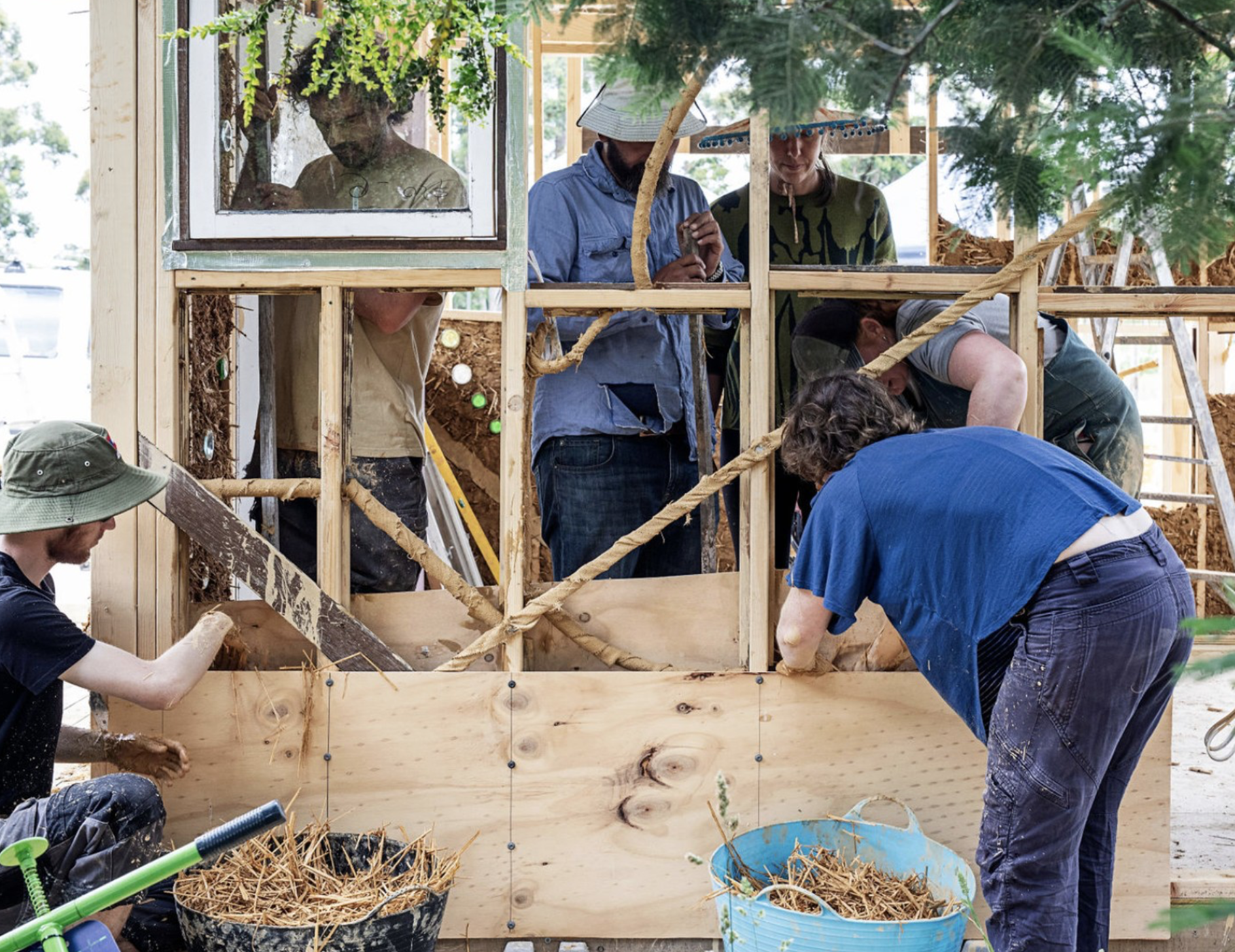
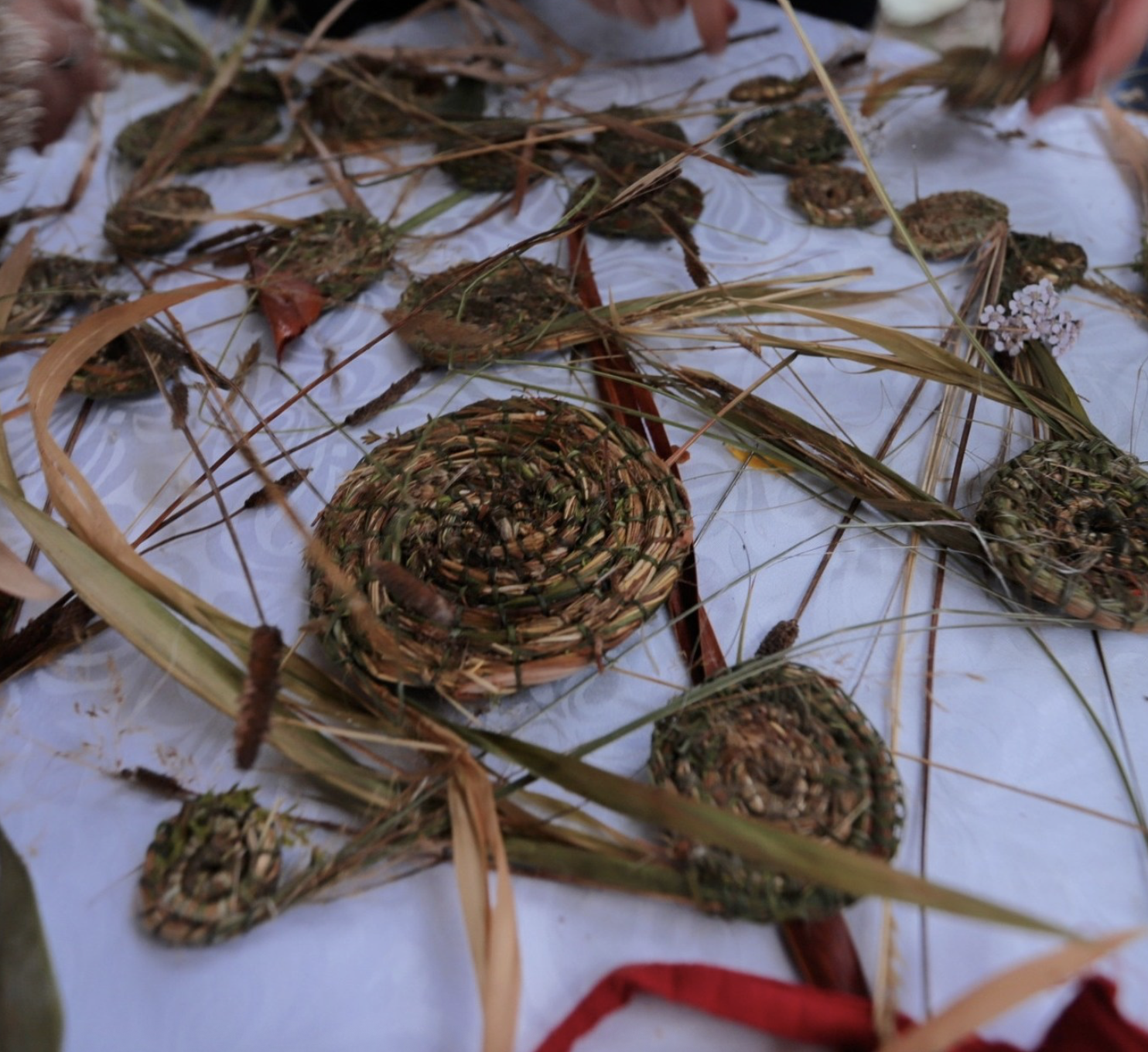
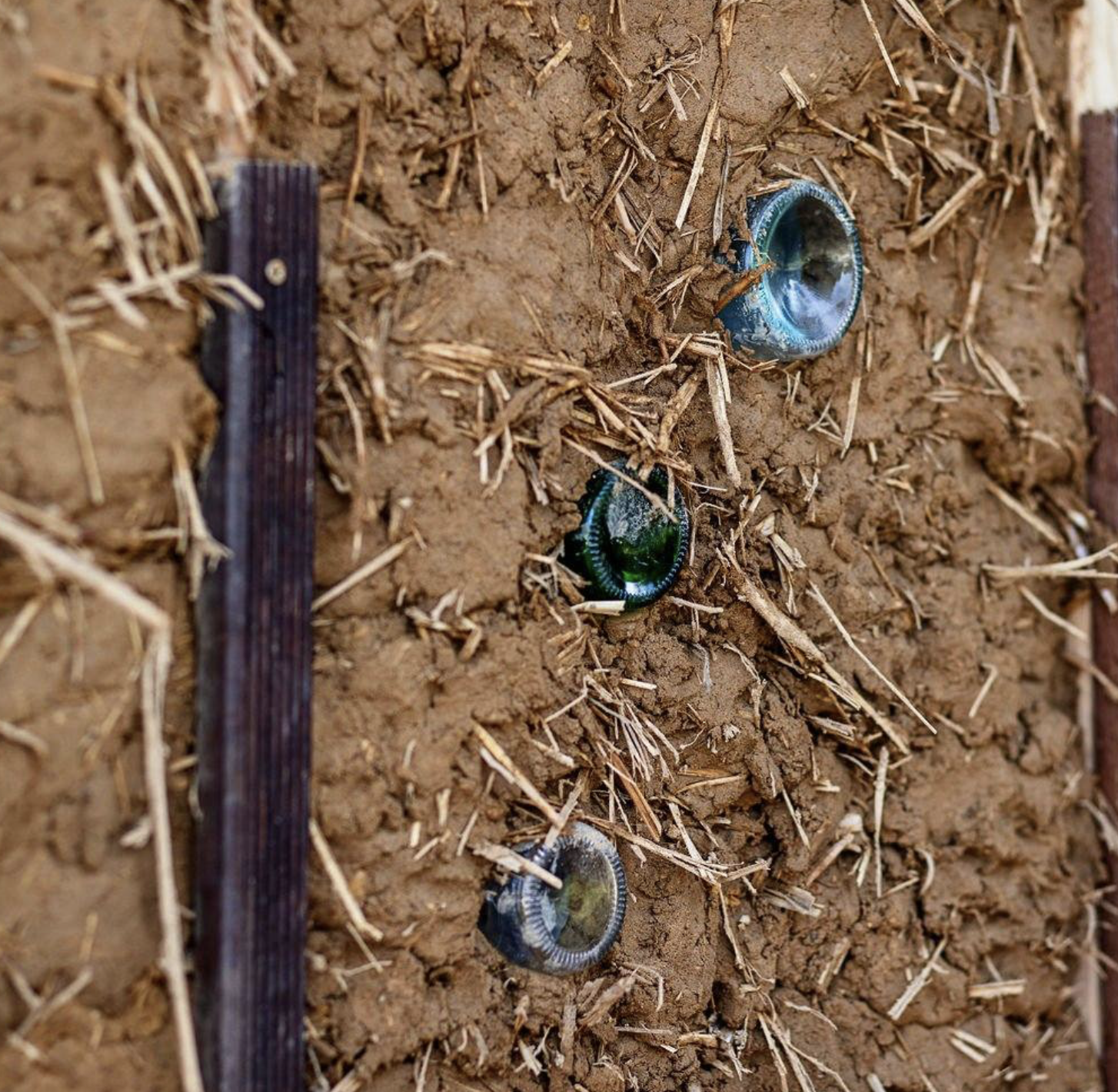
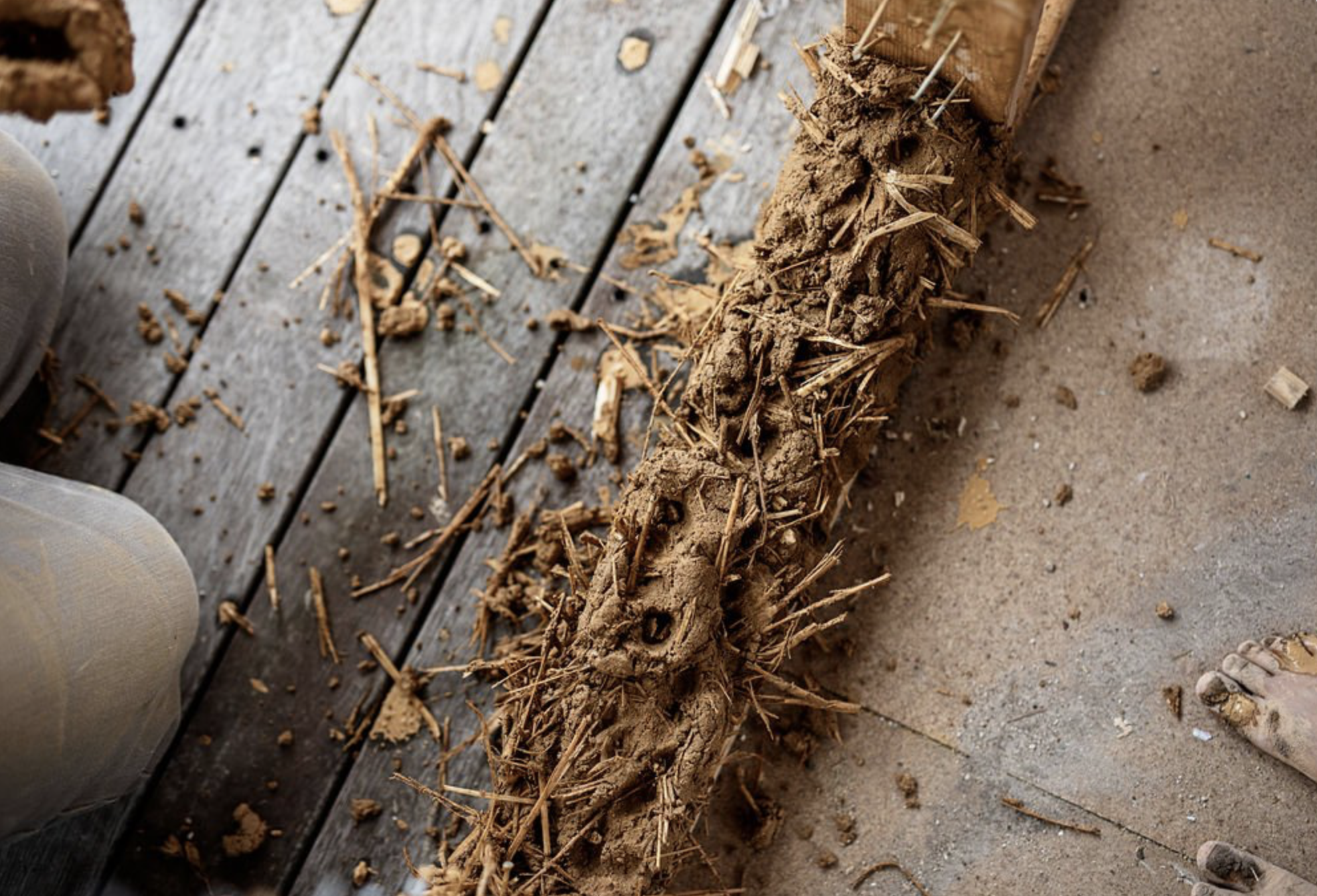
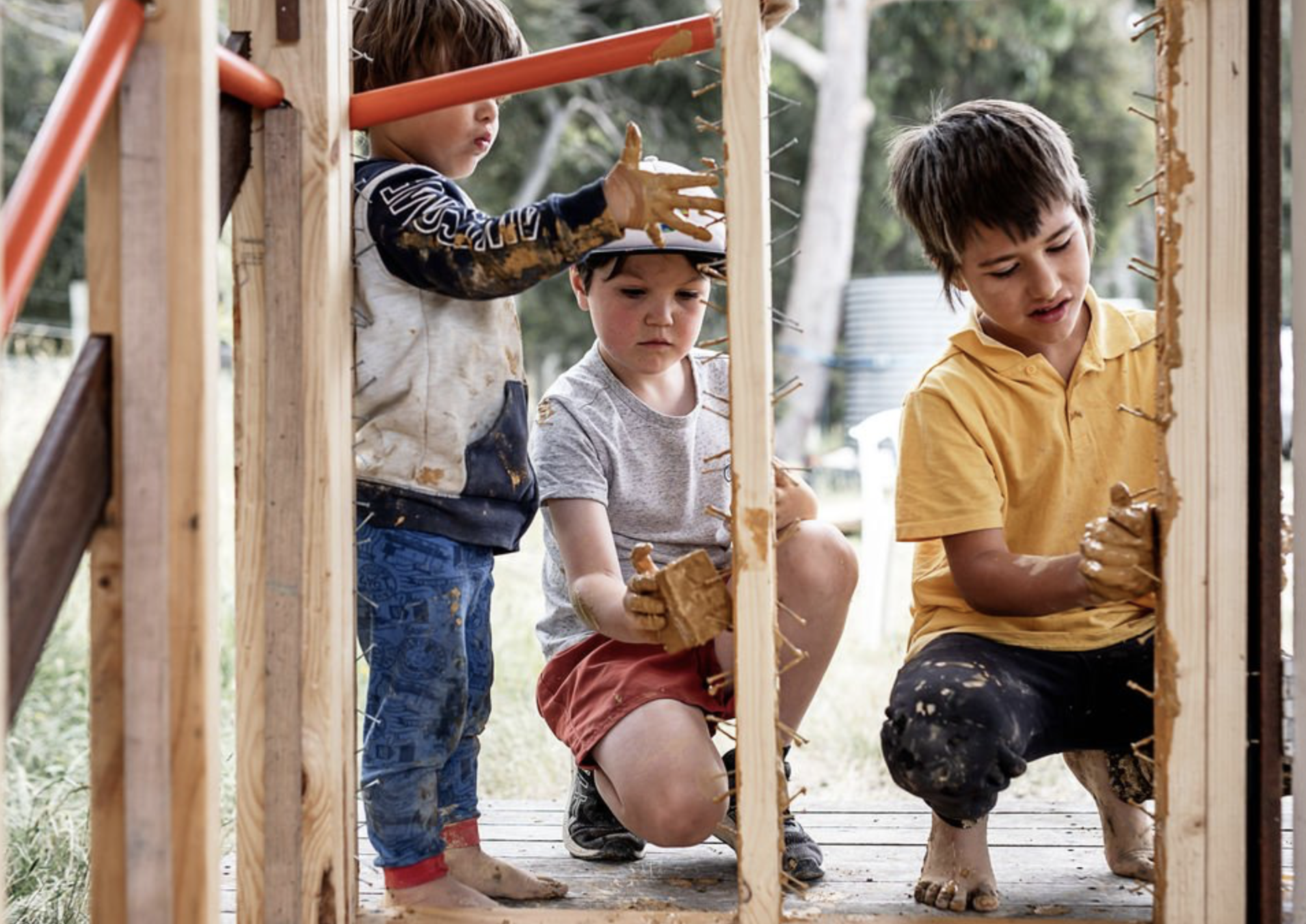
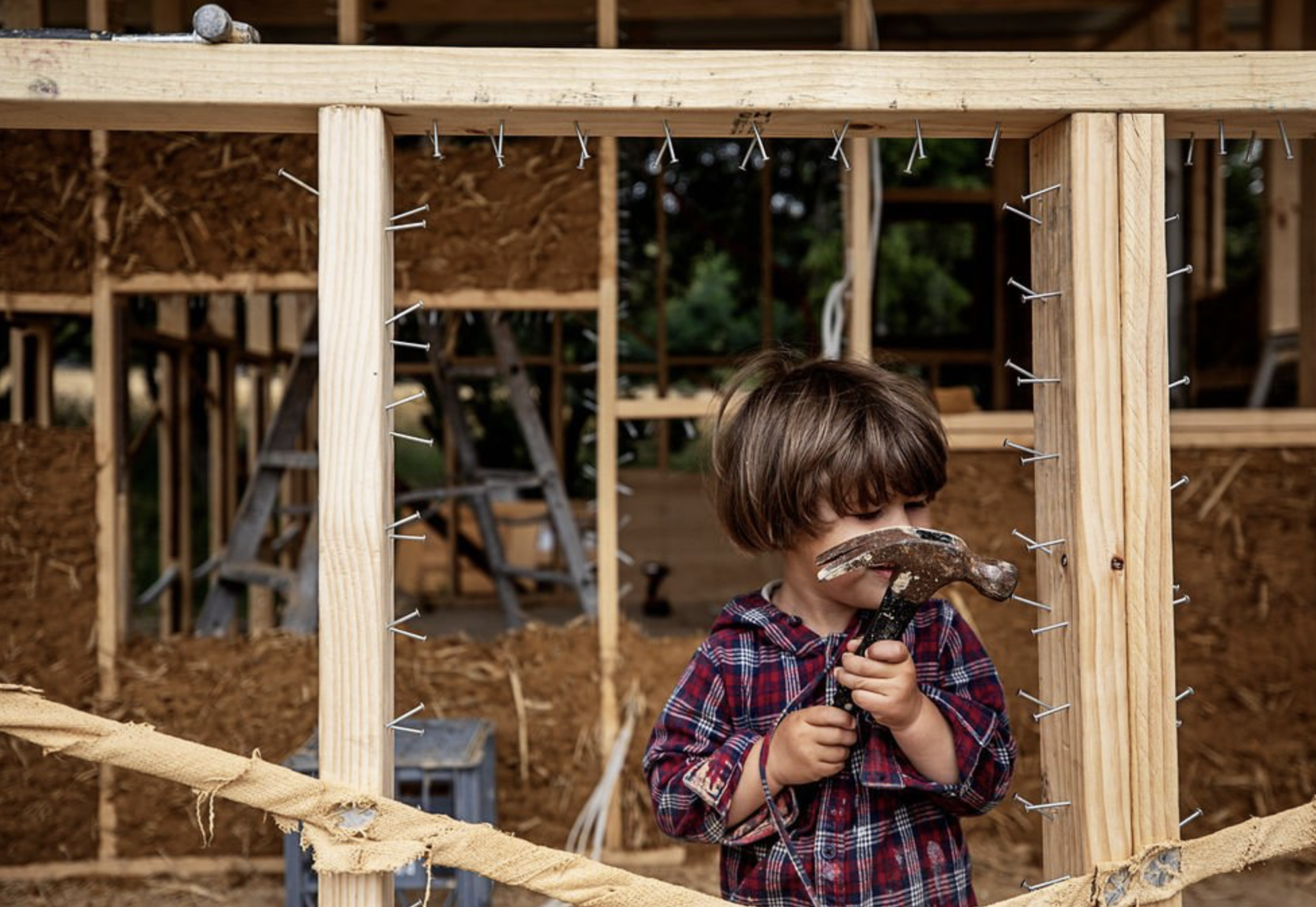
Natural Building & Crafts: Earthen construction, fibre arts, handcraft revival, and ancestral making.
Storytelling & Art: Mythopoetic expression, visual and literary arts, and sharing of living wisdom.
Living Earth College will now continue to teach and share wisdom on these brushstrokes.


Herb farm at Magical Farm Tasmania. Photography by Ness Vandebourgh Photography.

Magical Farm Tasmania
Making holistic lifestyles a reality.
A place for heart, head & hands expression.
Magical Farm just 20 minutes south of Hobart in Allens Rivulet, Tasmania welcomes you to our community. For media enquiries, please reach out to Dr Demeter:
📞 03 6239 6235 ✉️ info@magicalfarm.org
